Common Pests in the Puget Sound Region by Season
Living in the Puget Sound region comes with incredible scenery, lush greenery, and a mild Pacific Northwest climate. From Tacoma to Olympia, Lacey, and surrounding communities, homeowners enjoy beautiful forests, waterfront views, and year-round greenery.
Unfortunately, those same environmental factors also make our area highly attractive to pests.
Unlike regions with harsh winters or dry climates, the Pacific Northwest’s consistent moisture and moderate temperatures allow many pests to remain active throughout the year. While some species peak during certain seasons, most never fully disappear.
Understanding which pests are common in the Puget Sound area — and when they’re most active — can help homeowners stay ahead of infestations before they grow into bigger problems.
🌧️ Spring: Ant Season Begins
As temperatures rise and rain remains steady across Western Washington, spring becomes prime time for ant activity.
Most Common Spring Pests in the Puget Sound Region:
Odorous house ants
Carpenter ants
Pavement ants
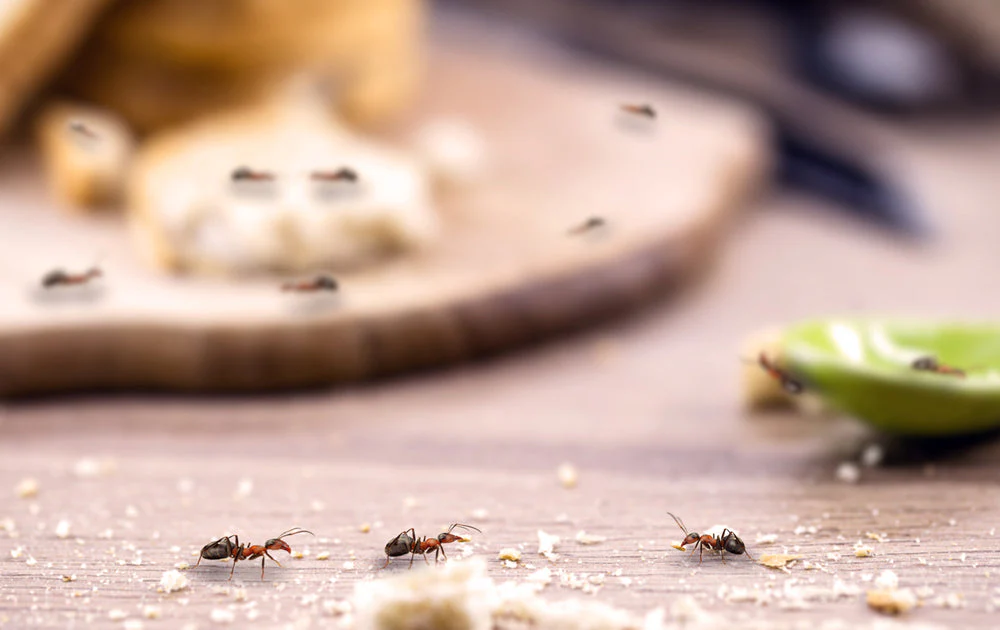
Ant colonies expand rapidly in spring. Increased moisture softens wood and soil, creating ideal nesting conditions. Homeowners in Tacoma, Olympia, Lacey, and nearby communities often notice trails in kitchens, bathrooms, and along window sills.
Carpenter ants are especially concerning because they tunnel through damp wood. The region’s crawl spaces and older wood-framed homes create perfect environments for them to establish nests.
What to watch for:
Ant trails indoors
Small piles of wood shavings
Increased activity after rainfall
☀️ Summer: Peak Activity for Insects
Summer in the Puget Sound region brings slightly drier weather, but pests don’t disappear — they multiply.
Common Summer Pests:
Wasps and yellow jackets
Spiders
Flies
Ants (continued activity)
Warmer temperatures accelerate reproduction cycles. Wasps begin building nests under eaves, decks, and rooflines. Spiders become more visible as insect populations grow.
Homes surrounded by trees, wooded areas, or heavy landscaping — common throughout the Puget Sound — are especially vulnerable during this time.
What to watch for:
Wasps flying in and out of roof edges
Spider webs forming around windows
Increased insect activity around exterior lighting
🍂 Fall: Rodents Start Moving Indoors
Fall is one of the most critical seasons for pest prevention across Western Washington.
As temperatures cool and rainfall increases, rodents begin searching for warm shelter. Homes throughout Tacoma, Olympia, Lacey, and the surrounding Puget Sound communities become prime targets.
Common Fall Pests:
Mice
Rats
Spiders
Overwintering insects
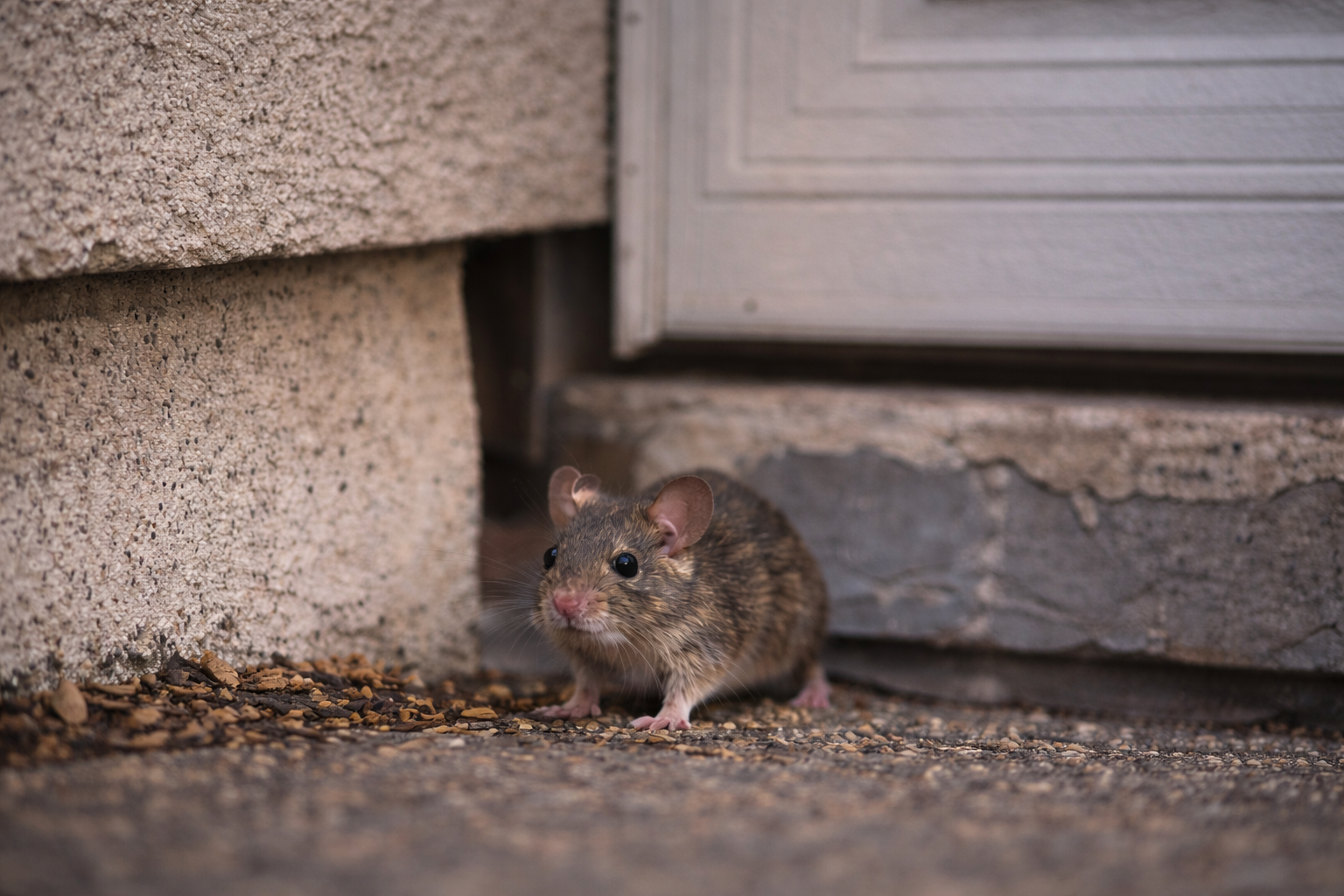
Rodents can squeeze through tiny gaps in foundations, crawl space vents, and rooflines. Once inside, they nest in insulation, wall voids, and attics.
Because winters in the Puget Sound region are relatively mild, rodents often remain active throughout the entire season.
What to watch for:
Scratching sounds in walls or ceilings
Droppings in storage areas
Gnaw marks on food packaging
❄️ Winter: Hidden Pest Activity
Many homeowners assume winter eliminates pest problems — but in the Pacific Northwest, that’s rarely the case.
While outdoor activity slows, indoor infestations continue.
Common Winter Pests:
Rodents
Carpenter ants (indoors)
Spiders
Silverfish
Crawl spaces throughout the Puget Sound region often remain damp during winter, especially after heavy rainfall. Moisture buildup supports insect populations, which in turn attract spiders.
Rodents stay active indoors where warmth and food are available.
What to watch for:
Musty odors from crawl spaces
Visible condensation
Pest activity near heat sources
Why the Puget Sound Region Experiences Year-Round Pest Pressure
Several local factors make pest problems persistent across Tacoma, Olympia, Lacey, and surrounding communities:
1. Constant Moisture
Rainfall and high humidity create ideal nesting environments.
2. Crawl Space Construction
Many homes in Western Washington have crawl spaces that trap moisture and provide shelter.
3. Wood-Framed Homes
Carpenter ants thrive in damp wood conditions.
4. Mild Winters
Pests rarely experience true die-off periods.
Because these conditions remain consistent across the Puget Sound region, pest activity cycles continuously throughout the year.

Prevention Tips for Puget Sound Homeowners
While pest pressure is common in Western Washington, proactive steps can significantly reduce risk:
Seal cracks around foundations and utility lines
Improve drainage away from the home
Keep crawl spaces dry and properly ventilated
Store food in airtight containers
Trim vegetation away from siding
Schedule seasonal inspections
Prevention is far more effective — and less expensive — than dealing with a full infestation.
Professional Pest Protection for the Puget Sound Region
Effective pest control in the Pacific Northwest requires understanding how moisture, structure, and seasonal shifts impact pest behavior.
At All-Shield Pest Control, we tailor pest management to the Puget Sound's unique conditions. Instead of one-time treatments, we focus on long-term prevention strategies designed for Pacific Northwest homes.
Instead of relying on one-time treatments, long-term protection focuses on:
Detailed inspections
Pest identification
Moisture assessment
Targeted treatments
Entry point exclusion
Seasonal maintenance plans
By understanding how pests behave across Tacoma, Olympia, Lacey, and surrounding Puget Sound communities, homeowners can stay ahead of infestations before they escalate.

Stay Ahead of Seasonal Pest Cycles in the Pacific Northwest
Pest problems in the Puget Sound region aren’t random. They follow predictable seasonal patterns driven by weather, moisture, and housing structure.
Knowing what to expect — and when to expect it — puts you in control.
If you’re noticing increased pest activity or want to prevent problems before the next seasonal shift, a professional inspection can help identify risks early.
All-Shield Pest Control is here to help PNW homeowners stay protected — season after season.
