
How Moisture in Your Crawl Space Attracts Pests in the Pacific Northwest
In the Pacific Northwest, moisture is a constant part of the environment. Frequent rain, high humidity, and damp soil conditions make homes in Tacoma, Olympia, and surrounding areas especially vulnerable to crawl space issues.
What many homeowners don’t realize is that moisture in a crawl space doesn’t just affect the structure of the home — it also creates the perfect environment for pests.
If you’re dealing with recurring pest problems, the source may be right beneath your feet.
Why Crawl Spaces in the Pacific Northwest Stay Damp
Crawl spaces in Western Washington are particularly prone to moisture buildup due to several environmental factors:
Frequent rainfall throughout the year
Poor drainage around foundations
High groundwater levels
Limited airflow in enclosed crawl spaces
Even well-built homes can develop moisture problems over time. Water can seep through the soil, condensation can form on surfaces, and humidity can linger in enclosed areas.
Without proper moisture control, crawl spaces remain damp for long periods — creating ideal conditions for pests.
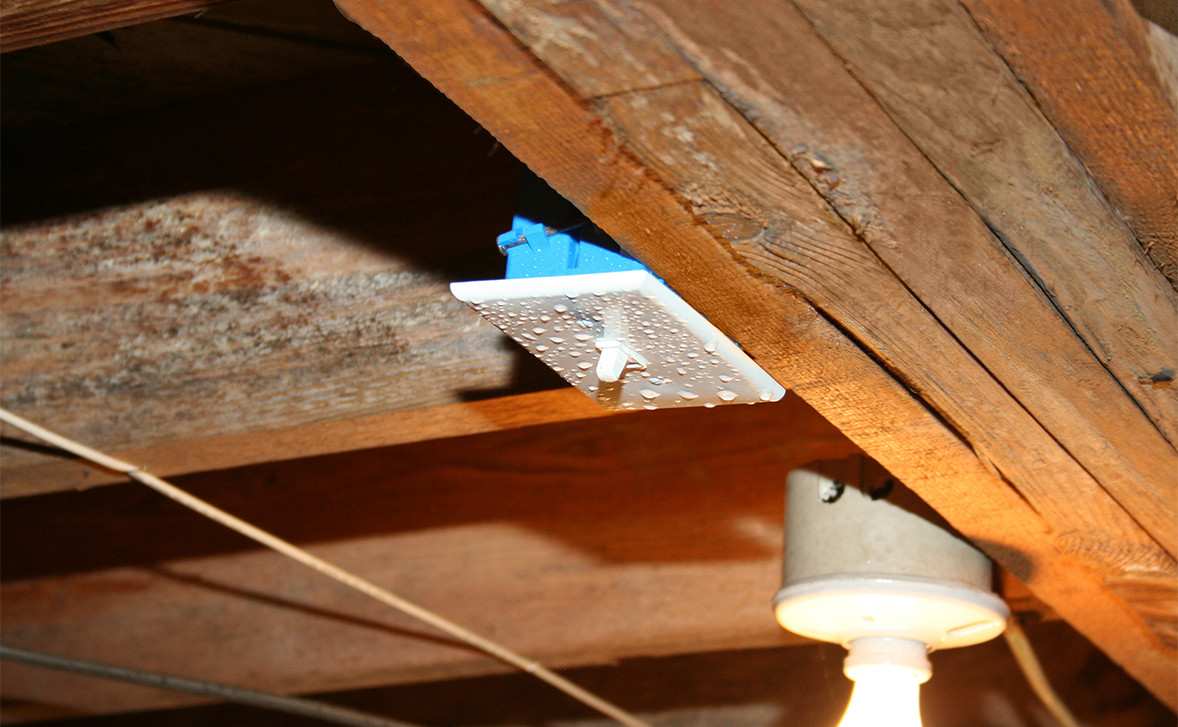
Why Moisture Attracts Pests
Pests are constantly searching for environments that provide three things: water, shelter, and food.
A damp crawl space provides all three.
Moisture attracts pests in several ways:
It provides a reliable water source
It softens wood, making it easier for insects to nest
It creates a stable, protected environment
It supports mold and organic material that some pests feed on
In the Pacific Northwest, where moisture is abundant, crawl spaces often become a central hub for pest activity.
Common Pests Attracted to Moist Crawl Spaces
Several types of pests thrive in damp crawl spaces:
Rodents (Mice and Rats)
Rodents seek out crawl spaces for warmth and shelter. Once inside, they can nest in insulation and move into walls.
Carpenter Ants
These ants are attracted to moist or decaying wood. Crawl spaces with damp beams are ideal nesting locations.
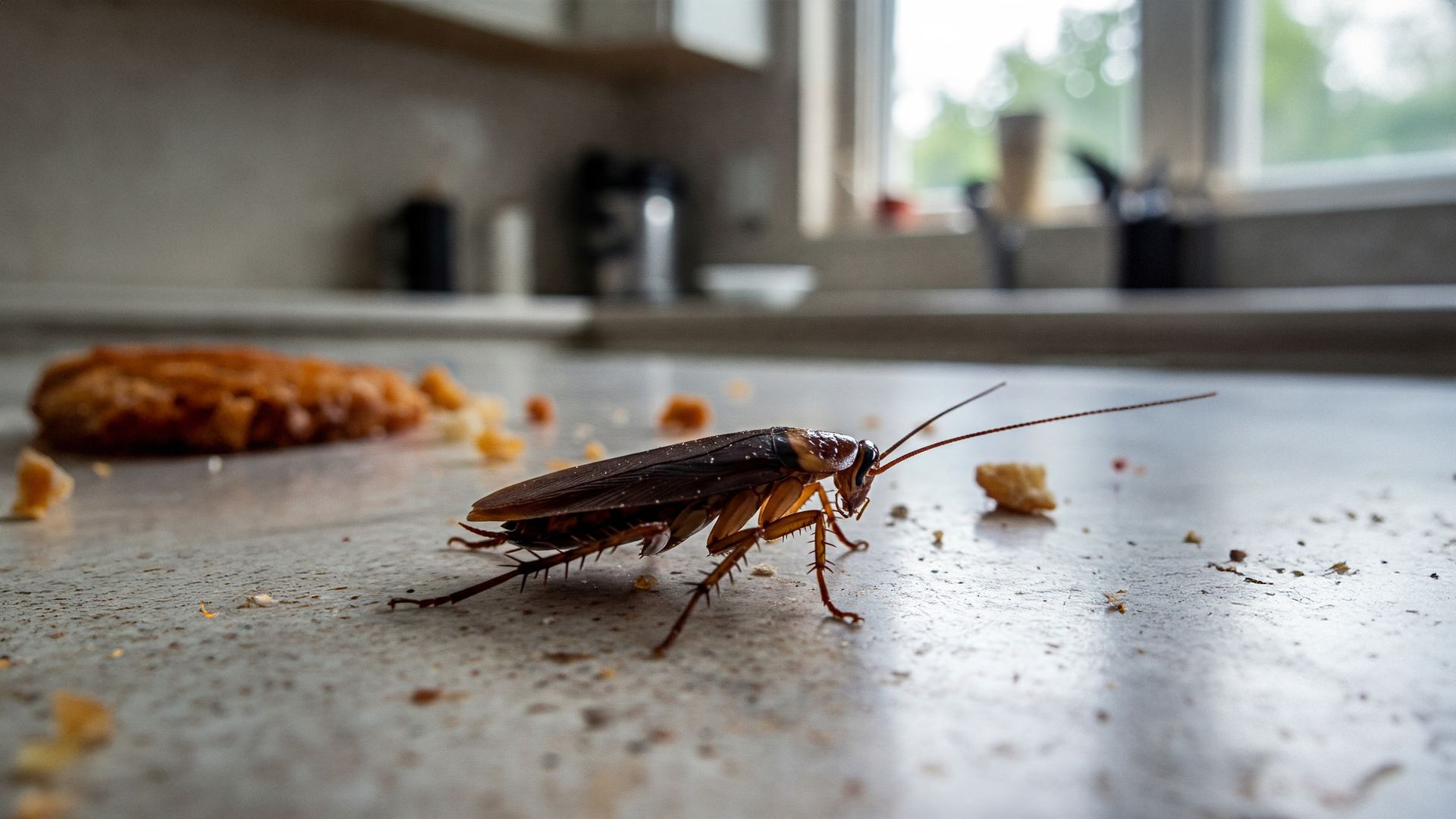
Cockroaches
Cockroaches thrive in humid environments and often live in crawl spaces before entering kitchens and bathrooms.
Termites
Moisture-damaged wood is highly attractive to termites, which can cause significant structural damage over time.
How Crawl Space Moisture Leads to Indoor Infestations
Once pests establish themselves in a crawl space, it’s only a matter of time before they move into the home.
Crawl spaces connect directly to:
Wall cavities
Floor systems
Plumbing and utility openings
Rodents and insects can travel upward through these pathways, entering kitchens, living rooms, and other areas.
This is why many homeowners see pests indoors without realizing the infestation started below the home.
Signs Your Crawl Space May Be Causing Pest Problems
You may have a moisture-related pest issue if you notice:
Musty odors inside the home
Increased humidity indoors
Rodent droppings along walls or baseboards
Frequent insect sightings
Recurring infestations despite treatment
These signs often point to an underlying crawl space issue rather than a surface-level problem.

How to Reduce Moisture and Prevent Pests
Addressing moisture is one of the most effective ways to prevent pest infestations.
Key steps include:
Installing a vapor barrier
Improving drainage around the foundation
Sealing crawl space vents and entry points
Using a dehumidifier when necessary
Repairing leaks and water intrusion
By reducing moisture, you remove one of the primary factors that attract pests.
Why Professional Inspections Matter
Crawl spaces are difficult to inspect without proper equipment and experience.
A professional pest control inspection can:
Identify moisture sources
Locate pest entry points
Detect early signs of infestation
Recommend long-term solutions
Addressing both moisture and pest activity at the same time is key to preventing recurring issues.
Protecting Your Tacoma Home from Crawl Space Pest Problems
Moisture is one of the most overlooked causes of pest infestations in the Pacific Northwest.
When crawl spaces remain damp, they create the perfect environment for pests to live, nest, and multiply — often without being noticed.
By controlling moisture and sealing entry points, homeowners can significantly reduce the risk of infestations and protect their home long-term.
If you’re experiencing recurring pest problems or suspect moisture issues beneath your home, addressing the root cause early can help prevent costly damage and ongoing frustration.
