
Hidden Pest Problems in Tacoma: Areas Homeowners Overlook
Most homeowners pay attention to the areas of their homes they use every day. Kitchens are cleaned, living spaces are maintained, and visible exterior surfaces receive occasional attention. However, some of the areas that matter most for pest prevention are the ones homeowners rarely visit.
In Tacoma and throughout the Puget Sound region, garages, crawl spaces, attics, storage areas, and utility spaces can provide conditions that allow pest activity to develop unnoticed.
Understanding what happens in these overlooked spaces can help homeowners recognize potential concerns before they become more noticeable.
Why Less-Visited Areas Can Attract Pest Activity
Pests often seek environments that provide shelter, protection, and access to resources. Areas with limited human activity may offer these conditions, especially when they contain stored materials, small openings, or moisture.
Unlike kitchens or living rooms, less-visited spaces may go weeks or months without a thorough inspection.
During that time, small changes can occur without attracting attention.
These might include:
Debris collecting along exterior walls
Small gaps developing around doors or utility lines
Moisture accumulating in poorly ventilated spaces
Stored belongings creating sheltered hiding places
Early signs of rodent or insect activity
Not every overlooked area will develop a pest problem. However, these conditions can make it easier for activity to remain undetected.
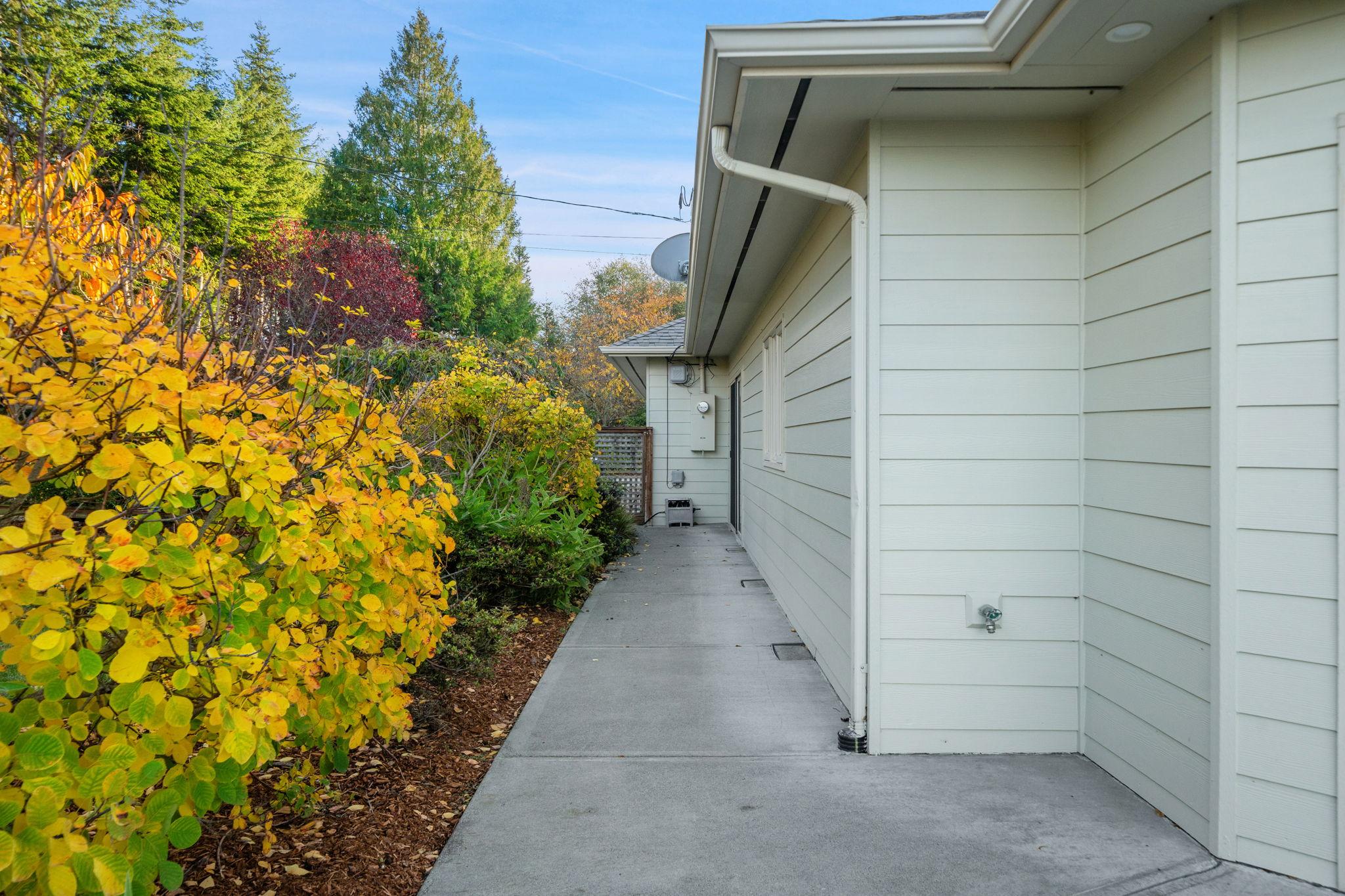
Garages Often Contain More Than Homeowners Realize
Garages serve many purposes beyond parking vehicles. They frequently become storage spaces for seasonal decorations, gardening equipment, cardboard boxes, and household supplies.
These items can create sheltered areas that are difficult to inspect.
In Tacoma, garage doors and side entrances also experience repeated exposure to rain, changing temperatures, and everyday wear.
Over time, weatherstripping may deteriorate, door thresholds can develop gaps, and openings around utility connections may become more noticeable.
Rodents and certain insects can take advantage of accessible openings.
Keeping stored belongings organized and occasionally checking the garage's perimeter can help homeowners recognize potential entry points.
Crawl Spaces Can Hide Changing Conditions Beneath Your Home
Crawl spaces are among the least frequently inspected areas of many Pacific Northwest homes.
Because they are located beneath the living space, changes can develop without affecting the home's visible appearance.
Tacoma's wet climate can contribute to moisture around foundations and beneath homes, particularly where drainage or moisture control is inadequate.
Damp conditions may attract moisture-loving insects, while accessible openings can allow rodents and other pests to enter.
Homeowners should pay attention to potential warning signs such as:
Damaged or displaced crawl space vent covers
Gaps around access doors
Unusual odors near floor openings
Visible moisture around the foundation
Evidence of damaged insulation
A crawl space does not need to be visibly flooded to have conditions worth investigating.
Regular professional inspections can help identify concerns in areas that are difficult or unsafe to access.
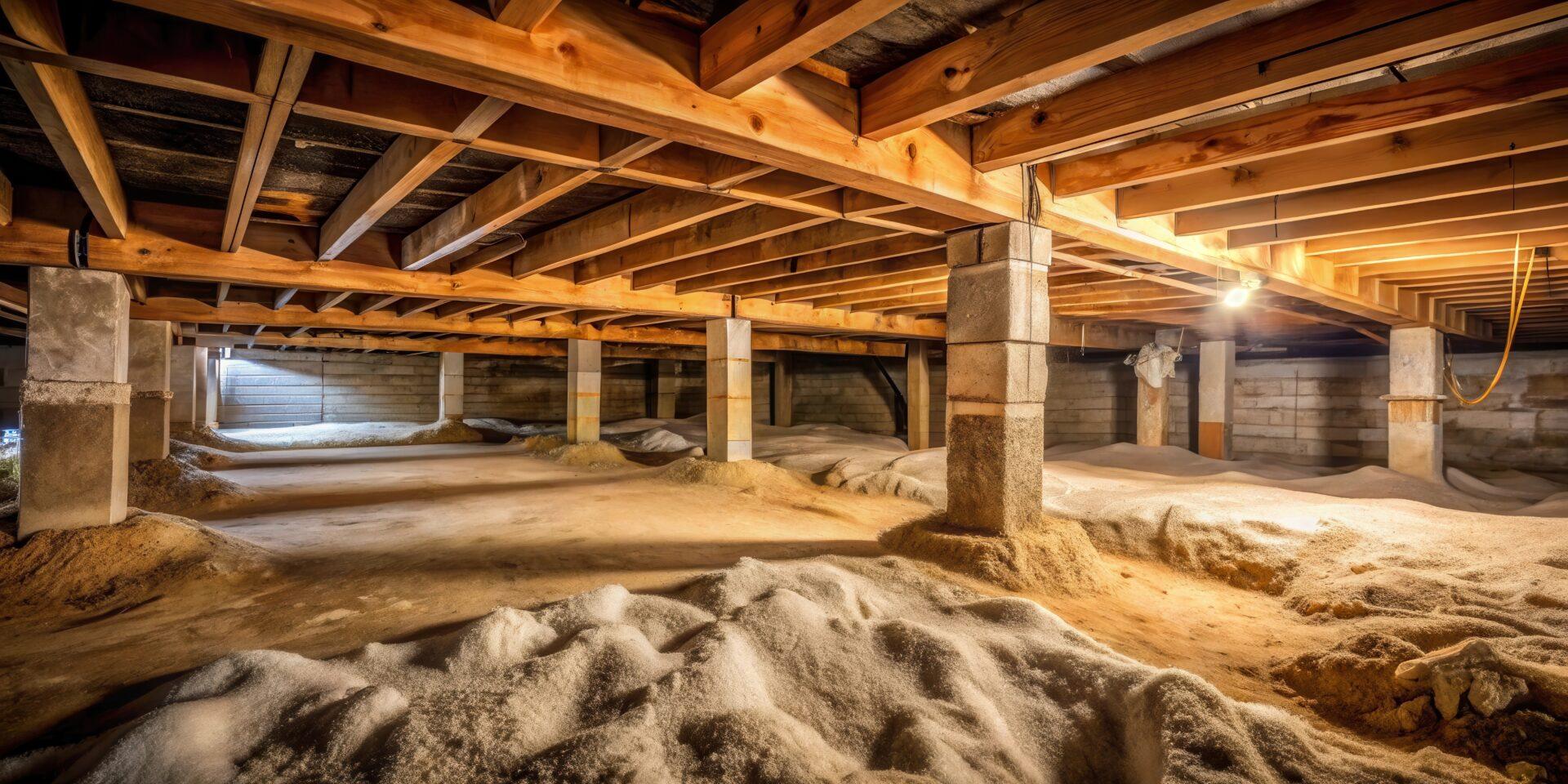
Attics Can Provide Shelter Without Obvious Warning Signs
Attics are another part of the home that homeowners may rarely enter.
They often contain insulation, structural framing, ventilation openings, and utility connections. Depending on the home's condition, these features can create opportunities for pest activity.
Rodents may enter through gaps along rooflines, damaged vents, or openings around exterior materials.
Once inside, activity may remain unnoticed until homeowners hear scratching sounds or discover disturbed insulation.
Some signs worth monitoring include unusual noises above ceilings, droppings, damaged materials, or unexpected odors.
Because attics can contain electrical wiring and difficult-to-reach spaces, suspected infestations are best evaluated by qualified professionals.
Storage Rooms Can Create Hidden Shelter
A clean storage room may still contain conditions that make pest activity difficult to notice.
Cardboard boxes, stacked containers, unused furniture, and belongings placed directly against walls can limit visibility.
These arrangements may provide sheltered spaces for rodents or insects.
Storage areas are easier to monitor when homeowners:
Use durable storage containers where practical
Keep belongings organized and accessible
Avoid storing food in unsecured containers
Leave space along walls for visual inspections
Check occasionally for droppings or damaged packaging
The goal is not to eliminate household storage. It is to make the space easier to inspect and maintain.
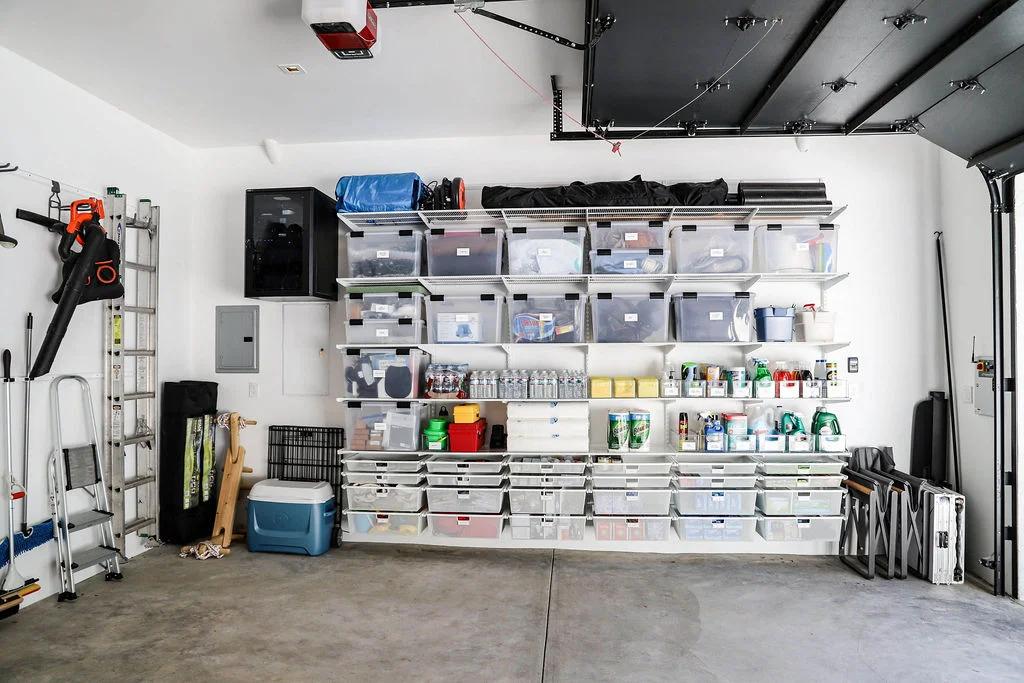
Utility Areas Can Contain Small, Overlooked Openings
Utility rooms, laundry spaces, and areas around plumbing connections often contain openings where pipes, wires, or ventilation ducts pass through walls.
These penetrations are necessary for household systems, but gaps around them can sometimes create potential pest entry points.
In older homes, materials surrounding these openings may deteriorate over time.
Even newer homes can develop gaps as exterior sealants age or components shift.
Checking visible openings around plumbing, dryer vents, and utility connections can help homeowners recognize areas that may need attention.
Any repairs should use materials appropriate for the specific utility system, particularly around electrical equipment and ventilation components.
The Exterior Can Reveal Problems Before They Reach Indoors
Not every overlooked space is inside the home.
Some of the most important areas to inspect are located along the exterior perimeter, especially where landscaping, siding, and foundation materials meet.
In Tacoma, fallen leaves, wet soil, and dense vegetation can make these areas difficult to examine during fall and winter.
Homeowners may overlook:
Gaps beneath exterior doors
Damaged vent screens
Openings around exterior pipes
Vegetation growing against siding
Debris collecting near foundation corners
These conditions do not automatically indicate an infestation, but they can make certain areas more attractive or accessible to pests.
Maintaining visibility around the home's perimeter makes potential concerns easier to identify.
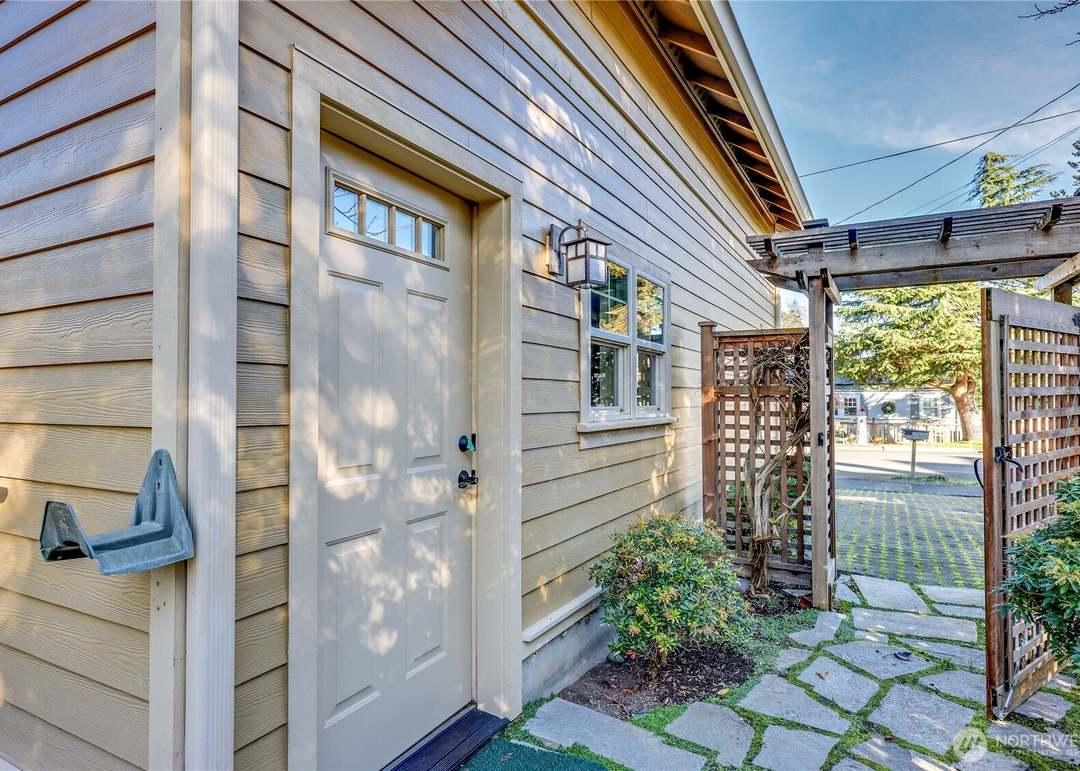
Early Warning Signs Are Often Subtle
Pest activity does not always begin with obvious damage or frequent sightings.
In many cases, the earliest signs are small enough to go unnoticed during normal household routines.
Homeowners might discover droppings behind stored belongings, scratching sounds near walls, gnaw marks on packaging, or disturbed insulation.
Other warning signs may include insect activity around moisture-prone areas or nesting materials in sheltered locations.
Recognizing these changes early can help homeowners determine whether further investigation is necessary.
However, signs should be evaluated carefully because not every unusual sound, stain, or damaged material is caused by pests.
Regular Inspections Make Overlooked Areas Easier to Maintain
Pest prevention does not require homeowners to inspect every hidden area of their property every day.
Instead, occasional attention to less-visited spaces can make a meaningful difference.
A practical approach includes checking accessible garage corners, examining exterior doors, keeping storage areas organized, and monitoring visible foundation openings.
Seasonal inspections are especially useful in the Puget Sound region, where rain, moisture, and changing temperatures can affect exterior materials throughout the year.
Areas such as attics and crawl spaces may require professional assistance when access is limited or safety concerns are present.
The most important goal is to recognize changing conditions before they develop into larger maintenance or pest concerns.
Pest Prevention Starts With Understanding the Entire Home
A home is more than its visible living spaces.
Garages, crawl spaces, attics, utility areas, and exterior transitions all contribute to the property's overall condition.
When these areas receive little attention, small changes can remain unnoticed for extended periods.
By understanding how pests use sheltered spaces and where potential entry points may develop, Tacoma homeowners can take a more complete approach to protecting their properties.
At All-Shield Pest Control, we understand that effective pest prevention involves looking beyond the obvious areas of a home and identifying conditions that may contribute to pest activity.
Pay Attention to the Spaces You Rarely See
Some of the most important areas for pest prevention are also the easiest to overlook.
A garage corner, an attic opening, a crawl space entrance, or a gap around a utility pipe may seem insignificant during everyday routines.
However, these small details can influence how easily pests access sheltered areas and how long their activity remains unnoticed.
For homeowners throughout Tacoma and the Puget Sound region, paying attention to less-visited spaces is a practical step toward maintaining a healthier, better-protected home.
Sometimes the best place to begin looking for pest problems is somewhere you haven't looked in a while.
