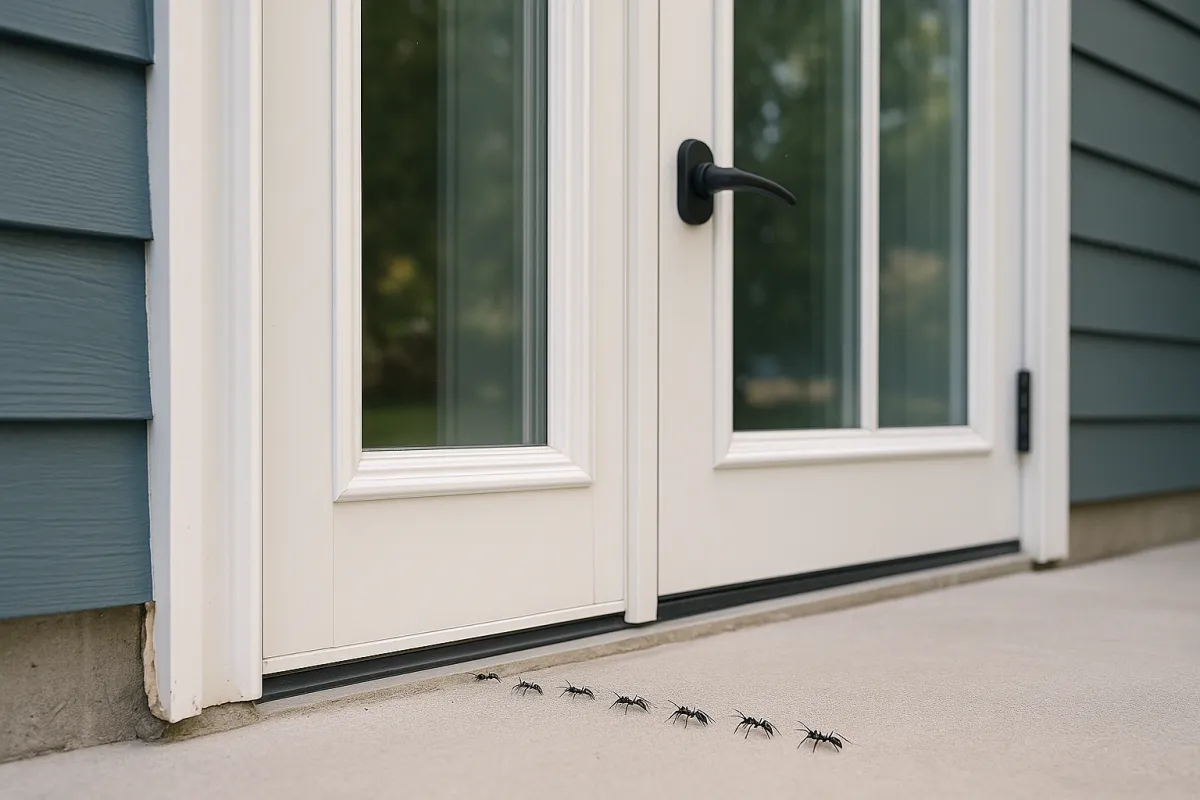
The Silent Invasion: How Pests Enter Through Your Home’s Weakest Spots
The Silent Invasion: How Pests Enter Through Your Home’s Weakest Spots
You may not see them. You may not hear them. But pests can find their way into your home through tiny, almost invisible entry points — and by the time you notice the signs, they’ve already made themselves comfortable.
Pest infestations often begin quietly, not with a dramatic swarm but with a single ant, spider, or mouse slipping in through a crack, vent, or gap. Over time, those few become many, and the issue that started as an inconvenience becomes a serious health or structural risk.
This is how it happens — and how you can stop it.
The Entry Points You’re Probably Overlooking
You’d be surprised at how little space a pest needs to get in. Rodents can squeeze through holes as small as a dime. Insects need even less. And these “doorways” into your home exist in places you might not think to check.
Let’s look at the top areas where pests commonly gain entry:
1. Gaps Around Doors and Windows
Doors and windows shift slightly over time due to foundation settling and weather changes. These small shifts create gaps that let in air — and pests.
What to check for:
Light peeking through around the frame
Cracked caulking or missing weatherstripping
Loose-fitting screens or torn mesh
Common pests entering here: Ants, flies, spiders, mosquitoes

2. Crawl Spaces and Vents
Crawl spaces are a dream location for pests — cool, dark, and often humid. If left unsealed or poorly maintained, they offer a wide-open gateway.
What to check for:
Missing or damaged vent covers
Cracks in the crawl space foundation
Gaps around utility access points
Common pests entering here: Rodents, termites, cockroaches, spiders
3. Rooflines and Attic Openings
The upper levels of your home are often forgotten — which makes them perfect for pests. Attic vents, rooflines, and soffits often have small openings or warped materials.
What to check for:
Broken or missing vent screens
Gaps where the roof meets siding
Cracks around chimneys or skylights
Common pests entering here: Squirrels, bats, wasps, spiders

4. Utility Line Penetrations
Where your plumbing, HVAC, or electrical wiring enters the home, there are often unsealed or poorly sealed holes in the wall or foundation.
What to check for:
Large gaps around pipes or conduit
Worn or crumbling insulation
Evidence of gnawing or nesting
Common pests entering here: Mice, rats, ants, spiders
5. Garage Doors and Gaps in Flooring
Garage doors are a common weak point — especially if they don’t seal completely when closed. The space under the door or between floor slabs can become a pest highway.
What to check for:
Daylight visible under garage doors
Cracks in concrete floors
Gaps where the driveway meets the foundation
Common pests entering here: Crickets, rodents, centipedes, spiders

6. Basement Cracks and Foundation Damage
Even a hairline crack in the foundation can be enough for pests to get in — especially subterranean ones like termites or ants. Moisture and darkness make basements a prime target.
What to check for:
Horizontal or vertical foundation cracks
Musty smells or damp walls
Bug activity near baseboards or drains
Common pests entering here: Termites, silverfish, ants, cockroaches
How to Tell If Pests Are Already Inside
Most pest invasions don’t announce themselves immediately. You’ll need to look for subtle clues that something is wrong:
Droppings or greasy marks along walls
Scurrying noises in walls or ceilings, especially at night
Nesting materials like shredded paper or insulation
Chewed packaging or wires
Unusual smells (rodents and cockroaches both give off distinct odors)
Insect activity near windows, vents, or drains
If you spot any of these, pests aren’t just exploring — they’ve likely moved in.

How to Seal the Weak Points and Pest-Proof Your Home
The good news is that sealing entry points isn’t just effective — it’s one of the simplest ways to prevent future infestations. Here’s how to do it:
✅ Step 1: Inspect the Perimeter
Walk around the inside and outside of your home with a flashlight. Pay close attention to areas near ground level, under eaves, and around plumbing or utility access.
Pro tip: If you can see daylight, a pest can get through.
✅ Step 2: Seal Cracks and Gaps
Use silicone-based caulk to seal cracks around doors, windows, and utility lines.
For larger gaps, use expanding foam or steel wool (especially effective against rodents).
Install door sweeps on exterior doors and garage doors.
✅ Step 3: Screen and Cover All Openings
Install mesh screens over attic vents, crawl space openings, and chimneys.
Replace or repair any torn window or door screens.
Seal foundation vents with hardware cloth (¼ inch or smaller).
✅ Step 4: Address Moisture Issues
Fix leaks under sinks or around appliances.
Use a dehumidifier in damp basements or crawl spaces.
Ensure proper drainage away from the home’s foundation.
Moisture doesn’t just attract pests — it helps them thrive once they’re inside.
✅ Step 5: Keep Landscaping in Check
Trim tree branches or shrubs touching the home
Move woodpiles, mulch, or compost bins away from exterior walls
Keep gutters clean to avoid water pooling near the foundation
Pests often use overgrown vegetation as a launchpad to reach higher entry points.

When to Call a Professional
If you've done your part sealing gaps and still notice signs of pest activity, it might be time for a more thorough inspection.
A licensed pest control technician can:
Identify hidden or hard-to-reach entry points
Pinpoint the type of pests invading your space
Recommend a customized exclusion plan
Apply safe treatments to remove current infestations
Set up a year-round pest prevention program
Final Thoughts
Pest control isn’t just about killing bugs — it’s about closing the door before they even get in.
Weak spots around your home are open invitations to pests, especially as seasons change. By learning where to look, what to seal, and when to bring in help, you can stop infestations before they start.
Because when it comes to pests, it’s not just what’s inside your home that matters — it’s how they got there.
