
How Moisture Problems Can Lead to Pest Infestations
Why Moisture and Pests Often Go Together
Most homeowners think of pest problems and moisture problems as two separate issues. In reality, they are often closely connected.
Many pests actively seek out damp, humid environments because moisture helps them survive, reproduce, and remain hidden. In areas like Tacoma and the Puget Sound region, where rain and humidity are common throughout the year, even small moisture issues can create ideal conditions for pest activity.
What starts as a minor leak, condensation buildup, or damp crawl space can quietly turn into an environment that attracts rodents, insects, and other unwanted pests.
Understanding this connection is one of the most important steps in preventing infestations before they grow into larger problems.
Why Moisture Attracts Pests
Pests need three basic things to survive:
Food
Shelter
Water
While homeowners usually focus on food sources, moisture is often the bigger factor.
Damp environments help pests:
Stay hydrated
Build nests safely
Avoid dry or exposed conditions
Reproduce more effectively
Many pests naturally gravitate toward areas with excess humidity or standing moisture because those spaces provide protection and stability.
In Tacoma homes, moisture issues are especially common due to:
Frequent rain
Overcast conditions
Poor ventilation in crawl spaces and attics
Dense tree coverage around homes
These environmental conditions make moisture control extremely important for long-term pest prevention.
Common Moisture Problems Inside Tacoma Homes
Moisture issues are not always obvious. In many homes, they develop slowly over time and remain hidden until larger problems appear.
Some of the most common moisture-related issues include:
Crawl Space Dampness
Crawl spaces are one of the biggest problem areas in the Pacific Northwest. Poor airflow, exposed soil, and trapped humidity create ideal conditions for pests.
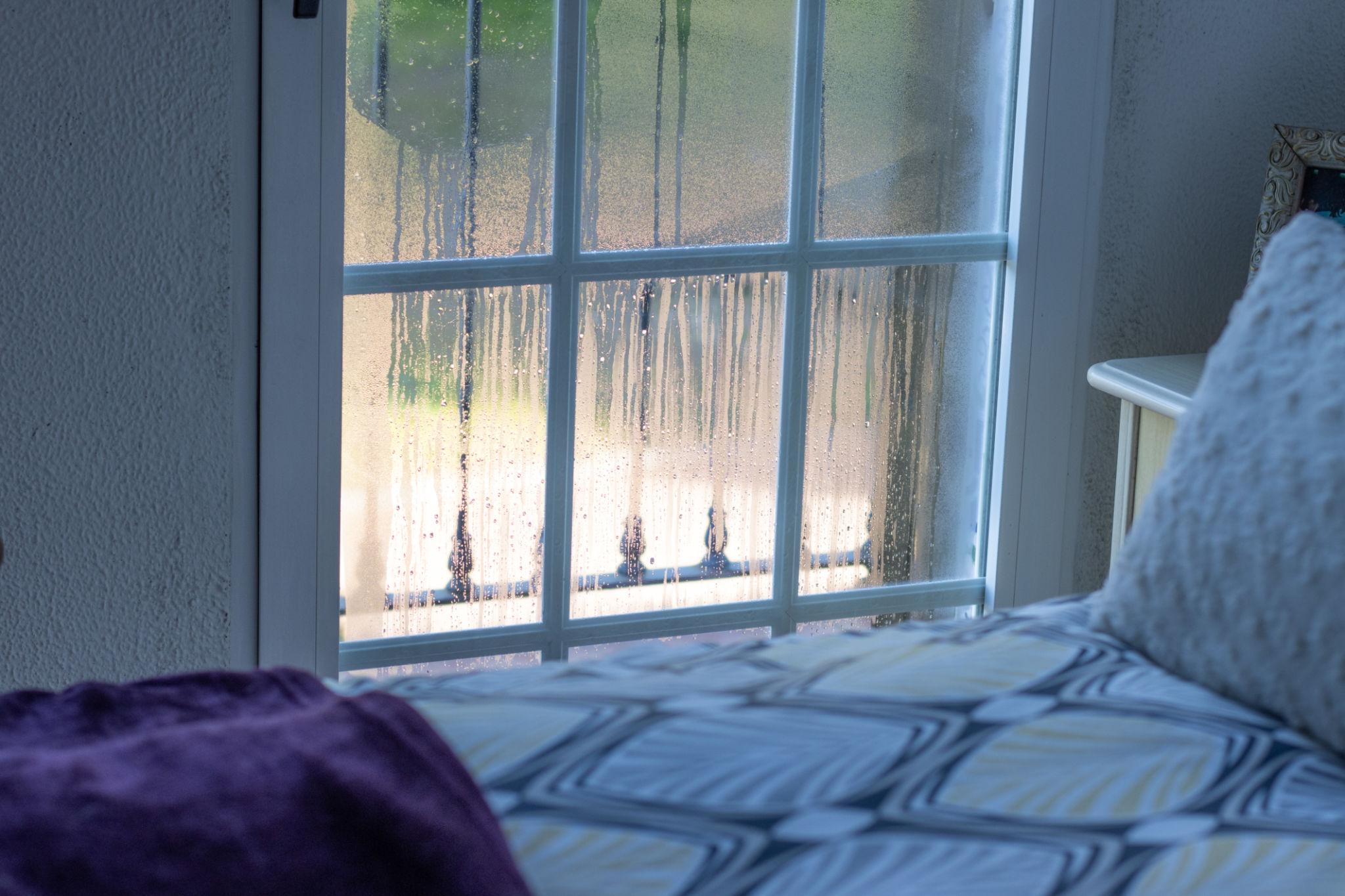
Condensation Around Windows
Persistent condensation may indicate excess indoor humidity levels, especially during colder months.
Plumbing Leaks
Small leaks under sinks or behind walls can create hidden moisture pockets that attract pests.
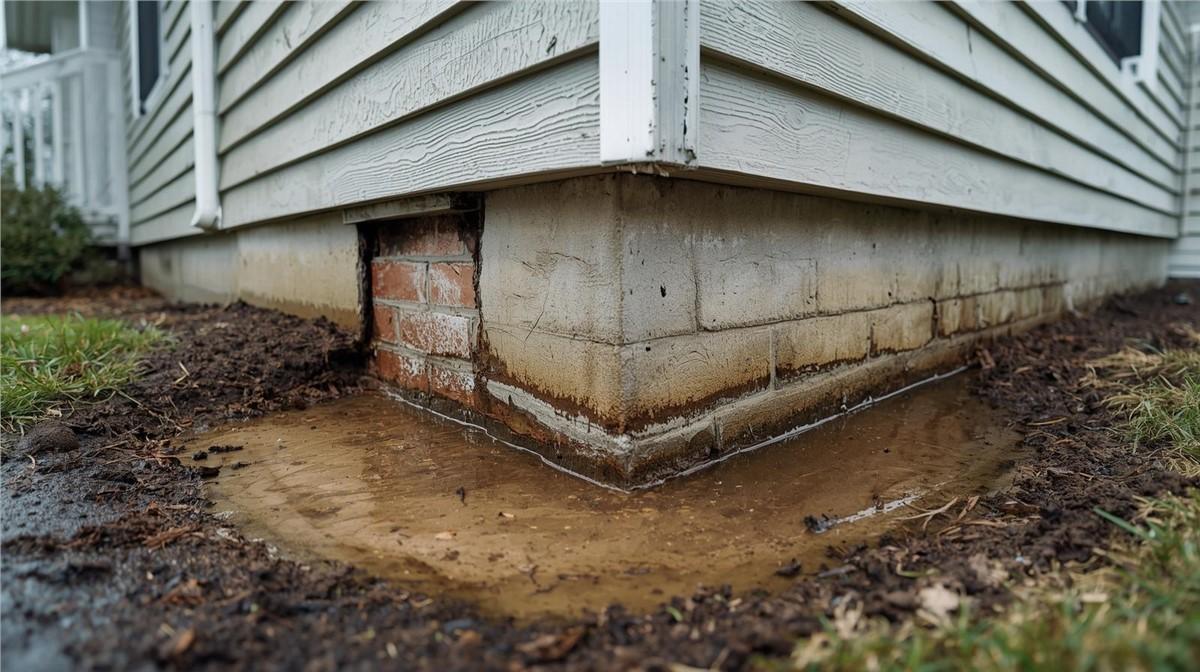
Poor Drainage Around the Foundation
Water collecting near the foundation can increase moisture levels beneath and around the home.
Attic Humidity
Improper attic ventilation can trap warm, moist air and create a comfortable environment for rodents and insects.
What Types of Pests Are Attracted to Moisture?
Different pests are drawn to moisture for different reasons, but the connection is consistent across many infestations.
Rodents
Rodents often seek out damp crawl spaces, basements, and wall voids because they provide shelter and nearby water sources.
Ants
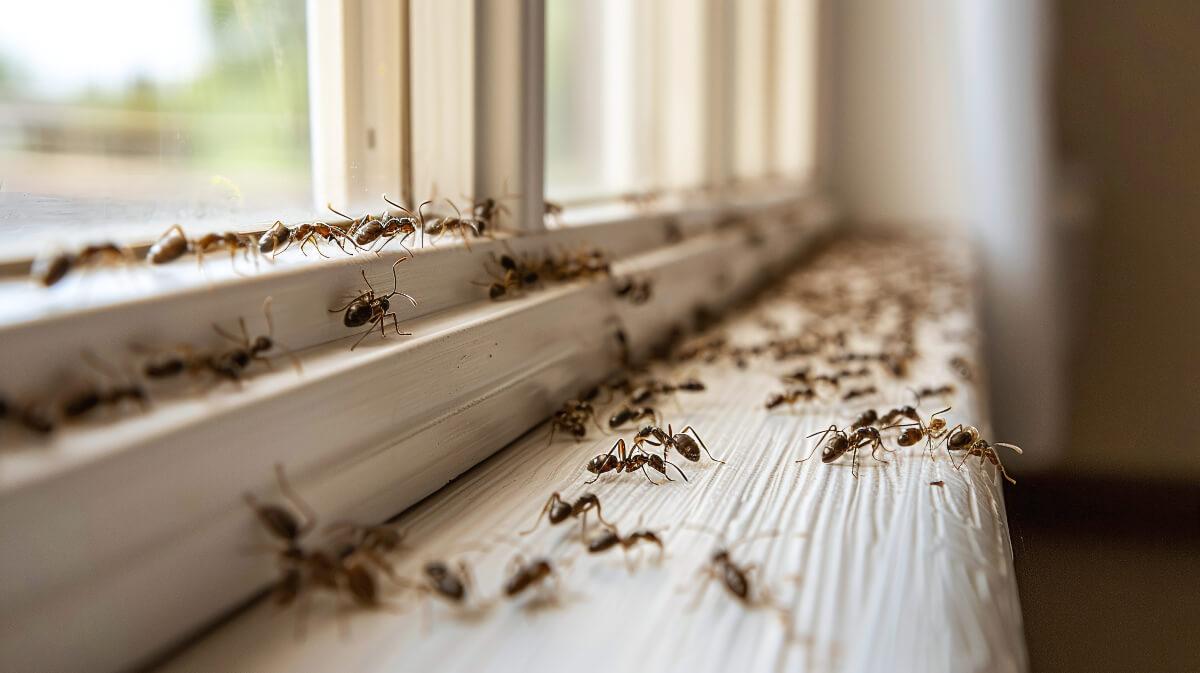
Many ant species are attracted to damp wood and humid environments, especially around kitchens, bathrooms, and foundations.
Termites
Moist wood is one of the biggest termite attractants. Excess moisture weakens wood and makes it easier for termites to invade structural areas.
Cockroaches
Cockroaches thrive in humid conditions and often hide near plumbing, drains, and water sources.
Silverfish and Other Moisture-Loving Insects
Some insects specifically prefer humid environments and are commonly found in damp storage areas, basements, or bathrooms.
How Moisture Creates Hidden Pest Areas
One of the biggest challenges with moisture-related infestations is that they usually develop out of sight.
Pests commonly settle in:
Crawl spaces
Attics
Wall voids
Behind cabinets
Under flooring
Near plumbing lines
Once these areas become damp enough, pests can remain hidden for long periods without being noticed.
This is why homeowners often discover infestations only after hearing noises in walls, noticing odors, or seeing visible damage.
Signs Moisture May Already Be Causing Pest Problems
Moisture-related pest issues often produce warning signs before the infestation becomes severe.
Watch for:
Musty odors inside the home
Condensation on windows
Soft or damp wood surfaces
Increased insect activity near sinks or bathrooms
Scratching sounds inside walls or ceilings
Mold or mildew growth in hidden areas
These signs may indicate that moisture conditions are creating an environment pests are actively using.
Why Ignoring Moisture Problems Can Become Expensive
Moisture issues rarely stay small for long.
Over time, excess moisture can:
Damage wood structures
Weaken insulation
Contribute to mold growth
Increase indoor air quality issues
Attract larger pest populations
When moisture and pest activity happen together, the cost of repairs can rise quickly.
What may begin as a small ventilation or drainage issue can eventually require structural repairs, insulation replacement, or extensive pest treatment if ignored.
Why Tacoma and Puget Sound Homes Are More Vulnerable
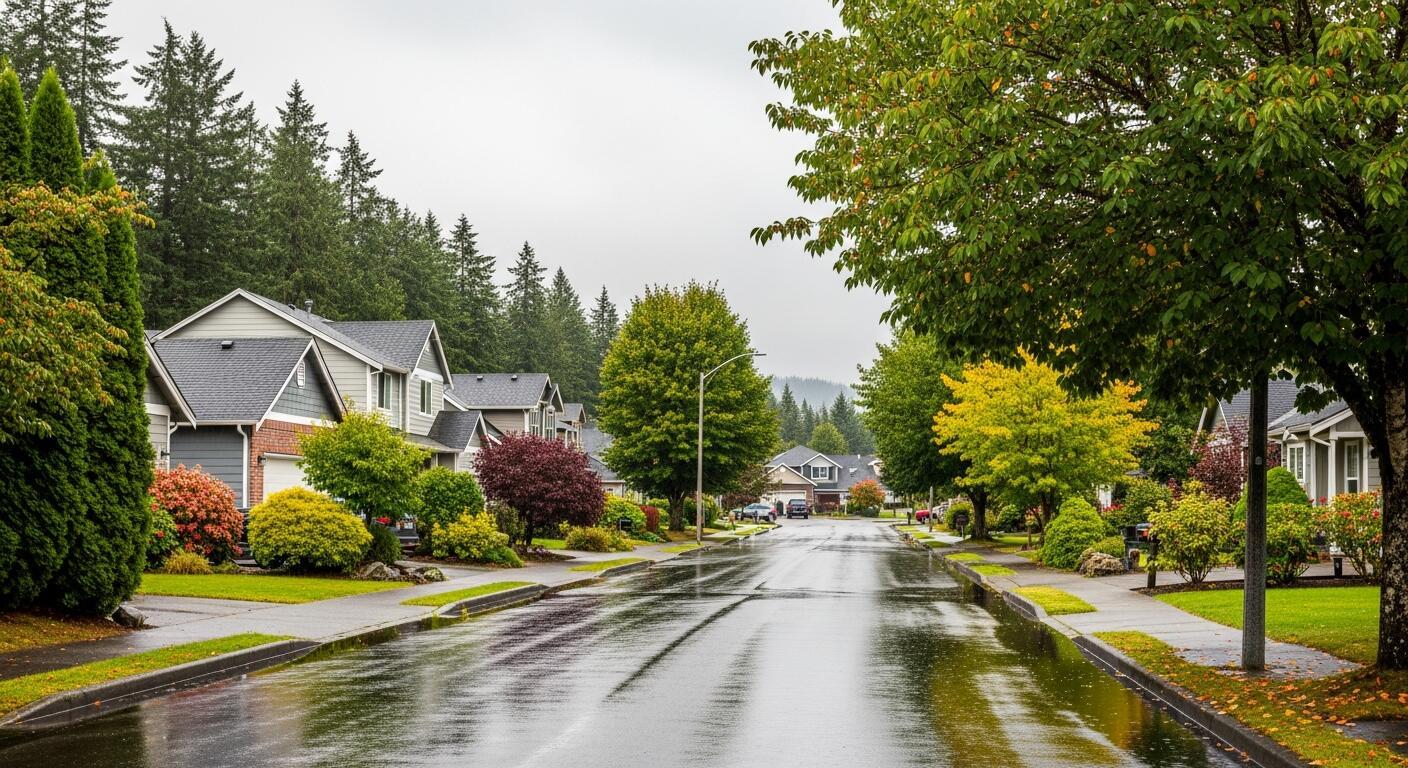
Homes in Tacoma and throughout the Puget Sound region face unique environmental conditions that naturally increase moisture exposure.
These include:
Frequent rainfall
Mild temperatures year-round
Dense vegetation and tree cover
Crawl space construction common in older homes
Long periods of cloudy, damp weather
Because of this, moisture prevention is not just about comfort. It is a major part of protecting your home from pest infestations.
How Professional Pest and Moisture Inspections Help
A professional inspection can identify both pest activity and the moisture conditions contributing to it.
This process often includes:
Evaluating crawl spaces and attics
Checking ventilation and airflow
Identifying leaks or drainage problems
Looking for entry points and nesting areas
Assessing signs of hidden infestations
By addressing both the pests and the environmental conditions attracting them, homeowners can achieve more effective long-term protection.
Moisture Problems Often Lead to Bigger Issues
Moisture may not seem like a serious problem at first, but over time it can create the perfect environment for pests to move in and stay hidden.
In Tacoma and the surrounding Puget Sound region, controlling moisture is one of the most important parts of preventing infestations and protecting your home.
If you have noticed signs of dampness, unusual odors, or recurring pest activity, it may be time to look deeper into what is happening behind the scenes before the problem grows larger.
