Why You’re Hearing Noises in Your Walls at Night (And What It Means)
When Your Home Doesn’t Feel Quiet Anymore
It usually starts subtly.
A faint scratching sound. A light tapping. Maybe even something that sounds like movement behind the walls — most often at night, when everything else is quiet.
Many homeowners try to ignore it at first. But if you’re hearing noises in your walls consistently, it’s rarely something that resolves on its own.
In fact, these sounds are often one of the earliest signs of a hidden pest problem. And in Tacoma and the Puget Sound region, where homes are surrounded by moisture, trees, and crawl spaces, these types of issues are more common than most people realize.
What Those Noises in Your Walls Actually Are
If you’re hearing activity at night, there’s a strong chance you’re dealing with pests — not plumbing or house settling.
Common culprits include:
Rodents (mice or rats) — the most frequent cause
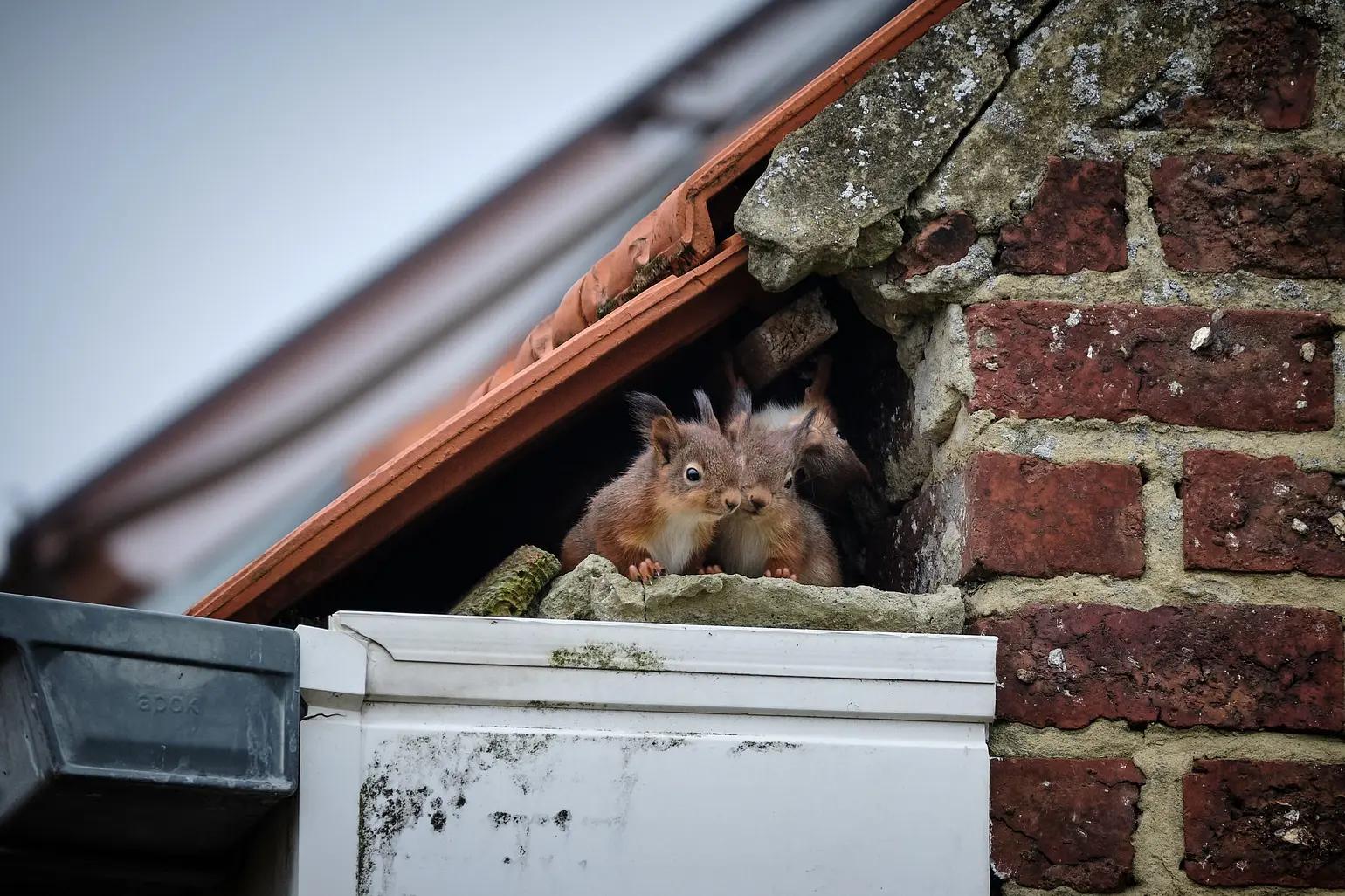
Squirrels — especially in attics or upper walls
Insects — such as ants or termites inside structural areas
Other small wildlife — depending on your home’s location
Rodents are particularly active at night, which is why the sounds often become more noticeable after dark. They move through wall voids, insulation, and structural gaps, using your home as a protected pathway.
Why You Hear It More at Night
There’s a reason these noises seem to appear after the sun goes down.
Most pests are nocturnal, meaning they are most active during nighttime hours. While you’re sleeping or winding down, they’re searching for food, building nests, or moving through your home.
At the same time:
Your home is quieter, making small sounds easier to notice
There’s less human activity, so pests feel safer moving around
Temperature changes inside walls can increase movement
This combination makes nighttime the most common time for homeowners to detect a problem that’s been developing unnoticed.
How Pests Move Through Your Walls
Walls aren’t solid barriers to pests — they’re more like highways.
Inside your walls are:
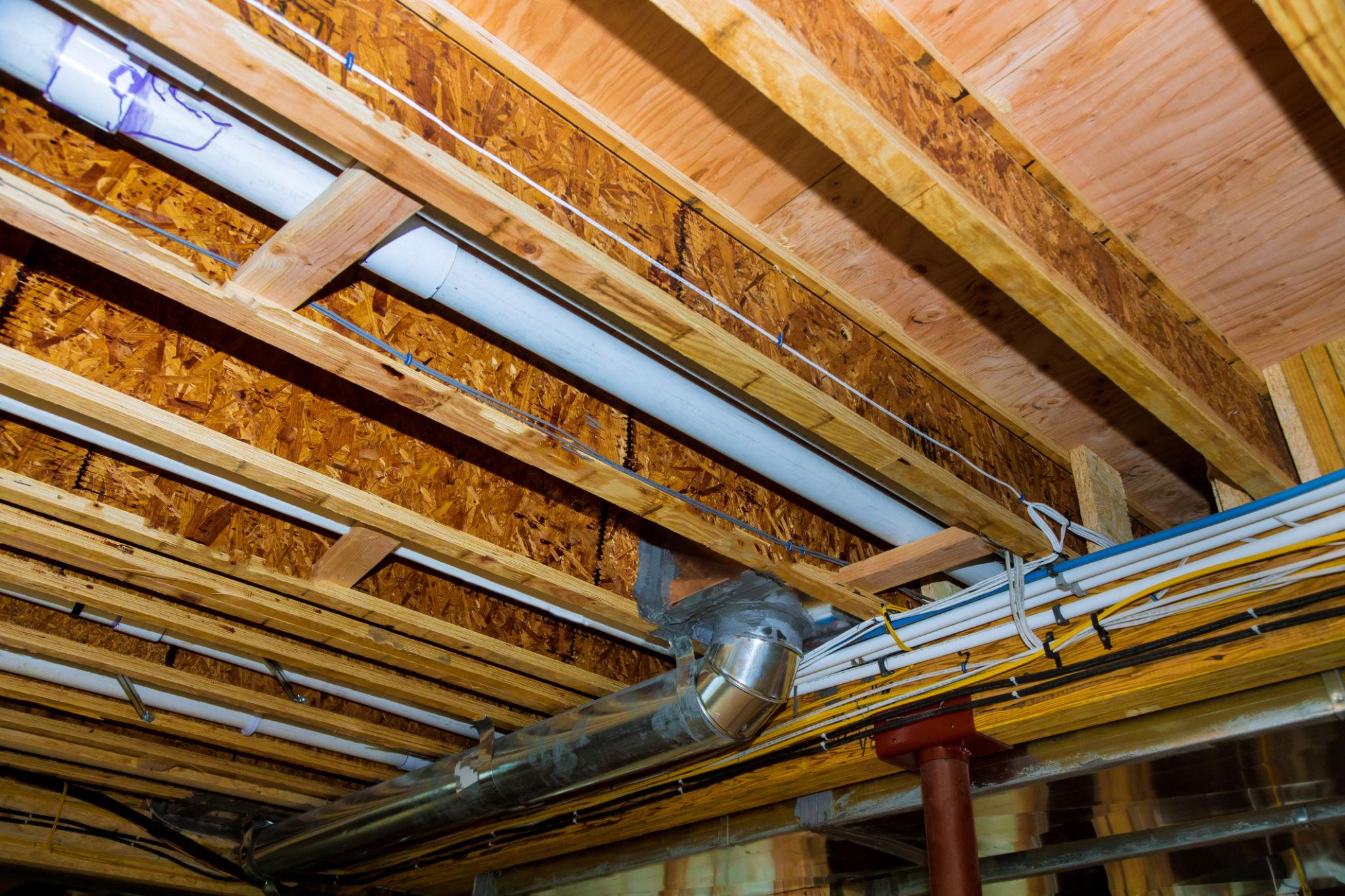
Empty spaces (wall voids)
Electrical wiring pathways
Plumbing lines
Insulation that can be tunneled through
Once pests find an entry point, they can move freely between different parts of your home without ever being seen.
This is why you might hear sounds in one area one night, and a completely different area the next.
How Pests Are Getting Inside in the First Place
Noises in your walls don’t happen unless something has already found a way in.
Common entry points include:
Small gaps in your home’s foundation
Openings around pipes and utility lines
Worn weather stripping around doors
Roofline gaps and attic vents
Crawl space access points
In Tacoma homes, crawl spaces are especially important. These areas often provide the initial entry point, allowing pests to move upward into walls and living spaces.
Signs It’s More Than Just Noise
If you’re hearing sounds, there are often other signs happening at the same time — even if you haven’t noticed them yet.
Look for:
Droppings near baseboards, cabinets, or storage areas
Light scratching or chewing sounds that repeat nightly
Grease marks or smudges along walls
Unusual odors coming from hidden areas
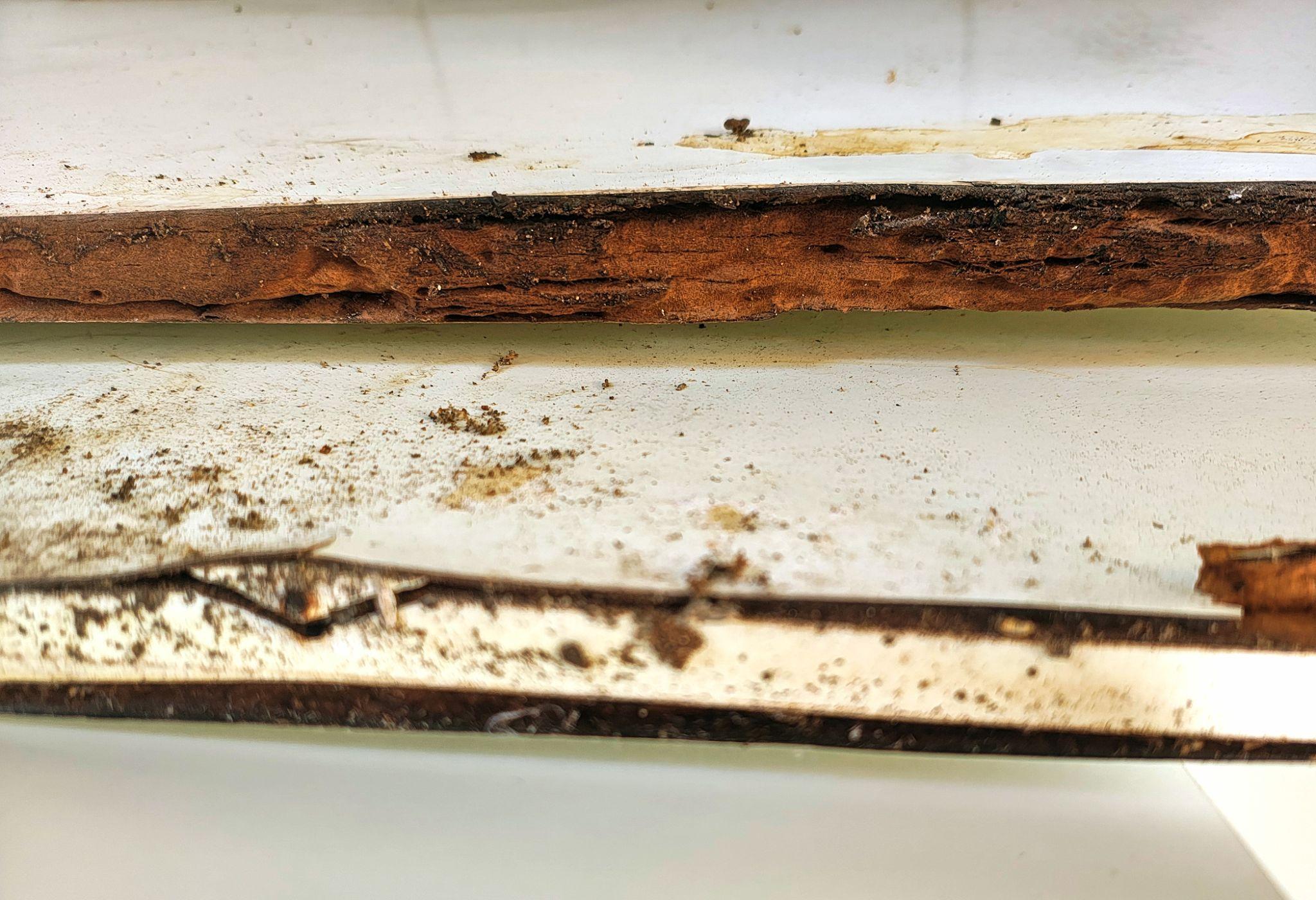
Small damage to wood, wiring, or insulation
These signs indicate that pests aren’t just passing through — they’ve likely established themselves inside your home.
What Happens If You Ignore It
It’s easy to hope the problem will go away on its own. Unfortunately, it almost never does.
Pests inside your walls can:
Multiply quickly, turning a small issue into a full infestation
Damage insulation and structural materials
Chew through electrical wiring, increasing fire risk
Contaminate your home with bacteria and allergens
The longer the issue goes unaddressed, the more complex and costly it becomes.
Why This Is Common in Tacoma and the Puget Sound Area
Homes in Tacoma face unique environmental conditions that make pest activity more likely.
These include:
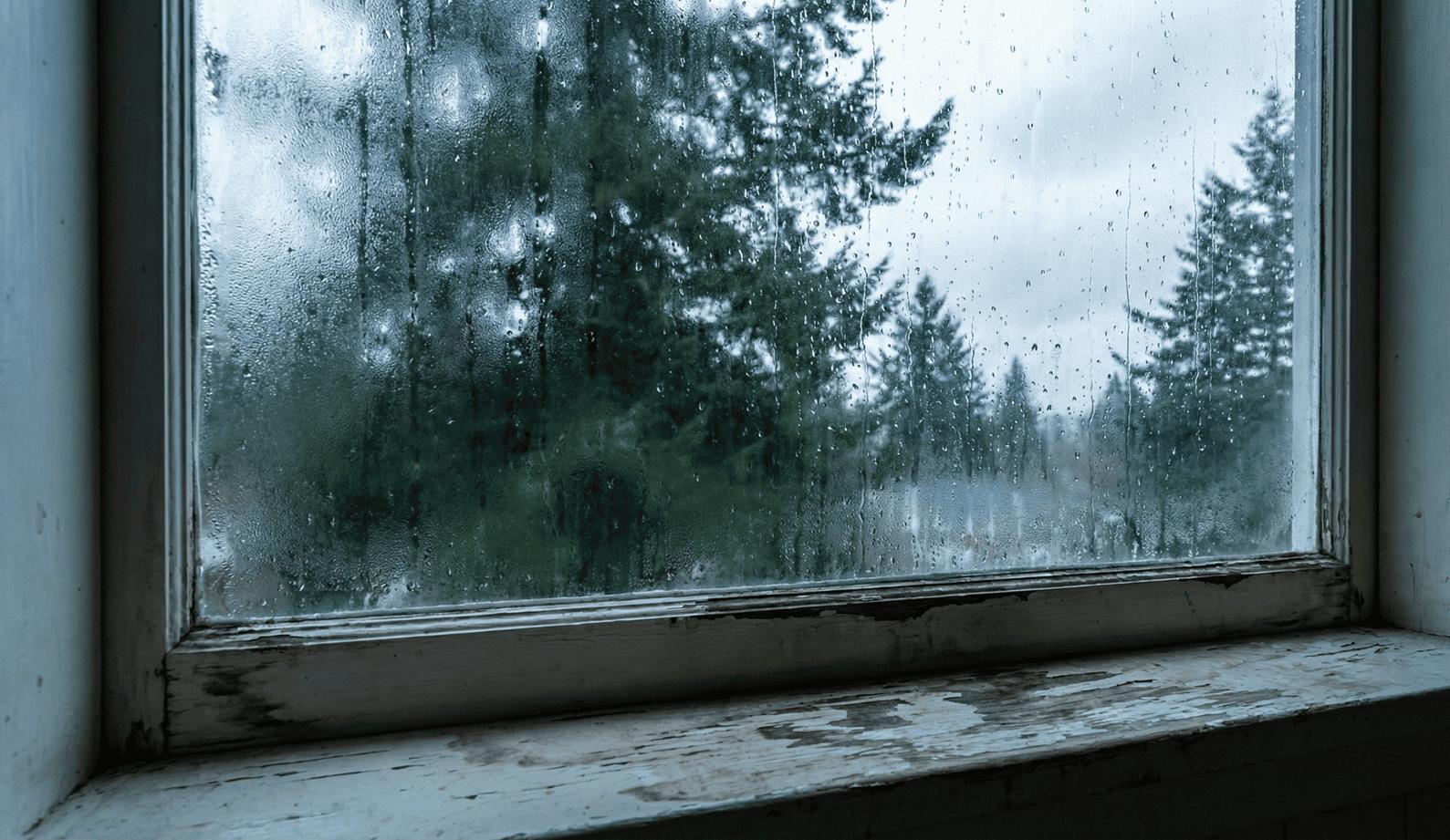
Frequent rain and high humidity
Dense tree coverage around homes
Crawl space construction
Mild temperatures that allow pests to stay active year-round
Moisture and shelter are two of the biggest factors that attract pests — and the Puget Sound region naturally provides both.
How a Professional Inspection Solves the Problem
The key to stopping noises in your walls isn’t just removing pests — it’s understanding why they’re there in the first place.
A professional inspection focuses on:
Identifying the exact source of the noise
Locating entry points around your home
Evaluating conditions like moisture or access areas
Creating a plan to remove pests and prevent return
This approach addresses both the symptom (noise) and the cause (entry + environment).
Don’t Ignore What Your Home Is Telling You
Hearing noises in your walls at night can feel unsettling — and for good reason.
It’s often one of the first signs that something is happening behind the scenes. And while the sounds might seem minor now, they usually point to a larger issue developing inside your home.
By taking action early, you can prevent further damage, avoid costly repairs, and restore the sense of comfort and quiet your home should have.
If something doesn’t sound right, it’s worth finding out why.
