
Are Pests Getting In Through Your Home’s Weakest Points? Here’s Where to Look
Most homeowners assume that if they keep a clean home, pests won’t be a problem. But the truth is, cleanliness is only part of the equation.
Pests don’t need an open door to get inside. In fact, many infestations start through tiny, nearly invisible entry points that go unnoticed for months. By the time you see ants in the kitchen or hear scratching in the walls, the problem has already been developing behind the scenes.
Understanding where pests get in is the first step to protecting your home — especially in areas like Tacoma and the Puget Sound region, where the climate naturally attracts insects and rodents year-round.
Why Even Well-Maintained Homes Still Get Pests
You can have a spotless home and still deal with pest issues. Why?
Because pests are not attracted to mess — they’re attracted to access, shelter, and conditions.
Common reasons pests enter homes include:
Seeking warmth during cooler months
Escaping heavy rain (common in the Pacific Northwest)
Looking for food sources (even small crumbs or pet food)
Finding safe nesting areas inside walls, attics, or crawl spaces
In the Puget Sound region, moisture plays a major role. Damp environments around and under your home create ideal conditions for pests to thrive — and once they find a way in, they rarely leave on their own.

The Most Common Pest Entry Points Around Your Home
Pests don’t need much space. Some insects can enter through openings as small as a pinhole, while rodents can squeeze through gaps the size of a coin.
Here are the most common entry points to inspect:
1. Foundation Cracks
Small cracks in your home’s foundation are one of the easiest ways for pests to get inside. Over time, natural settling can create tiny openings that go unnoticed but are large enough for insects and rodents.
2. Gaps Around Doors and Windows
Worn weather stripping or poor sealing creates easy access points, especially at ground level. Even a small gap under a door can become a regular entryway.
3. Utility Openings
Pipes, cables, and vents entering your home often leave small gaps. These are rarely sealed properly and are one of the most overlooked entry points.
4. Rooflines and Attic Vents
Damaged soffits or unsealed vents provide access to attics — a favorite nesting spot for rodents and insects alike.
5. Garage Doors
Even a slight gap at the bottom or sides of your garage door can allow pests to enter and eventually make their way into your home.
Hidden Entry Points You Probably Haven’t Checked
Some of the most serious infestations start in areas homeowners rarely inspect.
Crawl Spaces
In Tacoma homes, crawl spaces are extremely common — and they’re one of the biggest risk areas. Moisture, darkness, and limited airflow make them ideal for pests. Once inside, pests can move upward into the home through structural gaps.
Attics
Rodents often enter through the roof and settle in attic insulation, where they can remain undetected for long periods while causing damage.
Behind Walls
Pests can travel through wall voids using plumbing and electrical pathways. This allows them to spread throughout your home without ever being seen directly.
Basements
Even minor moisture issues in basements can attract pests looking for stable, protected environments.
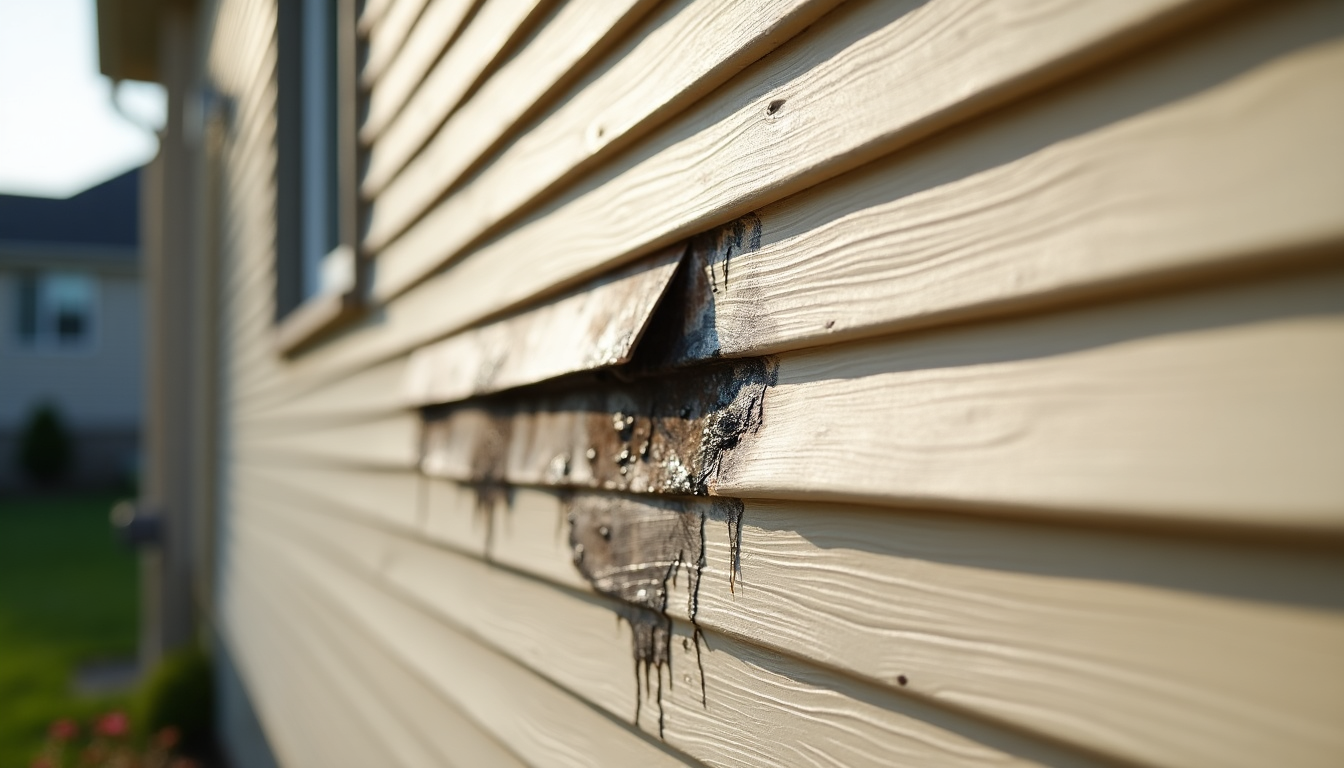
Signs Pests Are Already Getting Inside
Even if you haven’t seen pests directly, there are warning signs that indicate activity:
Droppings near walls, cabinets, or storage areas
Scratching or movement sounds inside walls or ceilings
Chewed wires, wood, or insulation
Grease marks or dark streaks along baseboards
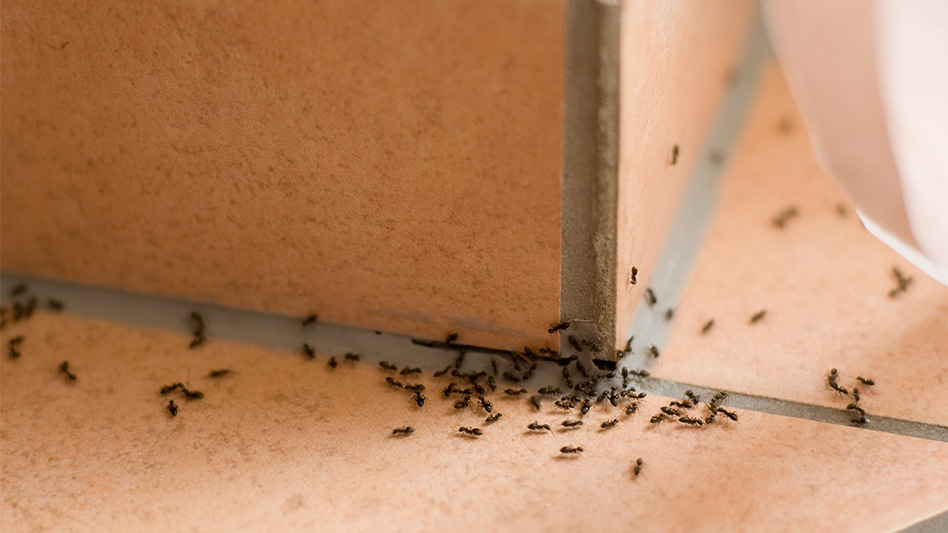
Ant trails or recurring insect activity in specific areas
These signs usually mean pests are not just visiting — they’ve already established themselves inside your home.
Why Small Entry Points Turn Into Big Problems
A small gap might not seem like a big deal — but over time, it can lead to serious consequences.
Pests can:
Damage wood structures and insulation
Contaminate surfaces with bacteria and droppings
Create fire hazards by chewing through electrical wiring
Contribute to poor indoor air quality
What starts as a minor issue can quickly escalate into a costly repair if left unaddressed.
How Professional Pest Control Identifies and Seals Entry Points
The difference between temporary relief and long-term protection comes down to identifying the root cause.
A professional pest inspection focuses on:
Locating all potential entry points around the home
Identifying signs of current or past pest activity
Evaluating moisture and environmental conditions
Sealing and reinforcing vulnerable areas
Rather than just treating visible pests, this approach targets the source of the problem — helping prevent future infestations.
Why This Matters for Tacoma and Puget Sound Homes
Homes in Tacoma and the surrounding Puget Sound region face unique challenges that make pest prevention more important.
These include:
Frequent rainfall and high humidity
Crawl space construction common in the area
Mild temperatures that allow pests to remain active year-round
Because of these conditions, even small entry points can quickly turn into recurring pest problems if not properly addressed.

Protect Your Home Before Pests Settle In
Pest problems rarely begin with something obvious. More often, they start with a small crack, a hidden gap, or an overlooked part of your home.
By identifying and addressing these weak points early, you can prevent infestations before they start — saving time, money, and stress.
If you’ve noticed signs of pest activity or simply want peace of mind, a professional inspection can help uncover hidden issues and ensure your home stays protected year-round.
