Why Pests Often Show Up After Heavy Rain in Tacoma
Many Tacoma homeowners notice the same pattern every year.
After several days of heavy rain, pests suddenly seem to appear out of nowhere. Ants show up in kitchens, rodents become more active, and homeowners begin hearing scratching sounds in walls or ceilings.
This is not a coincidence.
Heavy rain changes the environment around your home in ways that force pests to relocate, search for shelter, and move indoors. In the Tacoma and Puget Sound region, where rain and moisture are a constant part of the climate, this cycle happens regularly throughout the year.
Understanding why pests become more active after storms can help homeowners recognize early warning signs and prevent larger infestations from developing.
What Heavy Rain Does to Pest Habitats
Pests spend most of their time hidden outdoors in places homeowners rarely notice.
Common outdoor nesting areas include:
Soil around foundations
Mulch beds and landscaping
Crawl spaces
Wood piles
Tree roots and dense vegetation
During periods of heavy rainfall, many of these areas become flooded, oversaturated, or unstable.
When pests lose their normal shelter, they begin searching for dry, protected environments nearby. Unfortunately, your home often becomes the ideal replacement.
This is especially true in Tacoma neighborhoods where dense tree coverage, damp soil, and older crawl space construction create naturally pest-friendly conditions.
Why Homes Become a Safe Shelter During Storms
To pests, your home provides exactly what they are looking for after rain:
Warmth
Dry shelter
Protection from flooding
Access to food and water
Even small openings around your home can quickly become entry points once pests begin searching for safer environments.
Common access areas include:
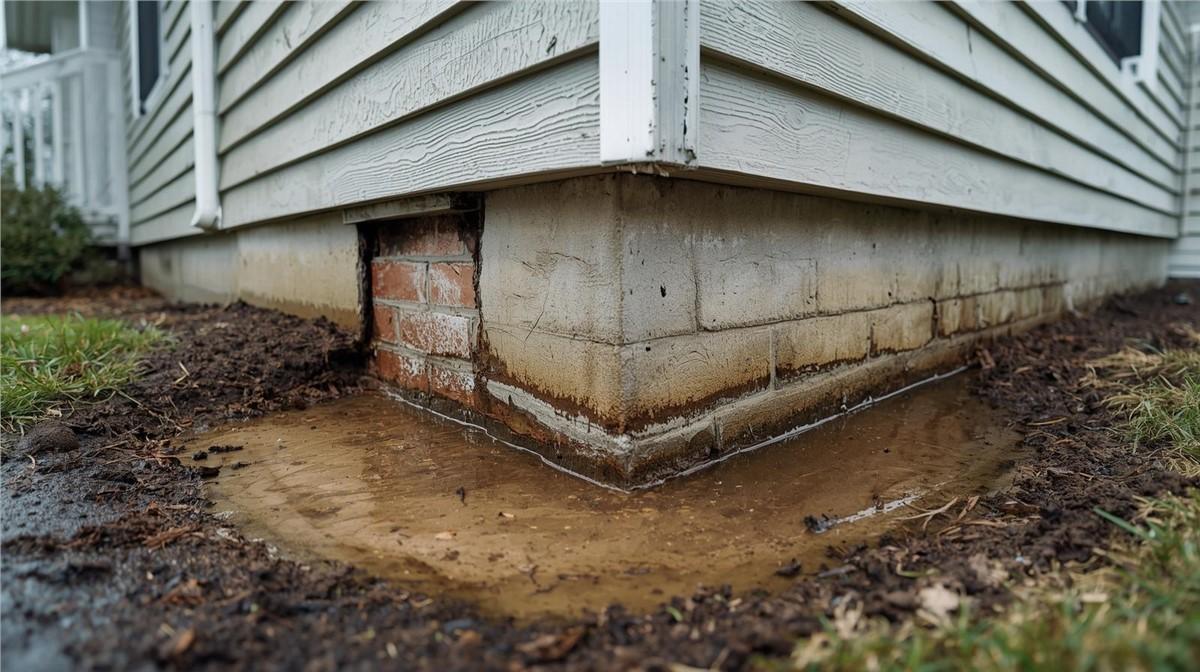
Foundation cracks
Gaps around plumbing lines
Crawl space vents
Roofline openings
Garage door gaps
Worn weather stripping around doors and windows
Once pests enter, they often remain hidden inside walls, attics, crawl spaces, or storage areas long before homeowners realize there is a problem.
The Most Common Pests That Become Active After Rain
Different pests react to heavy rain in different ways, but several species become noticeably more active after storms in the Tacoma area.
Rodents
Mice and rats often leave flooded burrows and seek dry shelter inside homes, garages, crawl spaces, and attics.
Ants
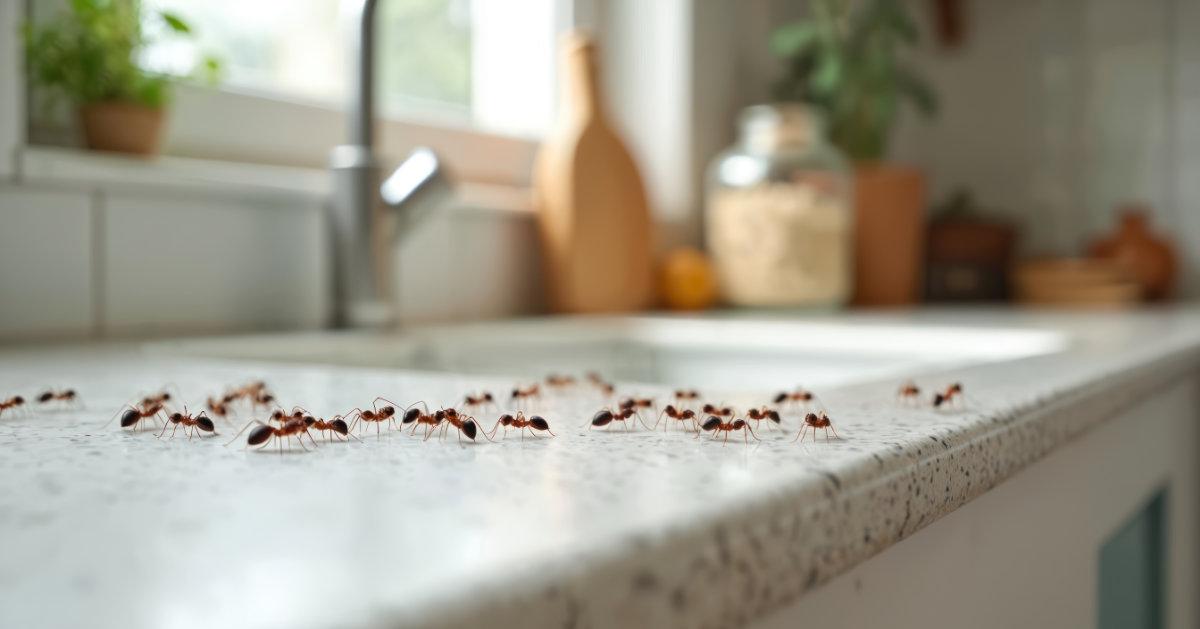
Heavy rain can disturb ant colonies underground, causing ants to relocate indoors in search of dry nesting areas.
Spiders
Increased insect activity after rain often attracts spiders closer to homes.
Cockroaches
Cockroaches thrive in damp environments and frequently move through drains, crawl spaces, and utility openings during wet conditions.
Moisture-Loving Insects
Silverfish and other moisture-dependent insects often become more visible after prolonged humidity and dampness.
Why Crawl Spaces Become a Major Problem Area
In Tacoma homes, crawl spaces are one of the biggest risk areas after heavy rain.
Many crawl spaces experience:
Increased humidity
Standing water
Damp insulation
Poor airflow
Condensation buildup
These conditions create the perfect environment for pests to hide and nest safely beneath the home.
Once pests establish activity in the crawl space, they can move upward through:
Wall voids
Plumbing openings
Electrical pathways
Floor gaps
This is why homeowners often notice noises in walls or signs of pest activity shortly after periods of prolonged rain.
Signs Rain-Related Pest Activity May Already Be Happening
Heavy rain often triggers early warning signs homeowners should not ignore.
Watch for:
Increased ants or insects indoors after storms
Scratching sounds inside walls or ceilings
Musty odors near crawl spaces or basements
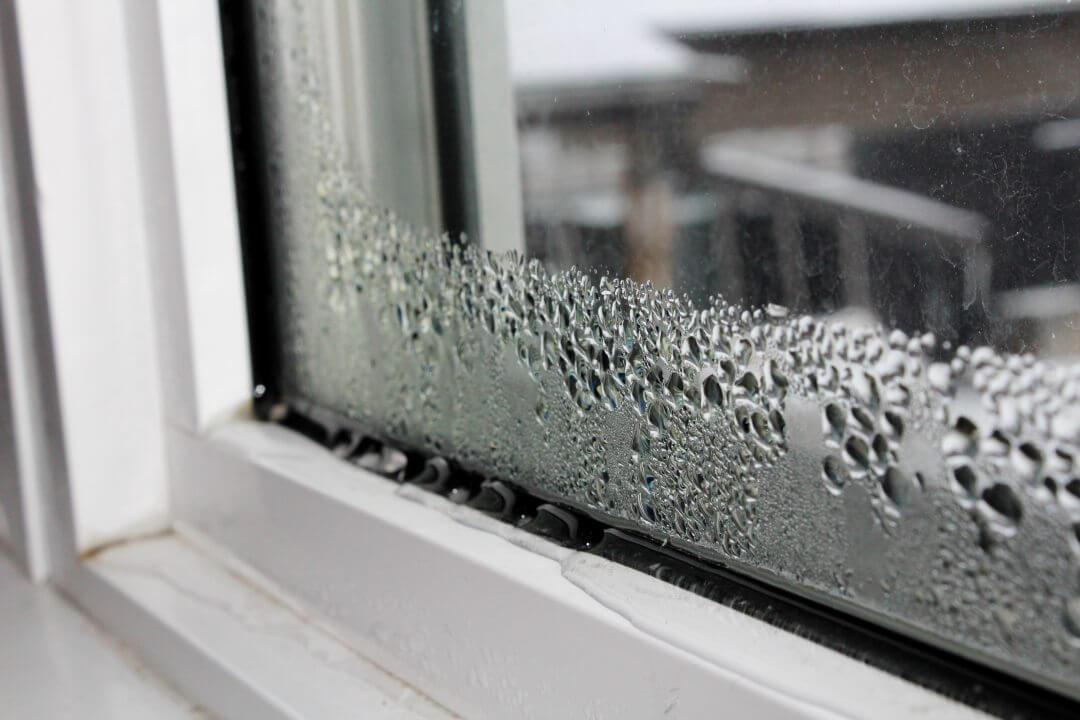
Moisture buildup or condensation on windows
Rodent droppings near walls or storage areas
Damp insulation or water stains
These signs may indicate that moisture conditions and pest activity are beginning to overlap inside the home.
Why Small Moisture Problems Can Turn Into Bigger Pest Issues
What begins as a minor moisture issue can quickly become a larger pest problem if ignored.
Over time, excess moisture can:
Weaken wood structures
Damage insulation
Increase mold growth
Create hidden nesting environments
Attract larger pest populations
When pests and moisture problems develop together, repair costs can increase significantly.
This is why addressing drainage, ventilation, and moisture control early is one of the most effective forms of long-term pest prevention.
Why Tacoma and the Puget Sound Region Are Especially Vulnerable
The Pacific Northwest climate naturally creates conditions that pests prefer.
Tacoma homes frequently experience:
Long rainy seasons
High humidity levels
Dense vegetation around homes
Mild temperatures throughout the year
Moist crawl spaces and shaded environments
Because of these factors, pest prevention in Tacoma often starts with moisture management.
Homes that control excess moisture tend to experience fewer recurring infestations over time.
How Professional Inspections Help After Heavy Rain
After periods of heavy rain, a professional inspection can help identify hidden risks before infestations grow larger.
An inspection may include:
Evaluating crawl spaces for standing water or moisture
Identifying entry points around the exterior
Checking attics and wall voids for activity
Assessing ventilation and drainage conditions
Looking for signs of nesting or hidden infestations
This approach helps homeowners address both the environmental conditions and the pest activity itself.
Conclusion: Rain Often Pushes Pests Closer to Your Home
Heavy rain does more than create puddles and wet soil. It disrupts pest habitats and pushes insects and rodents to search for new shelter.
In Tacoma and throughout the Puget Sound region, this pattern is extremely common due to the area’s naturally damp environment.
By paying attention to moisture conditions, entry points, and early warning signs after storms, homeowners can reduce the risk of pests settling into hidden areas of the home.
The sooner moisture and pest activity are addressed, the easier it becomes to prevent larger and more costly problems later on.
