Signs Pests May Be Living Inside Your Walls | Tacoma Pest Control Guide
Many pest infestations start in places homeowners rarely see. While it’s easy to notice ants on a countertop or a mouse in the garage, pests often spend most of their time hidden inside wall cavities.
Walls provide the perfect environment for pests. They offer warmth, protection from predators, and easy access to food sources inside the home. Because these spaces are rarely disturbed, pests can live and reproduce inside them for long periods before homeowners notice a problem.
Recognizing the early signs of pests living inside your walls can help prevent small infestations from becoming serious structural and health issues.

Scratching or Scurrying Sounds
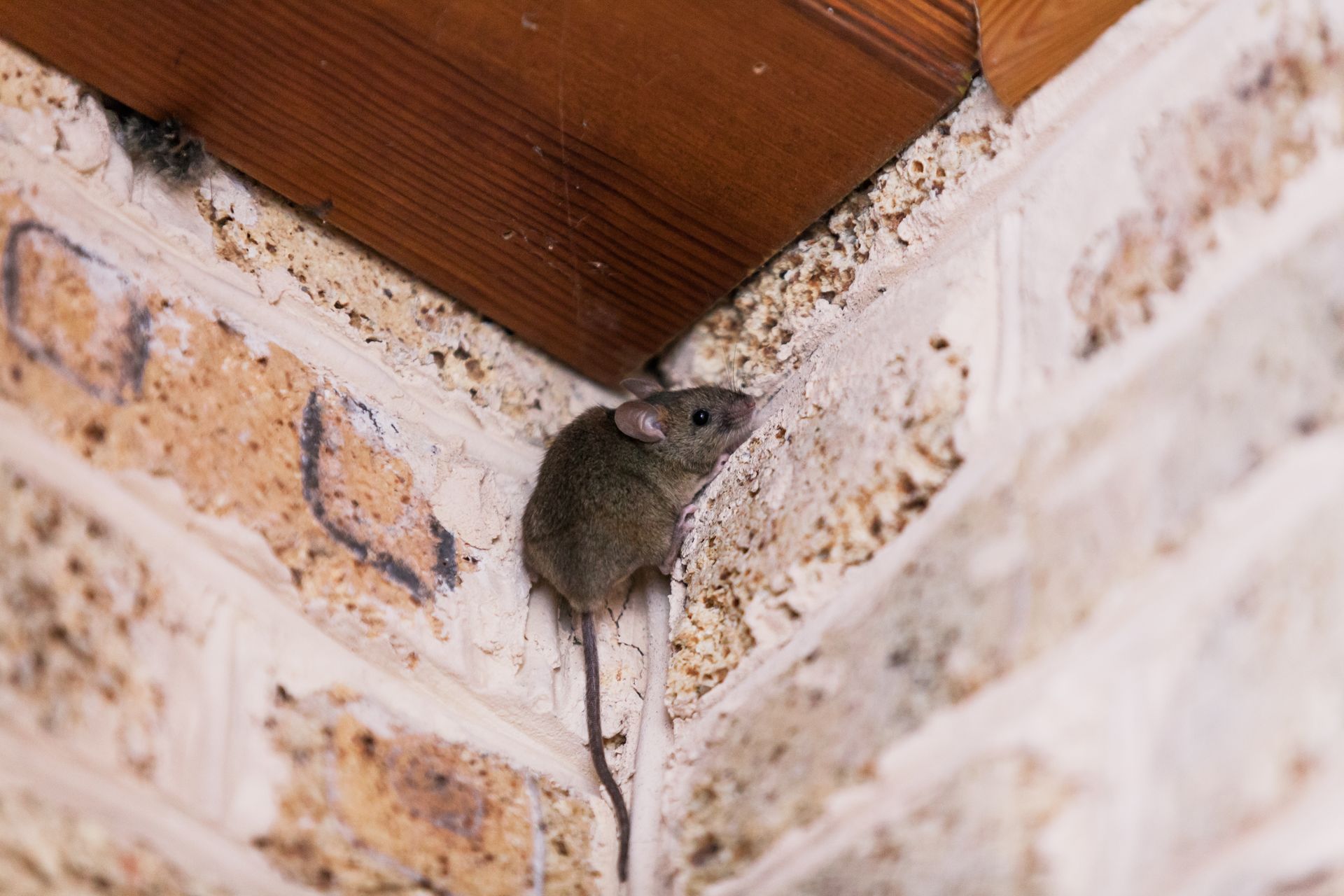
One of the most common signs of pests in your walls is unusual noise.
Rodents, insects, and other pests moving through wall cavities often create sounds that homeowners notice, especially during quiet times of the day or night.
You may hear:
Scratching or scratching sounds
Light tapping or rustling
Rapid scurrying noises
Occasional squeaking
These sounds are often most noticeable at night, when mice and rats are most active.
In many cases, the noises seem to come from specific areas of the home such as near ceilings, inside kitchen walls, or along exterior walls.
Rodents frequently travel along the same paths repeatedly, which is why the sounds may occur in the same areas night after night.
Small Holes or Gaps Appearing in Walls
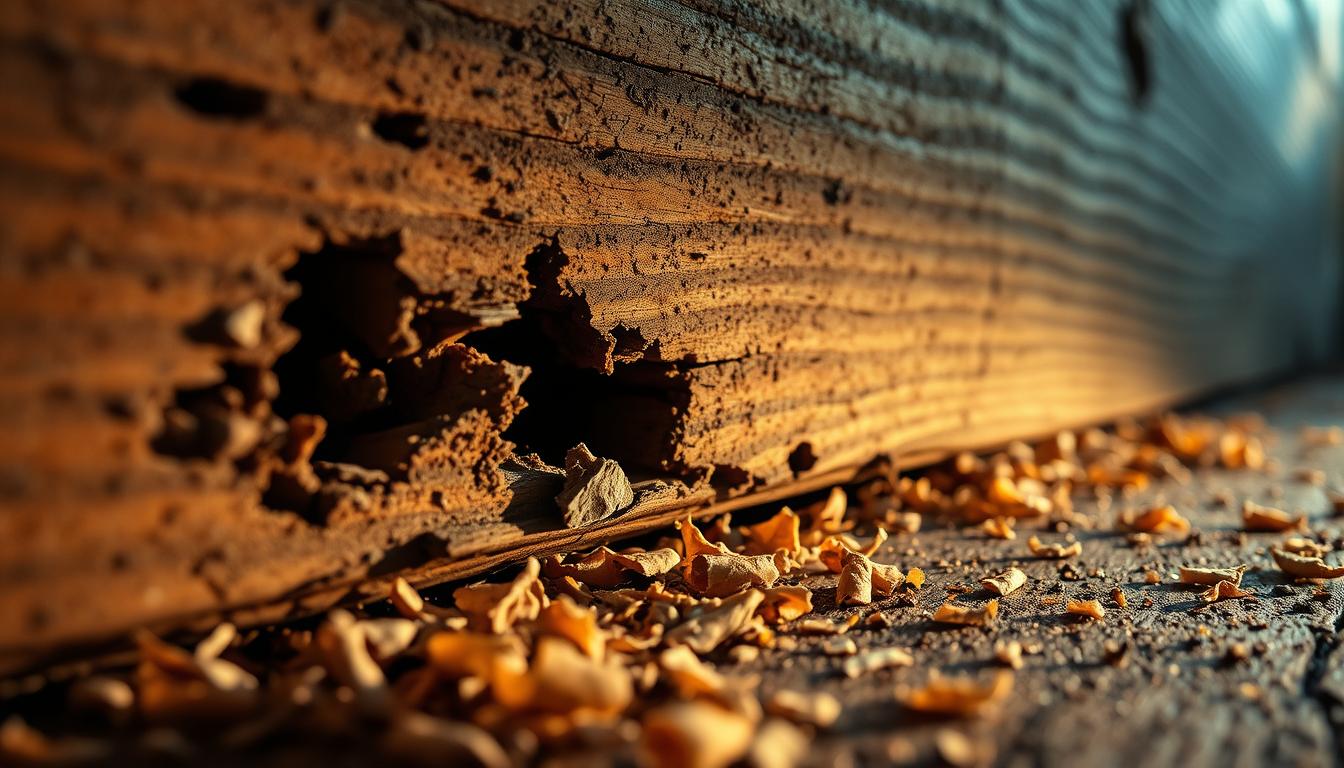
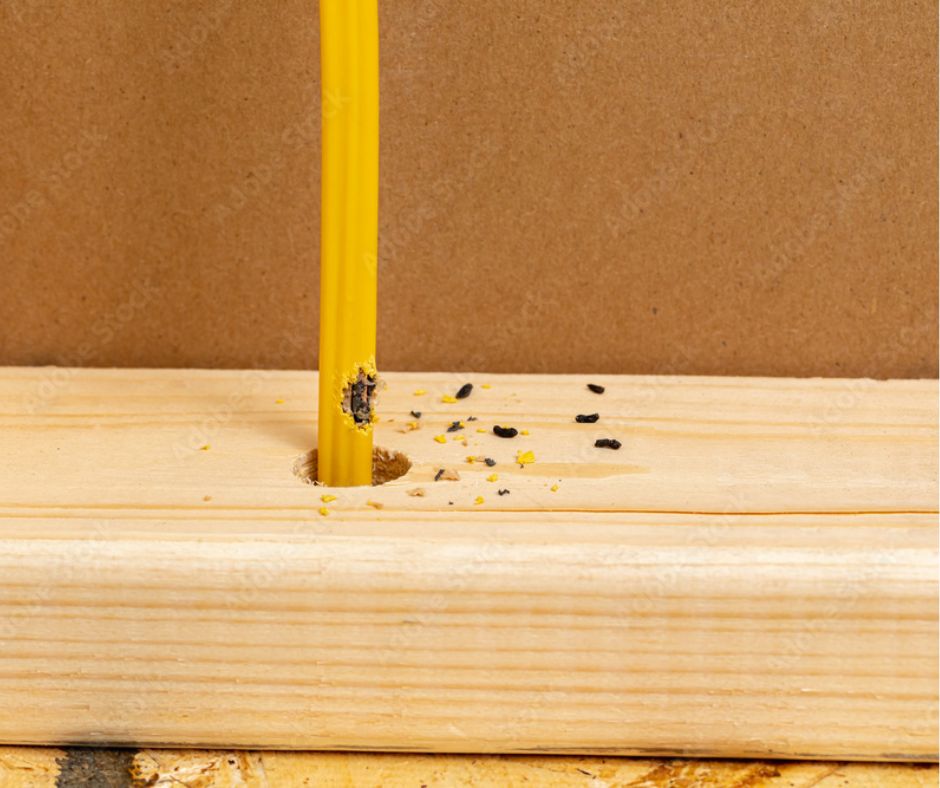
Pests living inside walls may eventually create visible damage.
Rodents, in particular, chew through drywall, wood, and insulation to expand their nesting areas or move between rooms.
Signs to look for include:
Small holes in drywall
Chewed baseboards
Damage around electrical outlets
Gaps forming near cabinets or flooring
Mice and rats have powerful teeth that grow continuously, which is why they constantly gnaw on materials to keep them trimmed.
Even small openings can allow pests to move from inside walls into kitchens, pantries, and other living spaces.
Unpleasant or Musty Odors
Another indicator of pests living inside walls is a strange or persistent odor.
Rodents and insects leave behind droppings, urine, and nesting materials that can produce strong smells over time.
Homeowners may notice:
A musky odor in certain rooms
A foul smell near walls or cabinets
Persistent odors that seem to come and go
In more severe infestations, the smell may become stronger as pest activity increases.
Sometimes odors also appear when pests become trapped or die inside wall cavities.
Because these spaces are enclosed, smells can linger longer than they would in open areas of the home.

Increased Pest Sightings Indoors
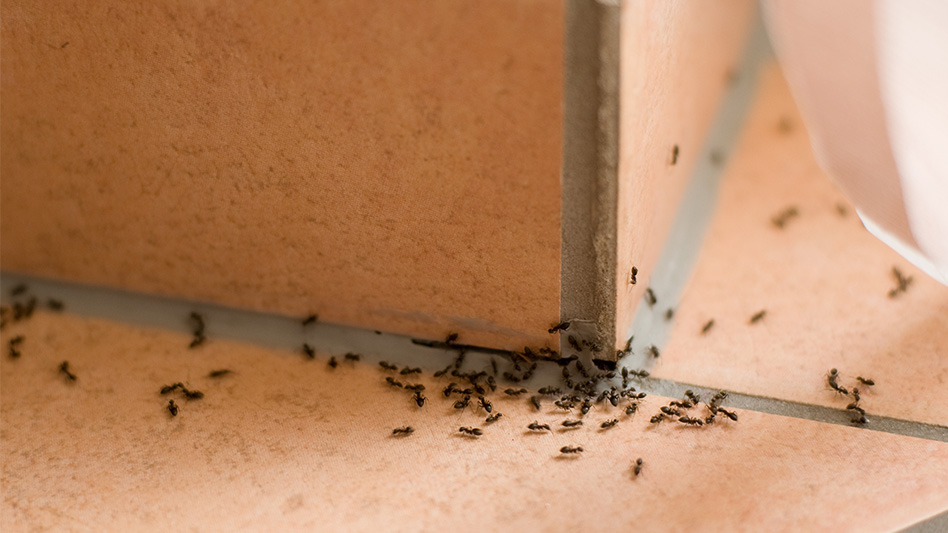
Seeing more pests than usual can be a sign that an infestation is growing behind your walls.
If pests are nesting inside wall cavities, they will often emerge into living areas in search of food and water.
Homeowners may notice:
Ant trails along baseboards
Cockroaches appearing at night
Mice running along walls
Spiders appearing more frequently
While seeing one insect occasionally is normal, repeated sightings in the same areas may indicate a hidden nesting site nearby.
Walls provide convenient pathways for pests to travel between rooms without being seen.
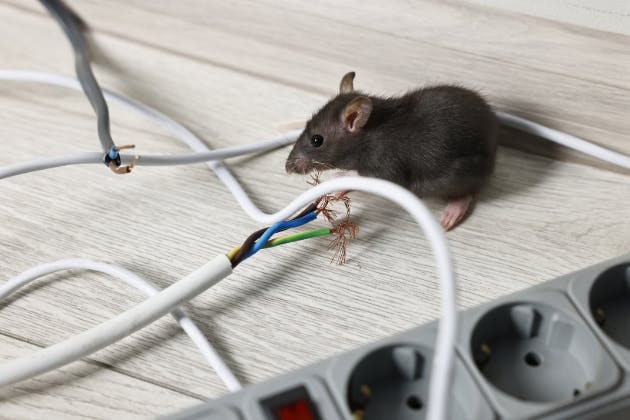
Electrical Problems or Chewed Wires
Rodents frequently chew on electrical wiring inside walls.
This behavior is extremely dangerous because it can damage electrical systems and increase the risk of house fires.
Signs of wire damage may include:
Flickering lights
Outlets that stop working
Burnt electrical smells
Circuit breakers tripping unexpectedly
If electrical problems occur along with scratching noises or pest sightings, rodents may be responsible.
Professional inspections are important in these cases because damaged wiring can create serious safety hazards.
Pest Activity Near Baseboards or Vents
Walls connect directly to other parts of the home, including crawl spaces, attics, and utility openings.
Because of this, pests often travel along baseboards, floor edges, and ventilation openings.
You might notice:
Small droppings along walls
Grease marks where rodents travel
Ants entering through tiny cracks
Insects appearing near vents or outlets
These areas act like highways for pests moving between hidden nesting areas and open living spaces.
Even small gaps around pipes, vents, or wiring can allow pests to enter walls and move throughout the structure.
Why Walls Are Attractive to Pests
Wall cavities provide ideal conditions for many types of pests.
Inside walls, pests are protected from weather, predators, and human activity. These spaces also provide insulation and warmth during colder months.
Common pests that hide inside walls include:
Mice and rats
Carpenter ants
Cockroaches
Termites
Spiders
In the Pacific Northwest, moisture and wood construction make homes especially vulnerable to pests seeking shelter.
Because many homes in Tacoma, Olympia, and surrounding communities have crawl spaces and wooden framing, pests can easily move upward into walls after entering beneath the home.
Why Professional Inspections Are Important
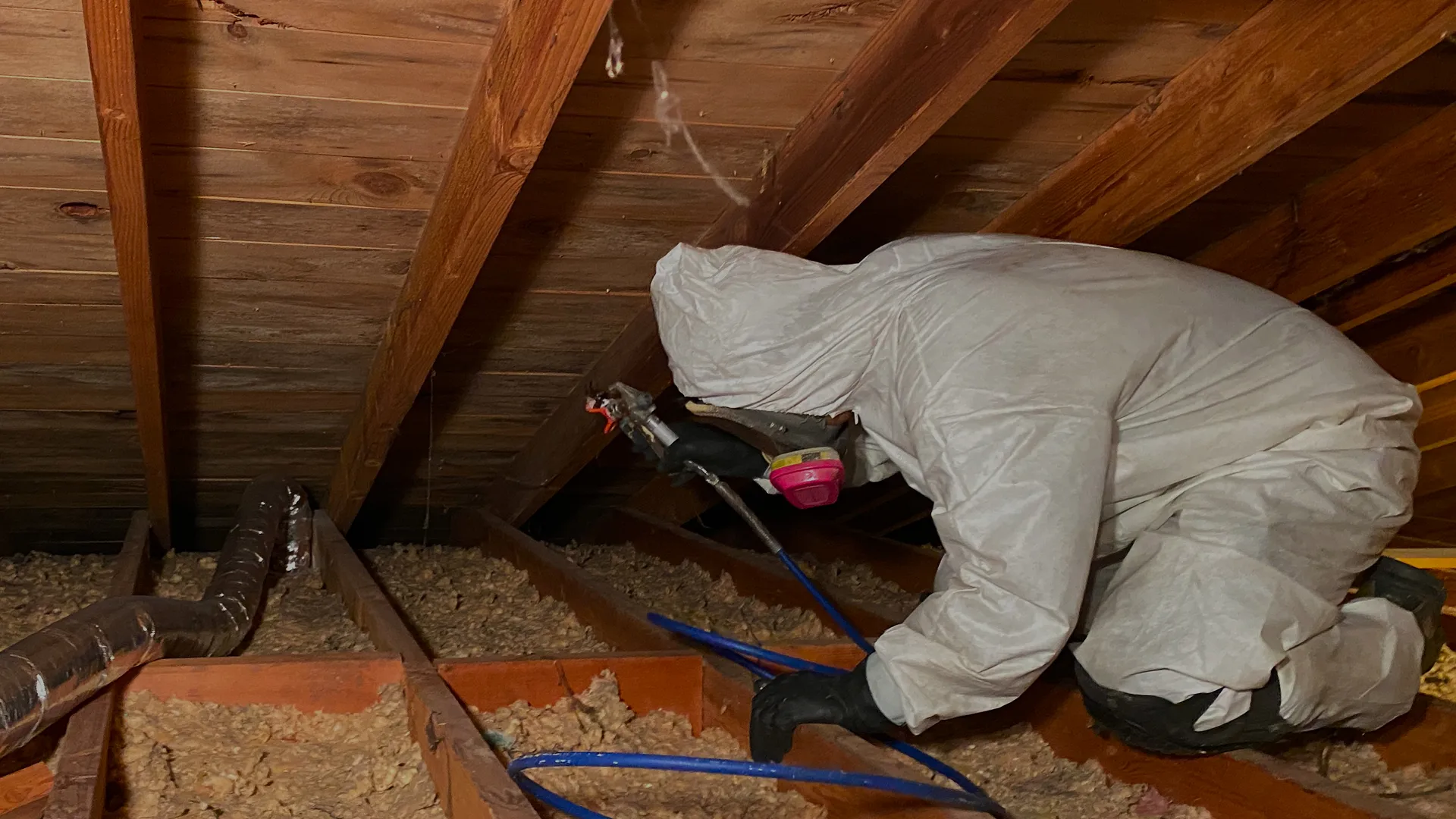
When pests live inside walls, they are difficult to eliminate without professional tools and expertise.
Treating only the visible pests rarely solves the problem because the nesting site remains hidden.
Professional pest inspections focus on identifying the root cause of infestations by examining:
Crawl spaces
attic areas
foundation gaps
roofline openings
plumbing and utility entry points
By locating the source of pest activity, technicians can apply targeted treatments and seal entry points to prevent future infestations.
Protecting Your Home from Hidden Pest Infestations
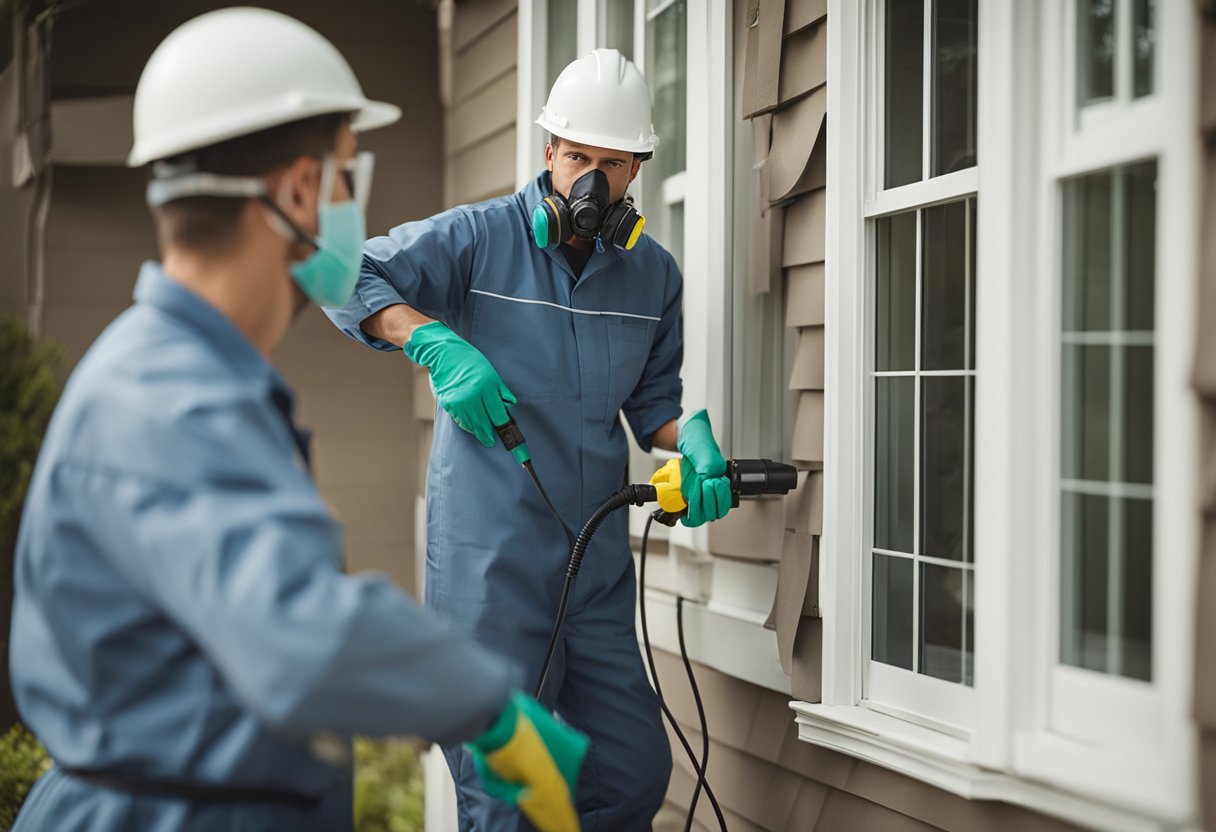
Preventing pests from entering wall cavities begins with proper maintenance and early detection.
Homeowners can reduce the risk of infestations by:
Sealing cracks around the foundation
Repairing damaged vents and screens
Keeping food stored in airtight containers
Reducing moisture around the home
Scheduling regular pest inspections
Because many infestations begin out of sight, routine inspections are often the best way to detect problems before they spread.
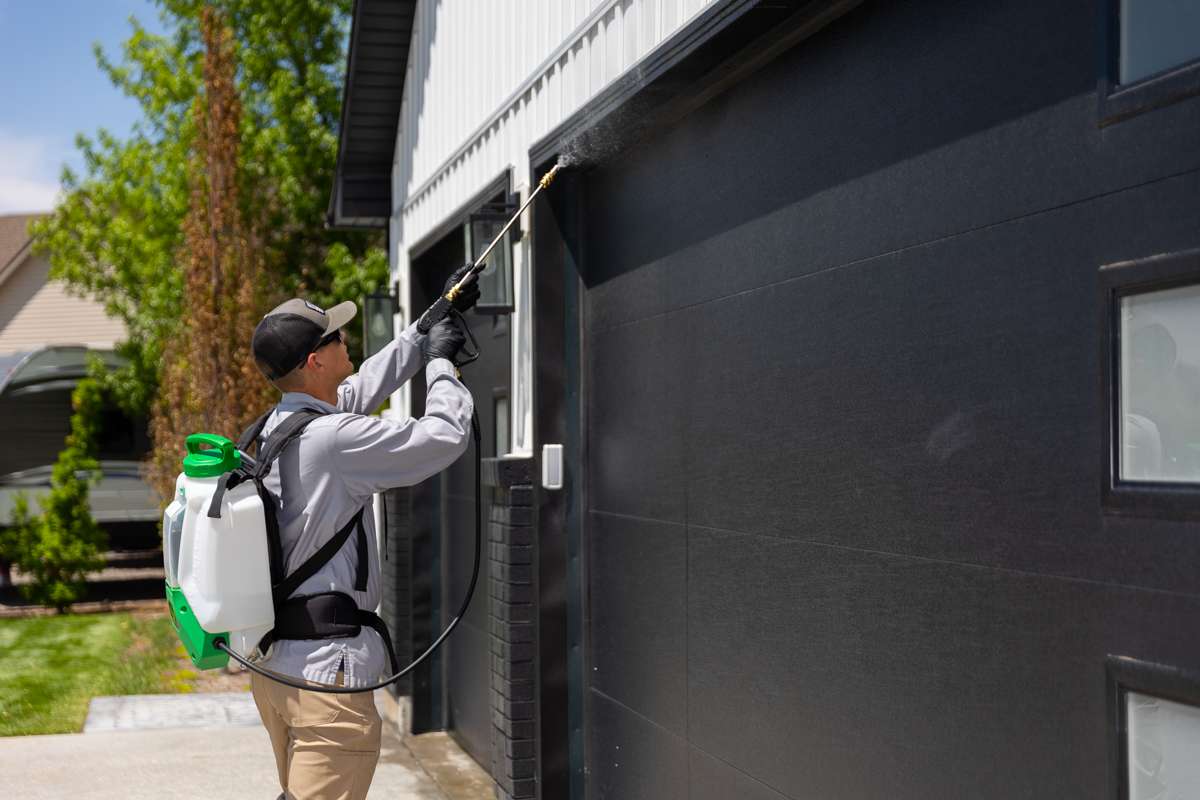
Professional Pest Control in the Puget Sound Region
At All-Shield Pest Control, we specialize in identifying hidden pest activity and protecting homes throughout the Puget Sound region.
Our inspections focus on locating entry points, nesting areas, and environmental conditions that attract pests. Once the source is identified, we implement targeted treatments designed to eliminate infestations and prevent them from returning.
If you suspect pests may be living inside your walls, addressing the problem early can help protect your home and avoid costly damage.