
The Outdoor Areas Around Your Home That Pests Notice First
Your Yard Makes the First Impression
When homeowners think about pest problems, they often focus on what is happening inside the house.
However, pests rarely begin their journey indoors.
Long before rodents, ants, spiders, or other pests enter a home, they spend time exploring the property from the outside. They are constantly searching for food, water, shelter, and safe pathways. Every yard, garden, roofline, and foundation presents clues that help pests decide whether a property is worth investigating.
In Tacoma and throughout the Puget Sound region, moisture, mature landscaping, and seasonal weather create environments where pests can thrive if the conditions are right.
Understanding what pests notice first around your home can help you reduce the chances of an infestation before it begins.
Landscaping Creates the First Layer of Shelter
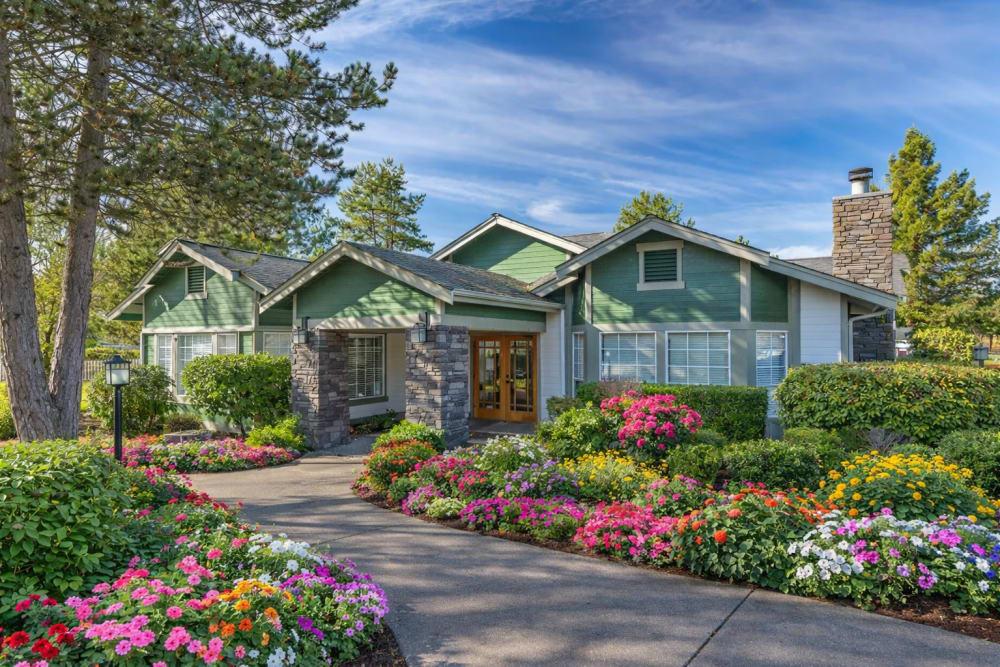
Beautiful landscaping adds curb appeal, but it can also provide excellent shelter for pests.
Dense shrubs, ornamental grasses, and ground cover plants create shaded areas where moisture remains longer after rain. These protected spaces allow insects and rodents to stay hidden while remaining close to your home.
Common landscaping features that may attract pests include:
Overgrown shrubs
Thick ground cover
Mulch beds
Decorative rock borders
Dense flower beds
Well-maintained landscaping is not a problem by itself. The goal is to prevent vegetation from creating hidden pathways directly against the home's exterior.
Foundations Are Constantly Being Explored
The foundation is one of the first places many pests investigate.
Small cracks, expansion joints, utility penetrations, and crawl space vents all represent potential opportunities to enter a home.
Even if these openings appear insignificant to homeowners, they may be large enough for insects or rodents to use.
Walking around your home's foundation periodically can help identify:
Small gaps
Damaged vents
Cracked concrete
Areas where soil has settled
Moisture accumulation
The earlier these conditions are identified, the easier they are to address.
Gutters and Rooflines Can Become Hidden Highways
Many homeowners rarely think about their gutters until they become clogged.
Unfortunately, gutters often collect leaves, pine needles, and organic debris that hold moisture and create attractive environments for pests.
Rooflines also become more accessible when:
Tree branches hang overhead
Vines grow against the siding
Gutters overflow
Debris accumulates along roof edges
Rodents, insects, and other pests often use these elevated areas to move around the home without being noticed.
Keeping gutters clean and trimming nearby branches can help reduce these access routes.
Trees Can Bring Pests Closer to the Home
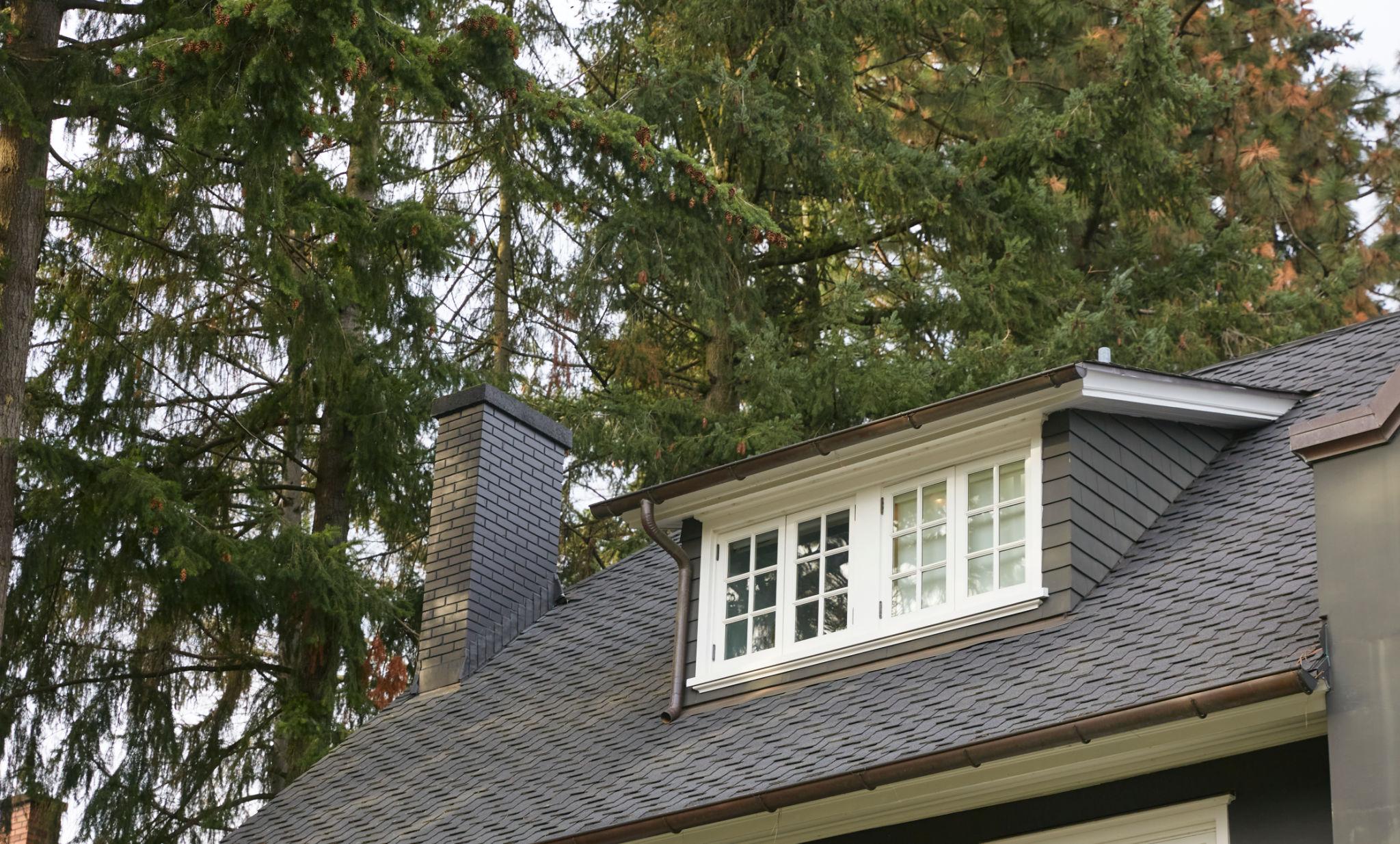
Trees are one of Tacoma's greatest natural features, but they can also influence pest activity.
Large trees provide:
Shade
Moisture retention
Nesting locations
Natural travel routes
When branches extend over the roof or touch the structure, they may create direct pathways for rodents and certain insects.
Trees themselves are not the problem. Instead, it is how they interact with the home that matters most.
Maintaining proper clearance between branches and the roof can help reduce opportunities for pests to reach upper portions of the house.
Moisture Around the Home Is a Major Attraction
Water is one of the most important resources pests look for.
After Tacoma's frequent rainfall, moisture often lingers in:
Mulch beds
Shaded side yards
Poorly drained areas
Crawl space entrances
Foundation landscaping
Persistent dampness creates favorable conditions for many pests, including ants, rodents, cockroaches, and moisture-loving insects.
Improving drainage and allowing outdoor areas to dry more efficiently can significantly reduce pest pressure.
Outdoor Storage Can Create Hidden Nesting Areas
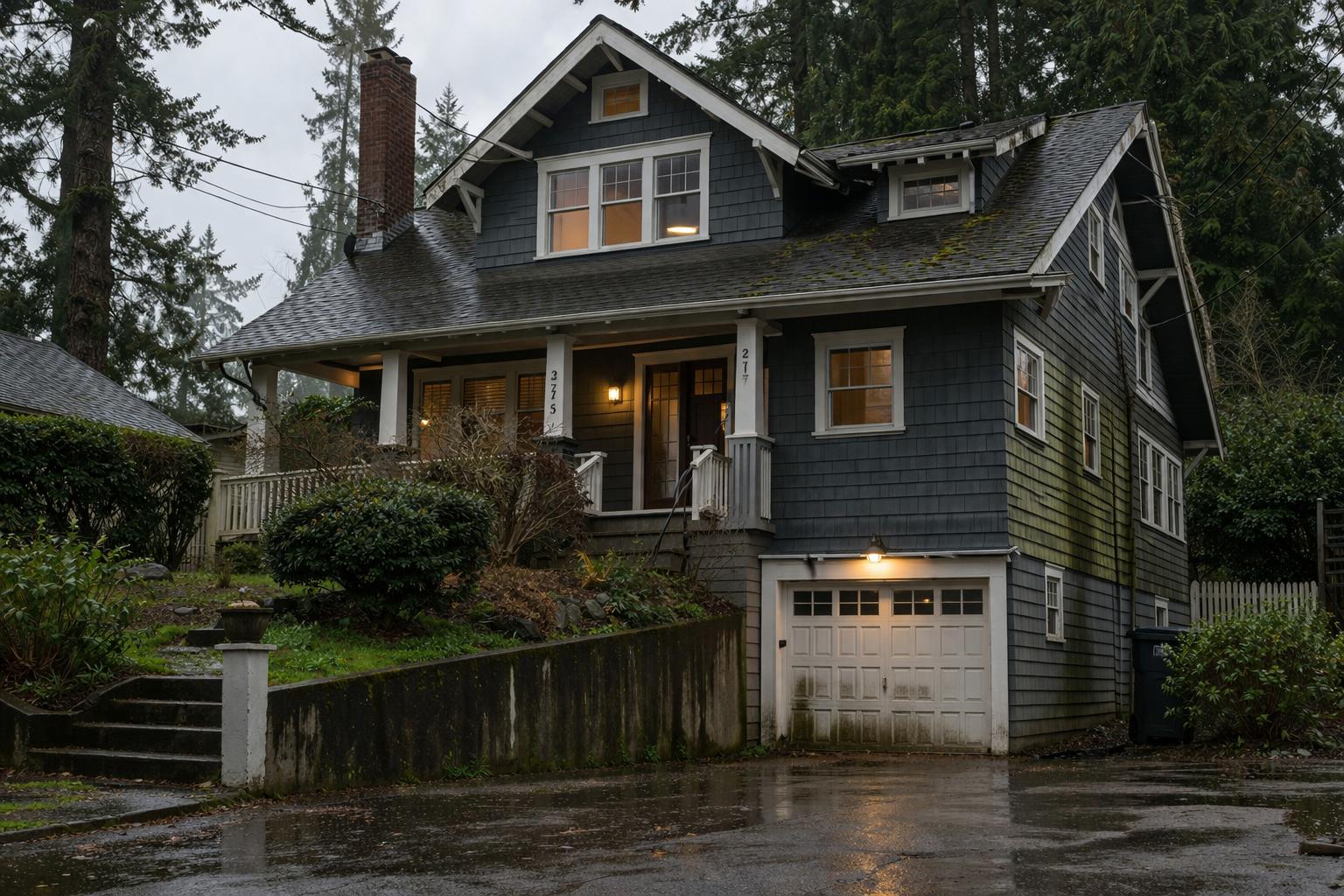
Items stored outside often provide ideal shelter.
Examples include:
Firewood stacks
Storage bins
Garden supplies
Building materials
Unused outdoor furniture
When these items remain undisturbed for long periods, pests may begin nesting underneath or behind them.
Whenever possible, store materials away from the home's exterior and keep storage areas organized.
Exterior Lighting Can Attract Insects
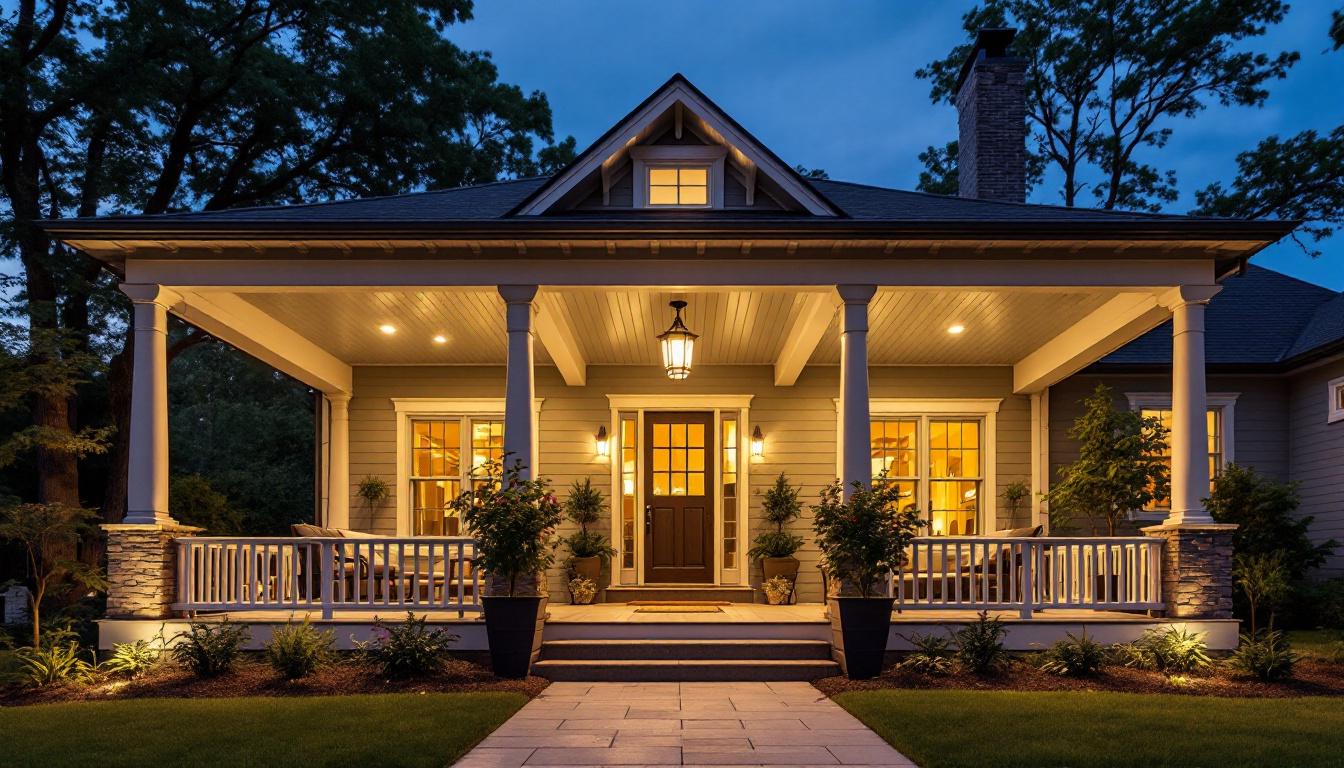
Outdoor lighting improves safety and visibility, but it can also attract flying insects during the evening.
As insects gather around lights, spiders and other predators often follow.
Homeowners may notice increased insect activity around:
Porch lights
Garage lights
Entryways
Deck lighting
Choosing warm-colored outdoor lighting and keeping fixtures clean may help reduce insect attraction.
Why Regular Walks Around Your Property Matter
One of the simplest ways to prevent pest problems is by regularly walking around your home.
Looking at the property from the perspective of a pest can reveal conditions that are easy to overlook during everyday routines.
Watch for:
Branches touching the roof
Leaf buildup
Standing water
Foundation gaps
Dense vegetation
Damaged vents
Overflowing gutters
Small maintenance tasks completed throughout the year often prevent much larger pest problems later.
Small Outdoor Changes Can Make a Big Difference
The outdoor areas surrounding your home are constantly influencing pest activity.
Landscaping, moisture, trees, foundations, gutters, and storage areas all play a role in determining whether pests view your property as a suitable place to live.
For Tacoma homeowners, understanding these environmental factors is one of the most effective ways to reduce pest pressure before insects or rodents ever make it indoors.
By paying attention to the areas pests notice first, you can better protect your home throughout every season.
