What the First Cold Nights of Fall Can Change Around Your Home
Introduction: A Few Cold Nights Can Change More Than the Temperature
Fall in Tacoma does not arrive all at once.
Afternoons may still feel comfortable while nighttime temperatures begin dropping noticeably. Trees change color, leaves collect around yards, and wetter weather becomes increasingly common throughout the Puget Sound.
Those first colder nights can also change conditions around your home.
Pests respond to their environment. As temperatures fall, some may begin spending more time in protected areas where conditions are warmer, drier, or less exposed.
That does not necessarily mean there is suddenly a pest problem. It does mean that fall is a useful time for homeowners to pay closer attention to the places around their property that offer shelter.
Pests Respond to Changing Conditions
Pests do not need a calendar to know that fall has arrived.
They respond to changes in temperature, moisture, daylight, food availability, and shelter.
When nighttime temperatures begin falling, exposed areas of a yard can become less comfortable. Protected spaces around a home may offer more stable conditions.
Depending on the pest, these areas might include:
Beneath decks and porches
Garages
Crawl-space areas
Attics
Dense landscaping
Wall voids
Exterior gaps and openings
The important thing for homeowners is understanding that pest activity can shift even when nothing about the house appears to have changed.
Garages Can Become More Appealing
Garages create a natural transition between outdoor and indoor environments.
They are usually more protected than the yard but may still contain several ways for pests to investigate the space.
Small gaps around garage doors, weather stripping, corners, utility penetrations, and frequently opened doors can all deserve attention as temperatures cool.
Garages may also contain cardboard boxes, stored items, pet food, gardening supplies, or other materials that provide additional hiding places.
As fall progresses, keeping the garage organized and periodically checking the edges of doors and walls can make subtle changes easier to notice.
Crawl-Space Areas Offer Protection From the Weather
The area beneath a home naturally experiences different conditions from the yard above it.
Crawl spaces are shaded and protected from direct wind and rain. Depending on ventilation, drainage, and moisture conditions, temperatures beneath the home may also remain more stable than exposed outdoor areas.
That can make crawl-space entrances, vents, and nearby foundation areas worth including in a fall exterior check.
Look for changes around vent screens, openings, foundation edges, and landscaping close to the structure.
You do not necessarily need to enter the crawl space to notice useful clues. Sometimes the exterior perimeter tells you where closer attention may be needed.
Attics Can Feel Very Different From the Outdoors
While crawl spaces provide shelter below the home, attics can provide protected conditions above it.
As nights become colder, the temperature difference between an attic and the outdoors may become more noticeable.
Rooflines also contain many transitions that homeowners rarely inspect closely. Soffits, fascia, vents, roof intersections, and areas around trim can all change gradually due to weather and normal aging.
Nearby tree branches may also bring activity closer to the roof.
Fall is a good time to look upward occasionally and notice whether anything around the roofline appears different from earlier in the year.
Small Exterior Openings Can Become More Important
A small exterior gap may exist for months without attracting much attention.
Then environmental conditions change.
When exposed outdoor spaces become colder or wetter, protected openings can become more interesting to pests searching for shelter.
These openings may occur around:
Utility lines
Exterior pipes
Door frames
Siding transitions
Foundation vents
Roof edges
Exterior trim
The goal is not to assume every small opening contains pests. Instead, homeowners can use fall as a reminder to look for visible changes around common exterior transition points.
Fall Leaves Can Create New Sheltered Areas
Leaves are another important part of the seasonal change.
A few scattered leaves across a lawn are usually easy to see. The leaves that disappear beneath shrubs, decks, porches, stairs, and foundation landscaping are easier to overlook.
Once wet, leaf buildup can remain damp in shaded locations.
Those areas may offer moisture, cover, and protection from changing weather.
Regularly removing heavy leaf accumulation from directly around the home can also make the foundation and lower exterior easier to inspect.
When the edges of the house remain visible, changes are easier to notice.
Cooler Nights Can Make Indoor Sounds More Noticeable
Fall often means more time indoors, closed windows, and quieter evenings.
That can make unfamiliar sounds easier to hear.
Scratching, rustling, or movement inside walls or ceilings can have many possible causes, so a single sound should not automatically be treated as evidence of pests.
What matters is repetition.
If unusual sounds begin occurring consistently in the same area, particularly during quieter nighttime hours, it may be worth paying closer attention.
The location, frequency, and timing of a sound can provide useful information if the area eventually needs to be inspected.
Doors and Entryways Deserve a Seasonal Check
Exterior doors are used constantly, which makes gradual wear easy to miss.
Weather stripping can shift. Door sweeps can become damaged. Small gaps can appear near bottom corners. Leaves and debris can also accumulate around nearby steps or landscaping.
Try looking at exterior doors from both inside and outside.
If daylight is visible around an exterior door when it is closed, or if weather stripping appears damaged, that is worth noticing.
Garage entry doors, back doors, and less frequently used side entrances deserve the same attention as the front entrance.
Look at the Quiet Areas Around the Property
Some of the most useful fall checks involve areas homeowners rarely visit.
Think about the spaces behind outdoor storage, beside sheds, underneath stairs, along fence lines, beneath decks, and behind dense vegetation.
These areas may experience less sunlight and less disturbance than open parts of the yard.
As temperatures fall and rain becomes more frequent, their conditions can become increasingly different from the rest of the property.
Simply walking through these quieter areas occasionally can help homeowners recognize what is normal and notice when something changes.
Fall Pest Prevention Is Mostly About Awareness
Pest prevention does not always begin with finding a pest.
Often, it starts with understanding the conditions around your home.
The first colder nights of fall provide a useful reminder to look at the property differently. Check sheltered areas. Notice where leaves are accumulating. Look at doors, vents, rooflines, foundations, and utility openings.
You are looking for changes rather than assuming there is a problem.
A small maintenance issue is usually easier to address when it is first noticed than after it has been ignored for an entire season.

Every Tacoma Home Responds Differently to Fall
No two properties provide exactly the same environment.
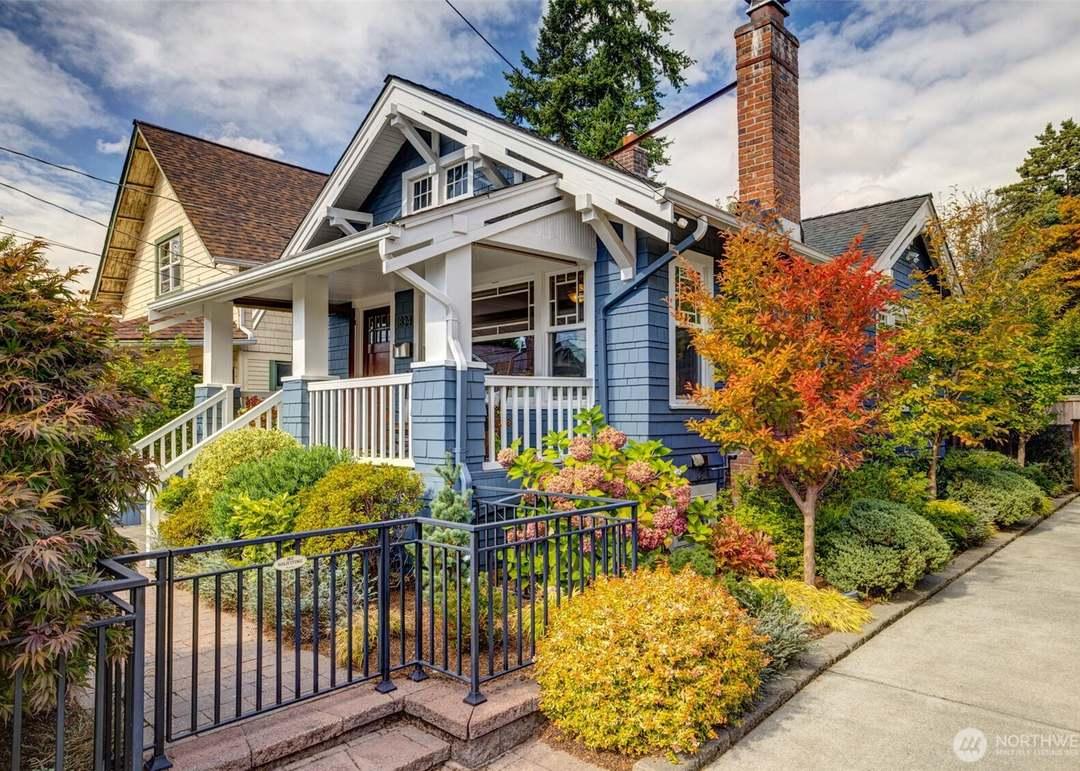
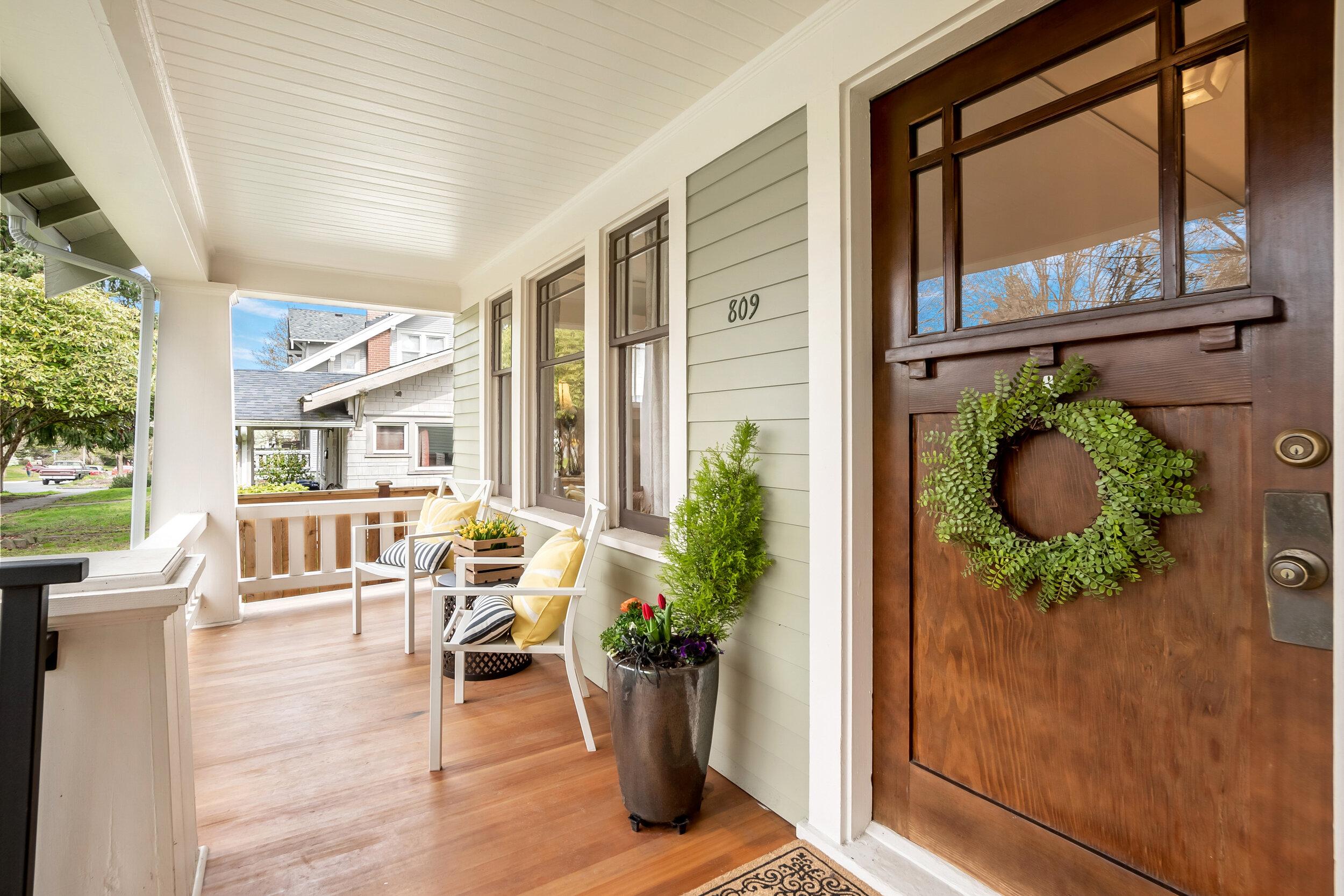
A Tacoma craftsman surrounded by mature trees may experience heavy leaf accumulation and branches close to the roof. Another home may have an open yard but a shaded side area that remains damp after rain.
Differences in landscaping, construction, drainage, sunlight, storage, and surrounding vegetation all affect conditions around a property.
That is why understanding your own home matters.
Knowing which areas tend to stay damp, collect leaves, or remain sheltered gives you a better idea of where to pay attention as the season changes.
Conclusion: Notice What Changes When the Nights Get Colder
The first cold nights of fall may seem like a small seasonal milestone, but they can change the environment around your home.
Outdoor areas become cooler. Leaves accumulate. Rainfall changes moisture conditions. Garages, crawl-space areas, attics, porches, and other protected spaces may provide more shelter than the exposed yard.
For Tacoma homeowners, October is a good time to walk around the property and notice what has changed since summer.
Look high around the roofline. Look low around the foundation. Check doors, vents, landscaping, and the quieter areas you normally walk past.
Sometimes effective fall pest prevention begins simply by noticing where the changing season is creating new places for pests to explore.
