
Why Attics Can Become More Attractive to Pests as the Weather Changes
Most homeowners rarely think about their attic unless they need to retrieve holiday decorations, check insulation, or investigate an unusual noise.
For pests, however, an attic can look very different.
It is elevated, protected from the weather, relatively quiet, and often undisturbed for long periods. As outdoor conditions change throughout the year, those qualities can make an attic increasingly attractive to rodents and other pests looking for shelter.
This is particularly relevant for homeowners in Tacoma and throughout the Puget Sound. Seasonal rain, cooler temperatures, wind, and changing food sources can influence where pests spend their time.
Understanding why attics become more appealing as conditions outside change can help homeowners recognize potential problems earlier.
Pests Respond to Changes in Their Environment
Pest activity is rarely completely random.
Animals and insects constantly respond to changes in temperature, moisture, shelter, and available food. When outdoor conditions become less comfortable, protected areas around homes may receive more attention.
An attic offers several advantages.
It can provide:
Protection from rain
Shelter from wind
More stable temperatures
Dark, quiet areas
Insulation and other nesting materials
Limited human activity
A pest does not understand that an attic is part of someone's home. It simply recognizes an environment that may provide protection.
As the seasons change, that protection can become increasingly valuable.
Cooler Weather Can Make Shelter More Important
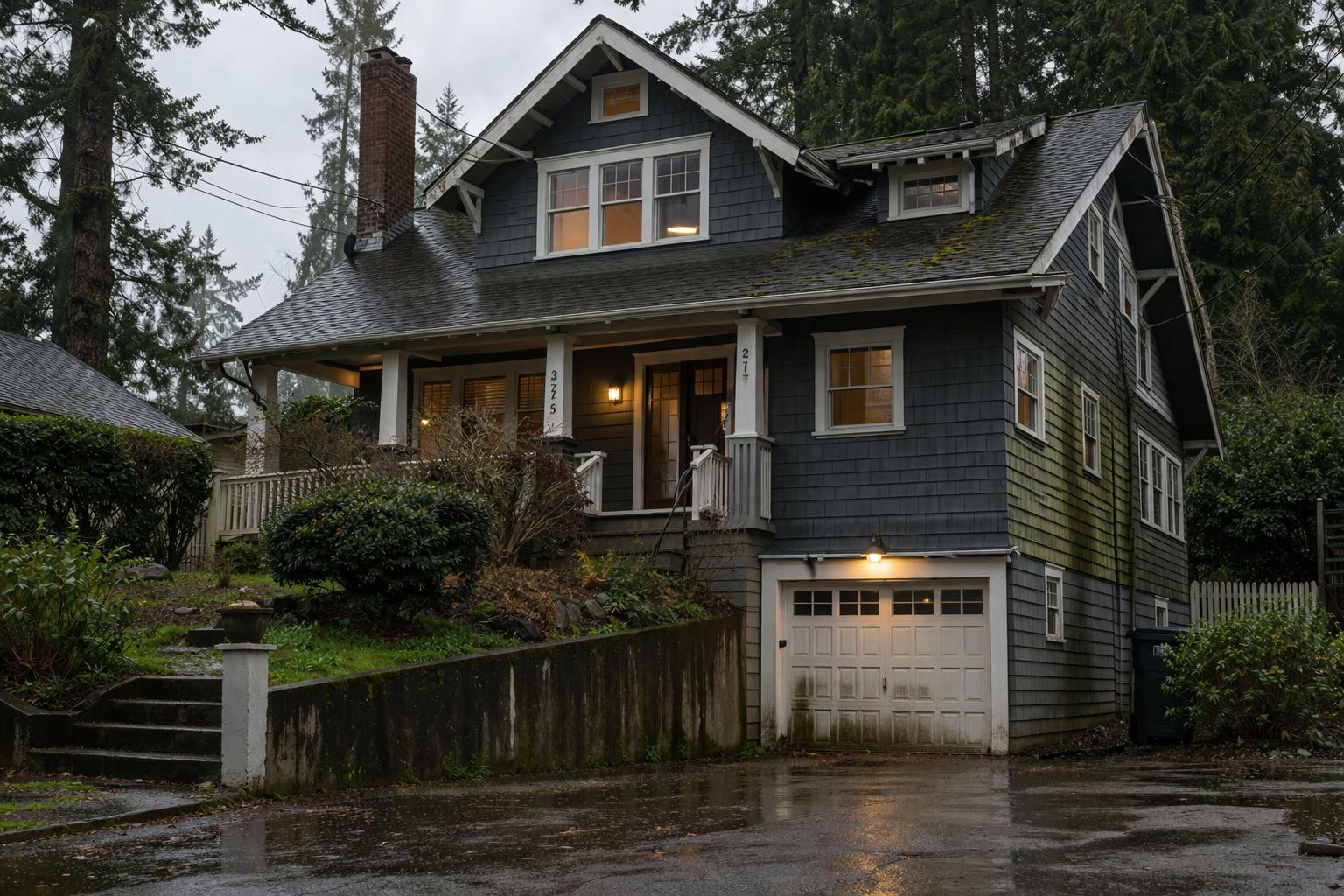
When temperatures begin dropping, people naturally spend more time indoors.
Pests also adjust their behavior.
Rodents in particular may begin searching for locations that offer better protection from cold, wind, and prolonged wet weather.
An attic can provide a relatively stable environment compared with an exposed yard, tree, fence line, or other outdoor hiding place.
This does not mean every attic will experience pest activity when temperatures fall. Instead, cooler weather can increase the importance of shelter, especially when a home already has accessible exterior openings.
Prevention therefore begins outside the attic itself.
Tacoma's Rain Can Change Outdoor Conditions
Temperature is only part of the story.
Rain can also influence where pests look for shelter.
Several days of wet Pacific Northwest weather can saturate soil, dampen vegetation, disturb outdoor nesting areas, and make exposed locations less comfortable.
Meanwhile, the attic remains relatively dry.
That contrast can make protected parts of a structure more attractive.
For Tacoma homeowners, this is one reason seasonal exterior inspections are valuable. Changes around the roofline may be difficult to notice from inside the house, but they can influence what eventually happens in the attic.
Rooflines Provide Numerous Areas to Inspect
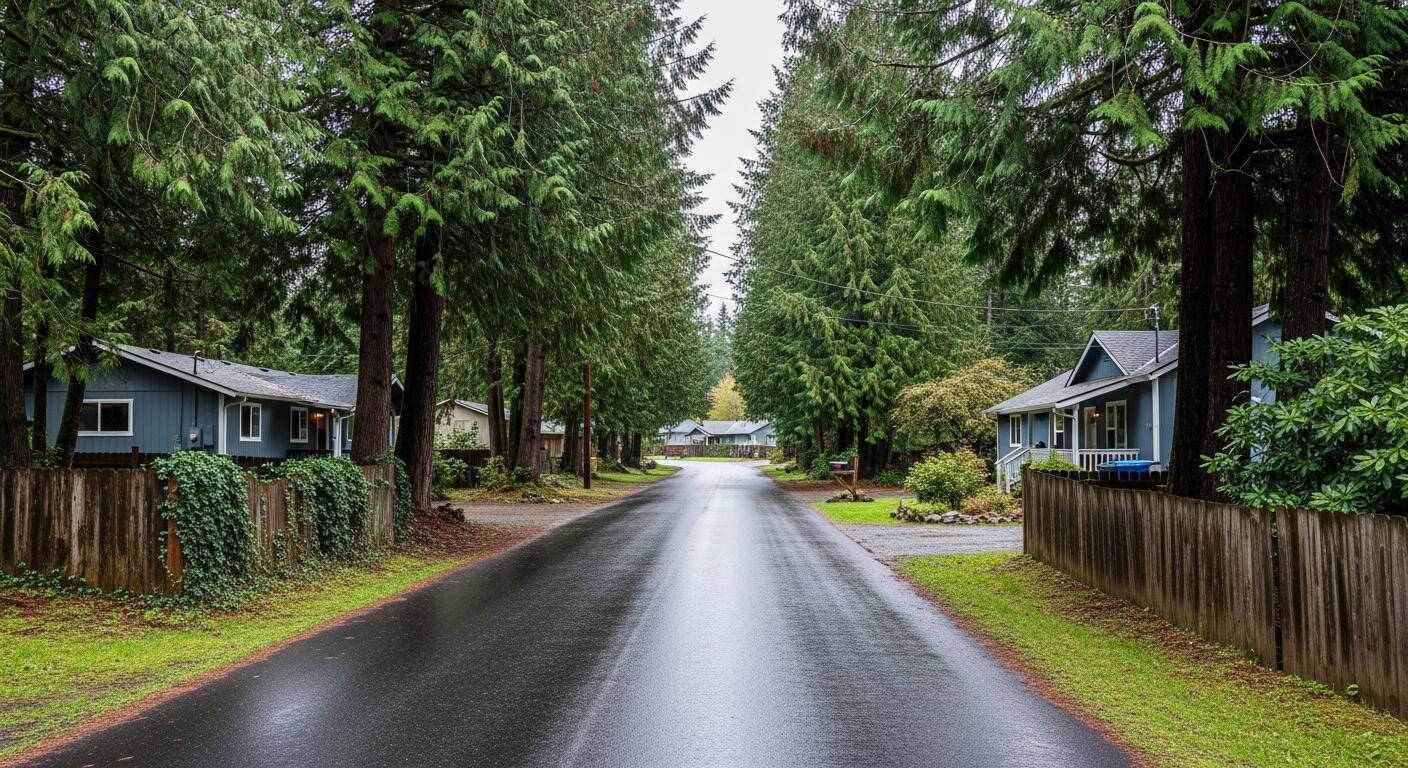
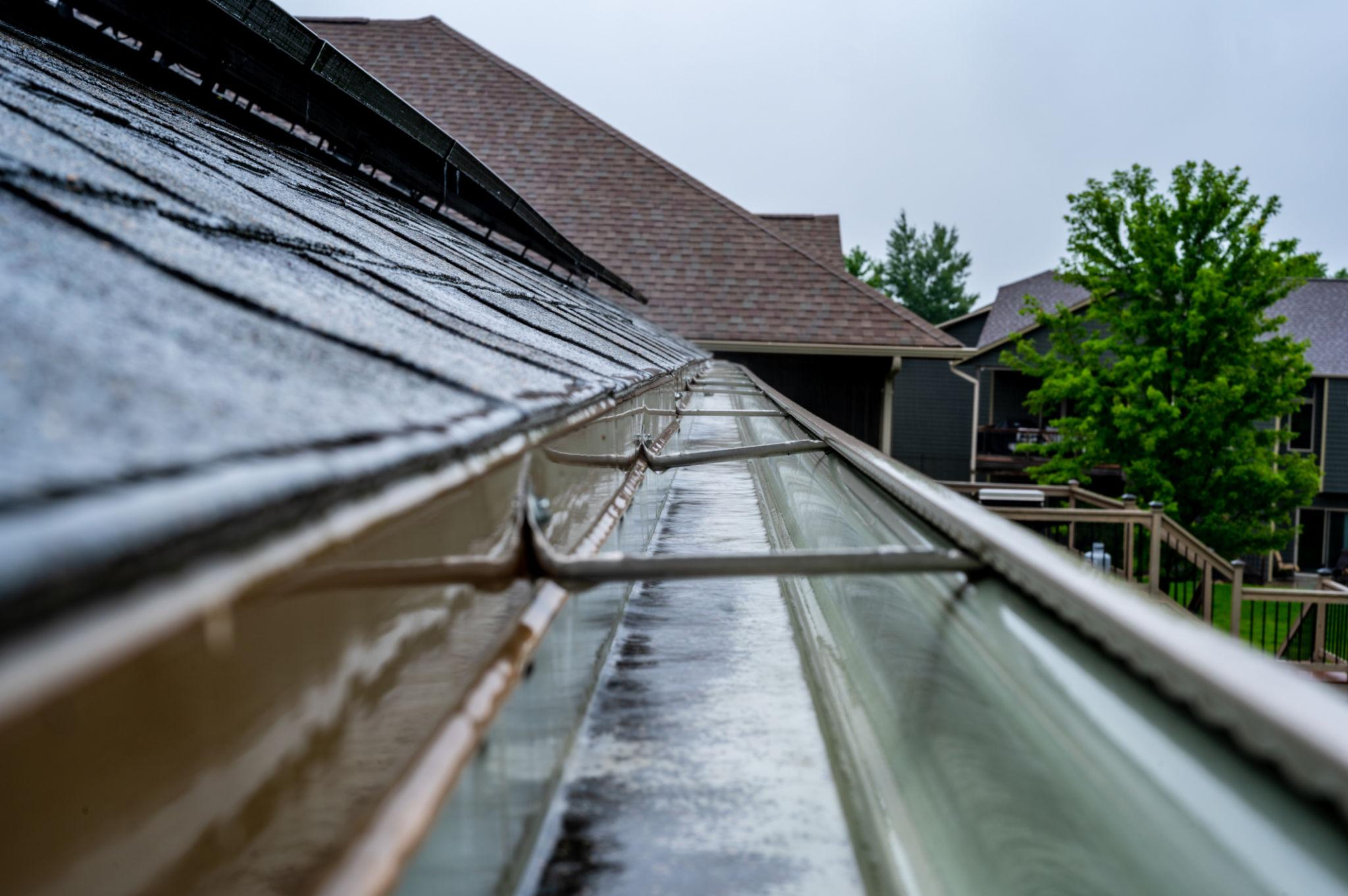
The roof is designed to protect your home from the elements, but it also contains many transitions and openings.
These can include:
Roof vents
Soffits
Fascia boards
Eaves
Gable vents
Chimney areas
Utility penetrations
Areas where different roof sections meet
Over time, weather exposure and normal aging can affect these materials.
A loose vent cover, damaged screen, small opening near an eave, or deteriorated section of trim may create an opportunity for pests to investigate.
Because these areas are high above eye level, small changes can easily go unnoticed from the ground.
Tree Branches Can Bring Activity Closer to the Roof
Mature trees are one of the features that make many Tacoma neighborhoods so beautiful.
They can also influence how wildlife moves around a property.
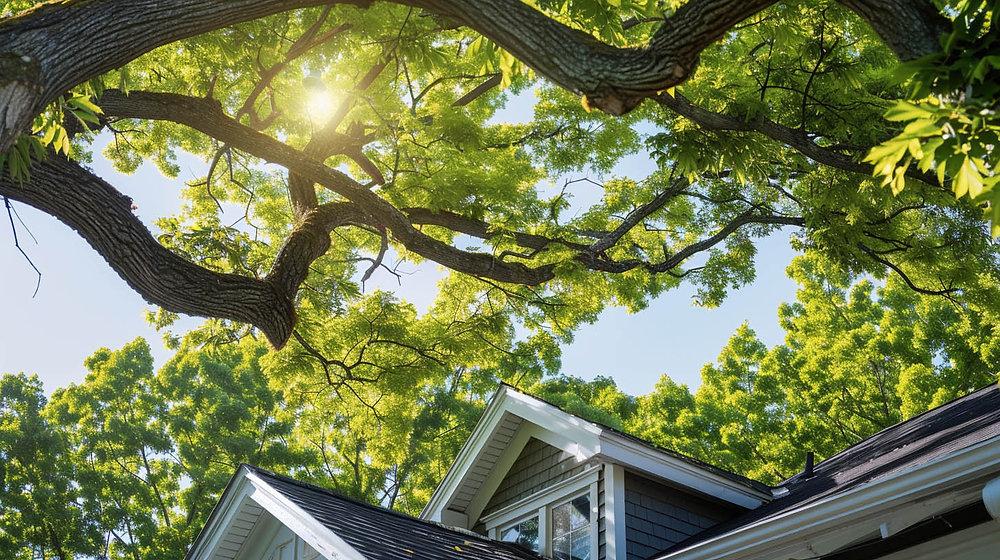
Branches extending close to a roof may provide a convenient route toward gutters, roof edges, and other elevated parts of a home.
Keeping branches appropriately maintained can help create separation between surrounding vegetation and the structure.
This is especially worth considering after storms or periods of rapid seasonal growth, when branches may shift or extend closer to the roof than they did previously.
Trees do not automatically create a pest problem, but their relationship to the home matters.
Attic Insulation Creates a Protected Environment
Once pests enter an attic, insulation can make the space even more appealing.
Insulation provides countless protected areas that remain largely undisturbed.
Rodents may move through or disturb insulation while exploring the attic. In some situations, homeowners may notice compressed insulation, displaced material, nesting debris, or other unusual changes.
This is one reason attic inspections can be useful even when there are no obvious signs of activity in living spaces.
An attic does not need to look dramatically damaged for something to have changed.
Subtle differences are often easier to recognize when you know what the space normally looks like.
Strange Sounds May Be More Noticeable at Night
One of the first signs homeowners sometimes notice is sound.
When the house becomes quiet at night, small noises above the ceiling may suddenly become easier to hear.
These might include:
Scratching
Light movement
Rustling
Gnawing
Repeated sounds from the same area
Not every attic noise is caused by pests. Building materials can expand and contract, wind can move exterior components, and tree branches can contact the structure.
However, recurring sounds in the same location may deserve closer attention.
Patterns are often more informative than a single isolated noise.
Look for Changes, Not Just Pests
You do not necessarily need to see an animal to recognize that something may be happening in the attic.
Small signs can sometimes provide more useful information.
Homeowners may notice:
Disturbed insulation
Small droppings
Damaged stored materials
Nesting debris
Gnaw marks
Unusual odors
Changes around vents or openings
The key is knowing what is normal for your attic.
An occasional inspection makes it easier to identify something that looks different from the last time you checked.
Seasonal Exterior Checks Can Make a Difference
Attic pest prevention often starts outdoors.
A simple visual inspection of the home at different times of year can help homeowners notice changes around the roofline before they become larger concerns.
Pay particular attention to:
Damaged or loose vents
Openings around eaves
Changes in soffits or fascia
Tree branches approaching the roof
Gaps around utility penetrations
Damaged exterior screens
Storm-related changes
Some roof areas should only be inspected safely from the ground or by an appropriate professional.
The goal is not to climb onto the roof. It is to become familiar with the exterior of your home and recognize when something has changed.
Every Home Has Different Attic Conditions
Two homes on the same Tacoma street can experience very different pest activity.
One may have mature trees close to the roof, while another has an open yard.
One attic may have numerous vents and roof transitions, while another has a simpler design.
Other differences can include:
Home age
Roof design
Tree coverage
Attic ventilation
Exterior maintenance
Nearby vegetation
Surrounding shelter
Seasonal weather exposure
That is why prevention works best when homeowners consider the specific characteristics of their own property.
Pay Attention to What Changes Above Your Home
Your attic may be one of the least frequently visited parts of your house, but it can become increasingly appealing to pests as conditions outside change.
Cooler temperatures, prolonged rain, nearby tree branches, quiet surroundings, and protected insulation can all influence how pests interact with the upper areas of a home.
For Tacoma and Puget Sound homeowners, seasonal awareness can make a meaningful difference.
Pay attention to roof vents, eaves, soffits, tree branches, attic insulation, and unusual sounds. Small changes are often easier to address when they are noticed early.
Your attic does not need constant attention. But checking it occasionally, especially as the seasons change, can help you better understand what is happening in one of the most hidden areas of your home.
