Why Homes Near Trees Often Experience More Pest Activity
Introduction: Trees Are Beautiful, But They Can Also Attract Pests
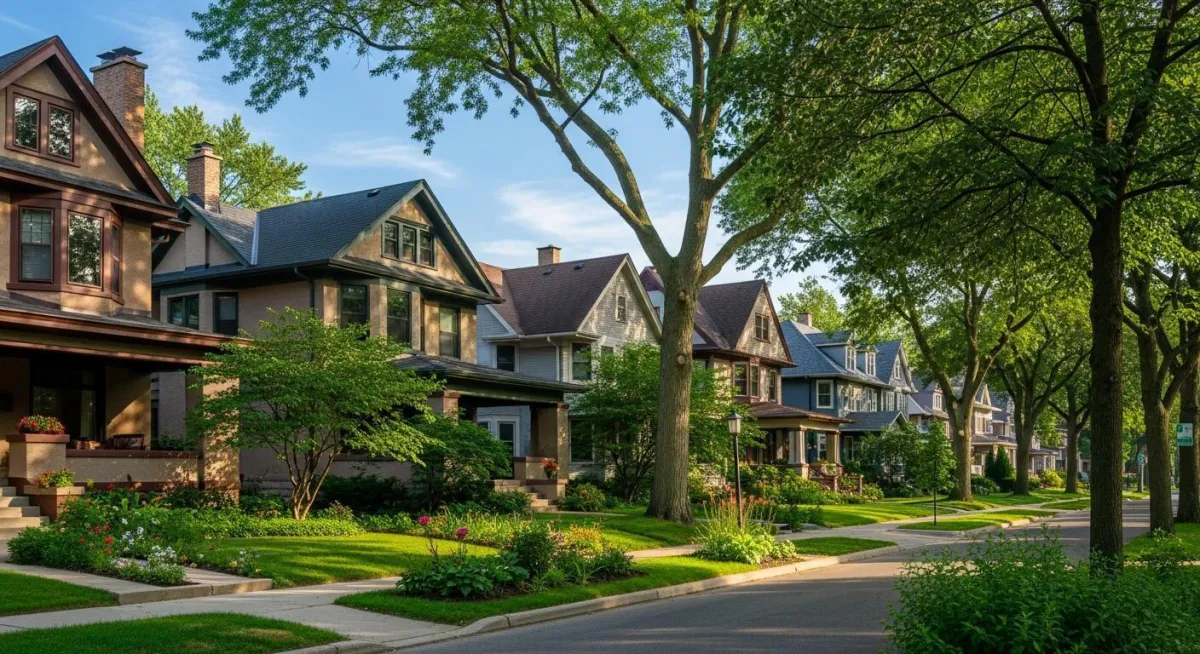
Many Tacoma homeowners love living among mature trees.
Tree-lined streets, shaded yards, and beautiful landscaping are part of what makes many neighborhoods throughout the Puget Sound region so appealing. Trees provide privacy, improve curb appeal, and help create the natural beauty that homeowners enjoy year-round.
However, trees can also contribute to increased pest activity around a home.
This does not mean homeowners should remove their trees. Instead, it is important to understand how trees influence the environment around a property and why certain conditions may make a home more attractive to pests.
For many Tacoma properties, trees create moisture, shelter, and access routes that pests actively seek out.
Why Trees Create Ideal Conditions for Pests
Pests need three basic things to survive:
Food
Water
Shelter
Areas with mature trees often provide all three.
Trees create shaded environments that stay cooler and retain moisture longer than open spaces. Fallen leaves, bark, branches, and organic debris provide shelter for insects and small animals. Tree roots and surrounding vegetation also create protected nesting locations.
As these conditions develop around a property, they can support larger pest populations close to the home.
The more suitable the environment becomes, the more likely pests are to remain nearby and eventually move toward the structure.
Shade and Moisture Go Hand in Hand
One of the biggest factors linking trees and pest activity is moisture.
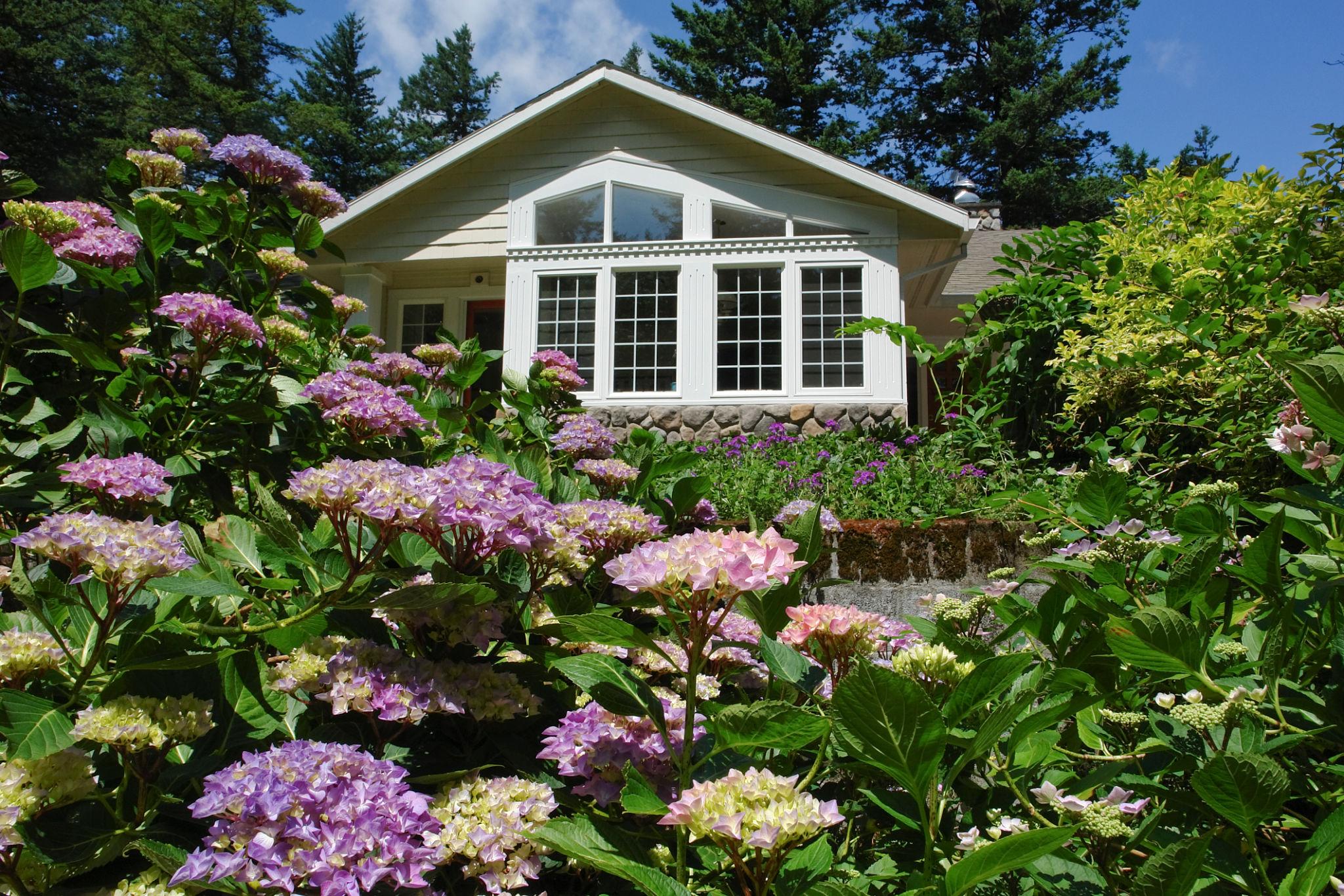
Homes surrounded by heavy tree coverage often receive less direct sunlight throughout the day. While this can help keep a property cooler during warmer months, it can also slow the drying process after rain.
As a result, homeowners may notice:
Damp soil
Wet mulch beds
Persistent moisture around foundations
Moss growth
Increased humidity around crawl spaces
Many pests thrive in these conditions.
Rodents, ants, spiders, and moisture-loving insects are all more likely to establish activity in areas where moisture remains present for extended periods.
In Tacoma's naturally damp climate, tree coverage can amplify these effects.
Tree Branches Can Create Direct Access to Your Home
Trees do more than influence the environment around a home. They can also create physical access points.
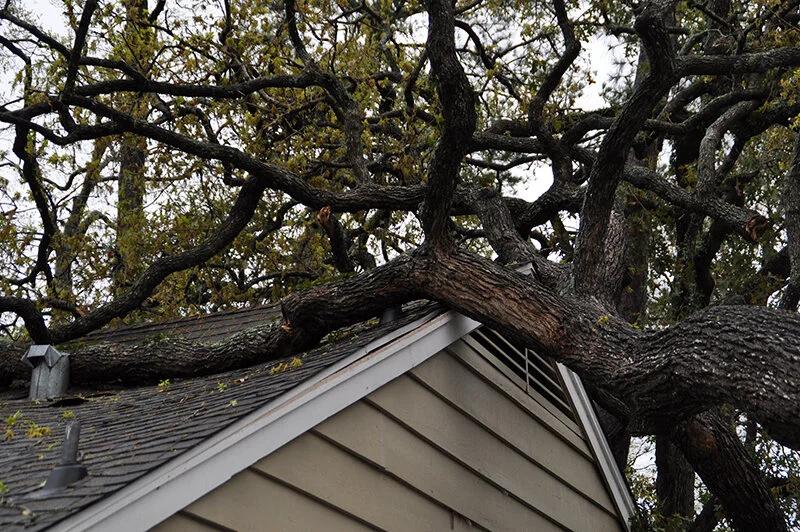
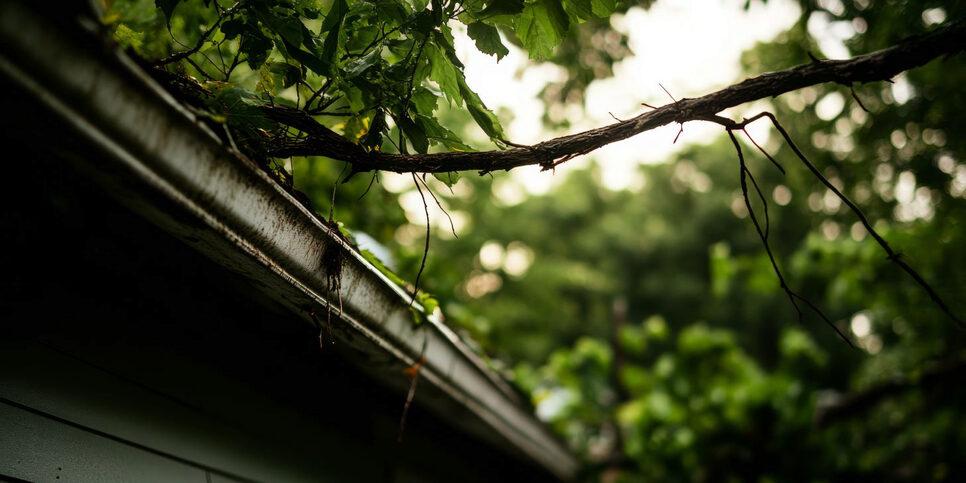
Overhanging branches often allow pests to move closer to a structure without ever touching the ground.
This is particularly important for:
Rodents
Squirrels
Ants
Certain insects
Branches that touch or hang close to the roof can act as bridges, allowing pests to access:
Attics
Roof vents
Eaves
Gutters
Upper siding
Once pests reach these areas, they may discover small openings that provide access to the interior of the home.
This is one reason homes with significant tree coverage sometimes experience recurring pest problems even when the surrounding property appears well maintained.
Fallen Leaves and Organic Debris Create Hiding Places
Trees naturally shed leaves, needles, bark, and small branches throughout the year.
When this material accumulates around a property, it creates ideal shelter for many pests.
Common problem areas include:
Leaf piles
Mulch beds
Landscaping borders
Foundation edges
Areas beneath shrubs
These locations often stay damp after rain and provide protection from weather and predators.
Over time, pest populations may begin establishing activity close to the home's exterior.
The closer pests remain to the structure, the more opportunities they have to find entry points.
Tree Roots and Landscaping Support Pest Activity
The area surrounding mature trees often contains additional vegetation, ground cover, and landscaping features.
These environments provide:
Shelter
Moisture retention
Nesting opportunities
Protection from disturbance
Dense landscaping can make it difficult to spot pest activity early.
Rodent burrows, ant colonies, and insect nesting sites may remain hidden for long periods beneath vegetation or ground cover.
As a result, homeowners may not notice a problem until pests begin moving closer to the home itself.
Crawl Spaces Are Especially Vulnerable
Many Tacoma homes are built with crawl spaces, making moisture management especially important.
Tree-covered properties often experience:
Increased shade around crawl space vents
Slower drying conditions
Higher humidity levels
Greater organic debris accumulation
These conditions can create an attractive environment for pests beneath the home.
Once activity begins in a crawl space, pests can move into:
Wall voids
Utility openings
Insulation areas
Structural spaces
This is often where homeowners first begin hearing scratching sounds or noticing signs of hidden pest activity.
Signs Trees May Be Contributing to Pest Problems
Not every tree-covered property will experience pest issues, but there are several signs homeowners should pay attention to.
These include:
Branches touching the roof
Excessive leaf buildup
Moss growth near the foundation
Damp mulch beds
Rodent activity near trees
Ant trails around landscaping
Persistent moisture around the home
Identifying these conditions early can help reduce the likelihood of future infestations.
How Homeowners Can Reduce Risk Without Removing Trees
Fortunately, homeowners can enjoy the benefits of mature trees while still reducing pest risks.
Helpful steps include:
Trimming branches away from the roof
Removing excess leaf buildup
Improving drainage around the property
Monitoring crawl space conditions
Keeping mulch away from the foundation
Maintaining clear space around the home
These simple measures can make a significant difference in reducing the conditions that attract pests.
Conclusion: Trees Are Part of the Environment Pests Love
Trees are one of Tacoma's most valuable natural features, but they can also create conditions that support pest activity.
Shade, moisture, organic debris, and direct access routes all contribute to increased pest pressure around many tree-covered homes.
Understanding how trees influence the environment around your property can help you identify potential risks and take preventative action before pests become a larger problem.
With proper maintenance and awareness, homeowners can continue enjoying Tacoma's beautiful tree-lined neighborhoods while reducing the likelihood of unwanted pest activity.
