
Why Small Exterior Changes Can Make a Big Difference in Pest Prevention
When homeowners think about pest control, they often picture what happens after pests have already made their way indoors.
In reality, one of the best opportunities to prevent an infestation happens outside the home.
Every day, rodents, ants, spiders, and other pests move through neighborhoods looking for places that provide food, water, shelter, and safe access. Before they ever enter a crawl space, attic, or wall void, they spend time exploring the exterior of nearby homes.
In Tacoma and throughout the Puget Sound region, the combination of frequent rainfall, mature landscaping, and mild temperatures creates an environment where pests remain active for much of the year.
Fortunately, homeowners do not always need to make major renovations to reduce pest activity. Often, a series of small exterior improvements can make a significant difference over time.
Your Landscaping Is the First Thing Pests Encounter
Landscaping plays an important role in both curb appeal and pest prevention.
Dense shrubs, ground cover, and decorative mulch create beautiful outdoor spaces, but they can also provide shade and protection for pests.
Keeping landscaping well maintained helps reduce the number of places where pests can hide close to your home.
Helpful maintenance includes:
Trimming shrubs away from exterior walls
Keeping mulch from directly touching the foundation
Removing excess leaf buildup
Pruning overgrown plants
Maintaining open airflow around the home
These simple steps make it more difficult for pests to remain hidden while exploring your property.

Trim Tree Branches Before They Become Pathways
Trees are one of Tacoma's most recognizable landscape features, but branches that extend too close to the roof can unintentionally create access routes.
Rodents, squirrels, and certain insects often use tree branches to reach:
Rooflines
Gutters
Attic vents
Eaves
Upper siding
Maintaining adequate clearance between trees and the home reduces opportunities for pests to reach elevated areas where entry points may exist.
Regular pruning also improves sunlight and airflow, helping outdoor surfaces dry more quickly after rain.
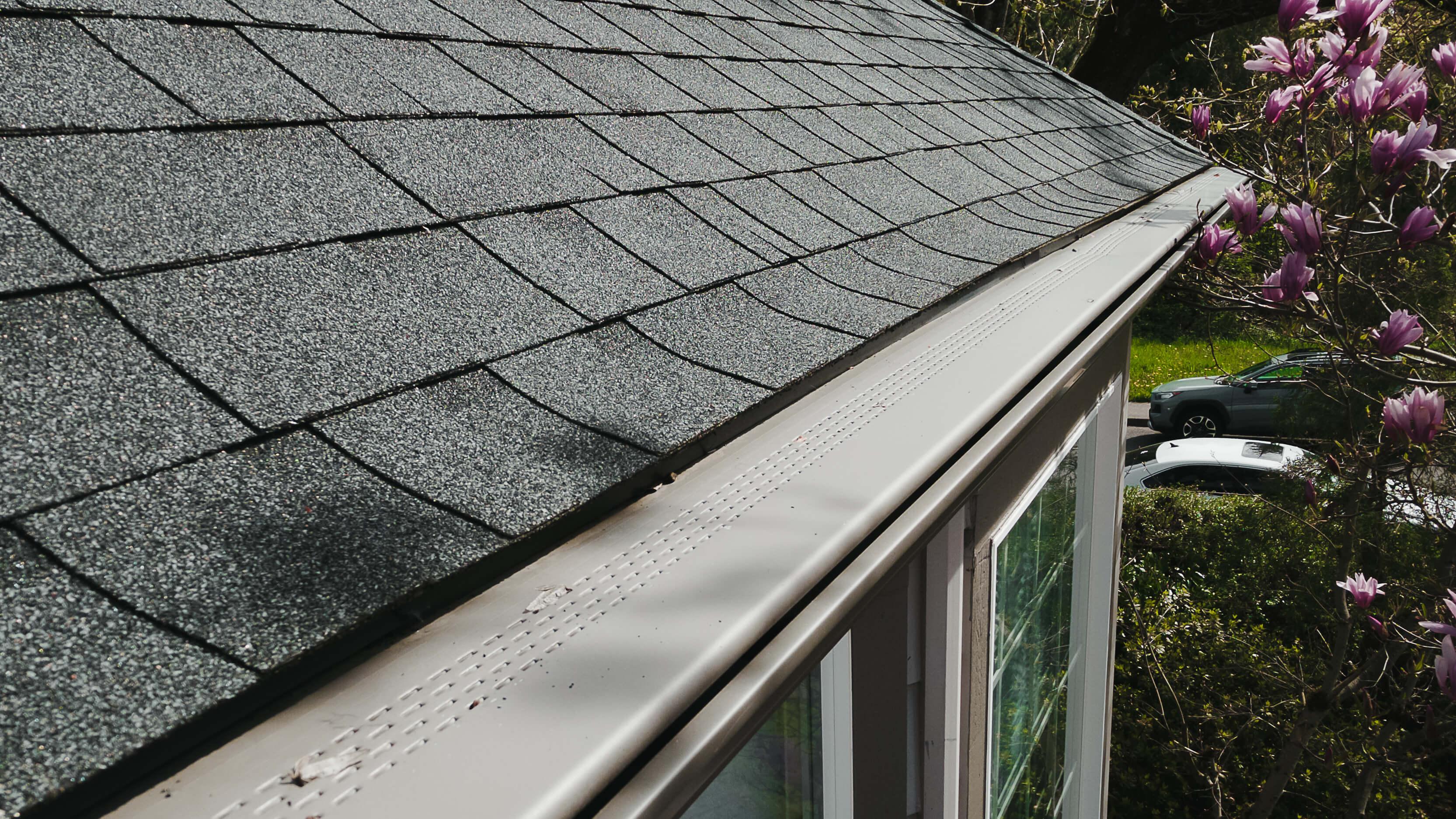
Keep Gutters Clean Throughout the Year
Gutters do much more than move rainwater away from your home.
When leaves, pine needles, and organic debris accumulate, gutters can trap moisture and create conditions that attract insects and other pests.
Overflowing gutters may also contribute to excess moisture around the foundation.
Cleaning gutters regularly helps:
Improve drainage
Reduce standing moisture
Prevent debris accumulation
Protect the foundation
Limit pest-friendly environments
Because Tacoma experiences frequent rainfall, gutter maintenance is especially important throughout the year.
Pay Attention to Your Foundation
The foundation is one of the most important barriers between your home and the outdoors.
Over time, normal settling and weather exposure can create:
Small cracks
Gaps around utility lines
Damaged vents
Areas where soil pulls away from the foundation
While these openings may seem insignificant, they can provide opportunities for pests to enter.
Taking time to inspect the foundation periodically allows homeowners to identify small issues before they become larger concerns.
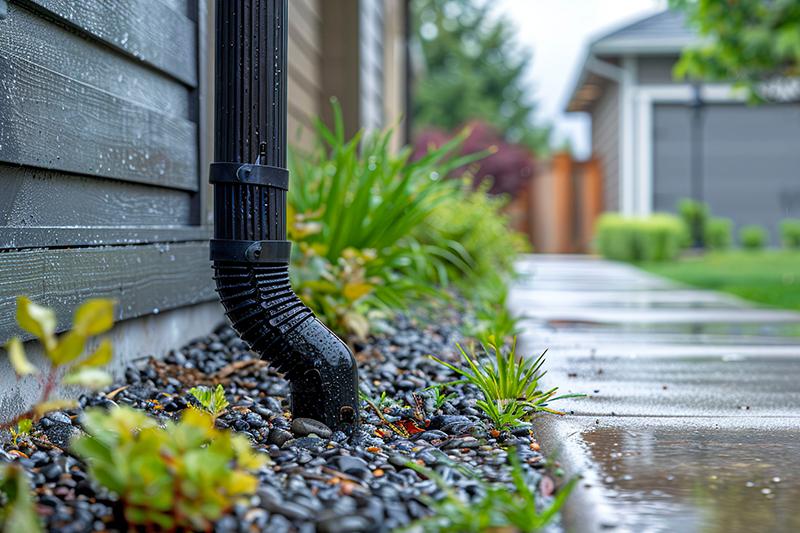
Improve Drainage Around the Home
Water is one of the strongest attractants for many pests.
After periods of rain, water should move away from the home efficiently.
Areas that deserve attention include:
Downspouts
Low spots in the yard
Foundation landscaping
Side yards
Crawl space entrances
Improving drainage helps reduce persistent moisture that attracts ants, rodents, cockroaches, and other pests commonly found in the Pacific Northwest.
Organize Outdoor Storage
Outdoor storage is often overlooked during pest prevention.
Items left undisturbed for long periods may become ideal hiding places.
Examples include:
Firewood
Storage bins
Lumber
Gardening supplies
Outdoor furniture
Keeping storage organized and away from the home's exterior reduces shelter opportunities while making it easier to notice signs of pest activity.
Walk Around Your Home Every Season
One of the easiest preventative habits homeowners can develop is performing a seasonal walk around the property.
Each season brings different environmental conditions that may influence pest activity.
During your inspection, look for:
Branches touching the roof
Standing water
Overgrown vegetation
Leaf buildup
Damaged weather stripping
Foundation gaps
Clogged gutters
Moisture near crawl space vents
Many pest problems begin with small exterior changes that are easy to overlook.
A simple walk around the home a few times each year can help identify these issues early.

Why Prevention Is More Effective Than Waiting
Many infestations begin quietly.
By the time homeowners notice scratching sounds, insect trails, or visible pests indoors, the conditions that attracted them have often existed outside for weeks or months.
Addressing the exterior environment early helps reduce the likelihood that pests will settle near the home in the first place.
This proactive approach not only supports long-term pest prevention but also helps protect the home's structure from moisture-related issues that often accompany pest activity.
Small Improvements Add Up Over Time
Protecting your home from pests does not always require dramatic changes.
Simple maintenance tasks like trimming branches, cleaning gutters, improving drainage, organizing outdoor storage, and maintaining landscaping all work together to create a less inviting environment for pests.
For Tacoma homeowners, these small exterior improvements are especially valuable because they address the moisture, vegetation, and seasonal conditions that naturally attract pests throughout the Puget Sound region.
By making exterior maintenance part of your regular home care routine, you can help reduce pest activity and protect your home throughout every season.
