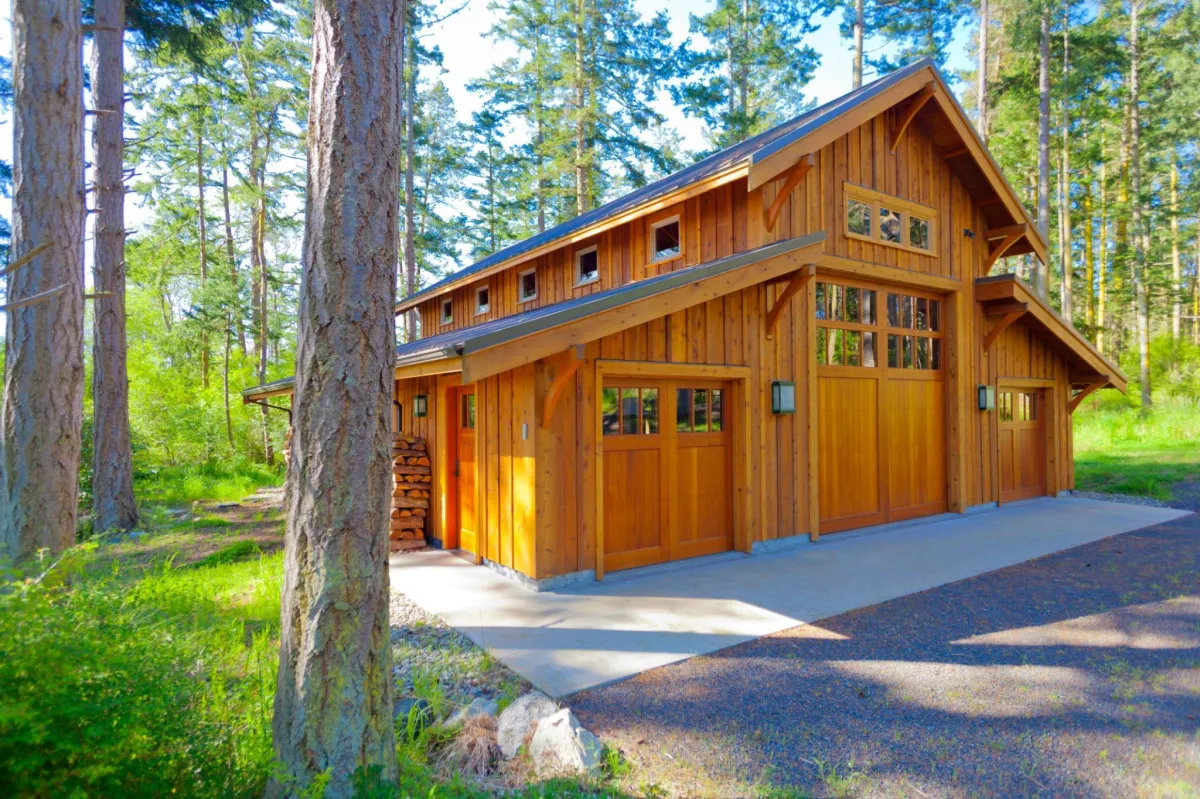
Why Some Tacoma Neighborhoods Experience More Pest Activity Than Others
Why Pest Problems Vary Across Tacoma
Have you ever wondered why one homeowner seems to battle pests year after year while another just a few blocks away rarely experiences issues?
The answer often has less to do with housekeeping habits and more to do with the environment surrounding the home.
Throughout Tacoma, certain neighborhoods naturally create conditions that are more attractive to rodents, ants, spiders, and other pests. Factors such as moisture levels, vegetation, home construction, and proximity to natural areas can all influence pest activity.
Because Tacoma sits within the moisture-rich Puget Sound region, some areas simply provide more opportunities for pests to thrive. Understanding these factors can help homeowners identify risks early and take steps to reduce the likelihood of future infestations.
Tacoma's Climate Creates Ideal Conditions for Pests
One of the biggest reasons Tacoma experiences ongoing pest activity is the local climate.
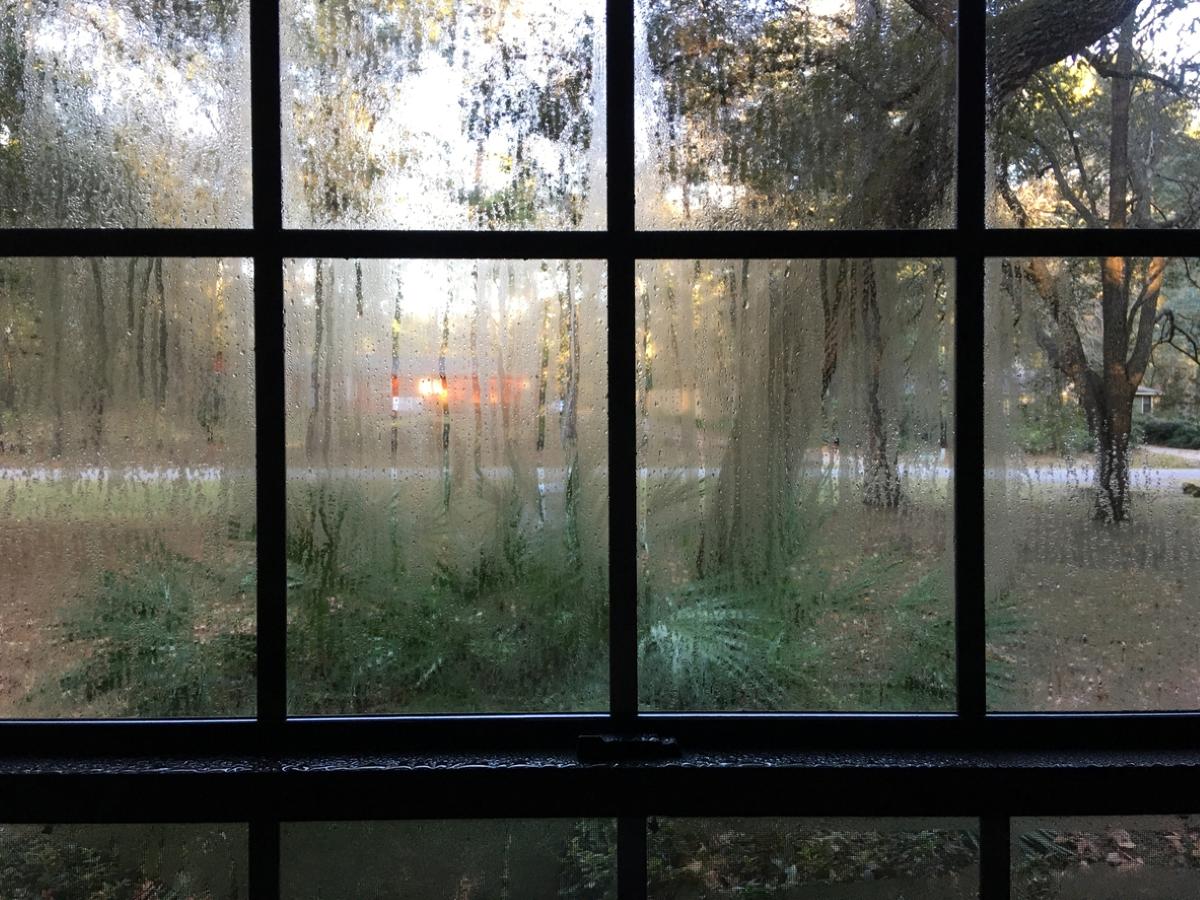
The area receives significant rainfall throughout much of the year. Combined with moderate temperatures and high humidity, this creates an environment where many pests can remain active for longer periods compared to other parts of the country.
Unlike regions that experience long periods of freezing temperatures, Tacoma's relatively mild winters allow many pest populations to survive year-round.
Common climate-related factors that support pest activity include:
Frequent rainfall
Damp soil conditions
High humidity levels
Mild winter temperatures
Long periods of cloud cover
These conditions help create ideal habitats for insects and rodents both outdoors and around residential properties.
Tree Coverage and Natural Areas Increase Pest Pressure
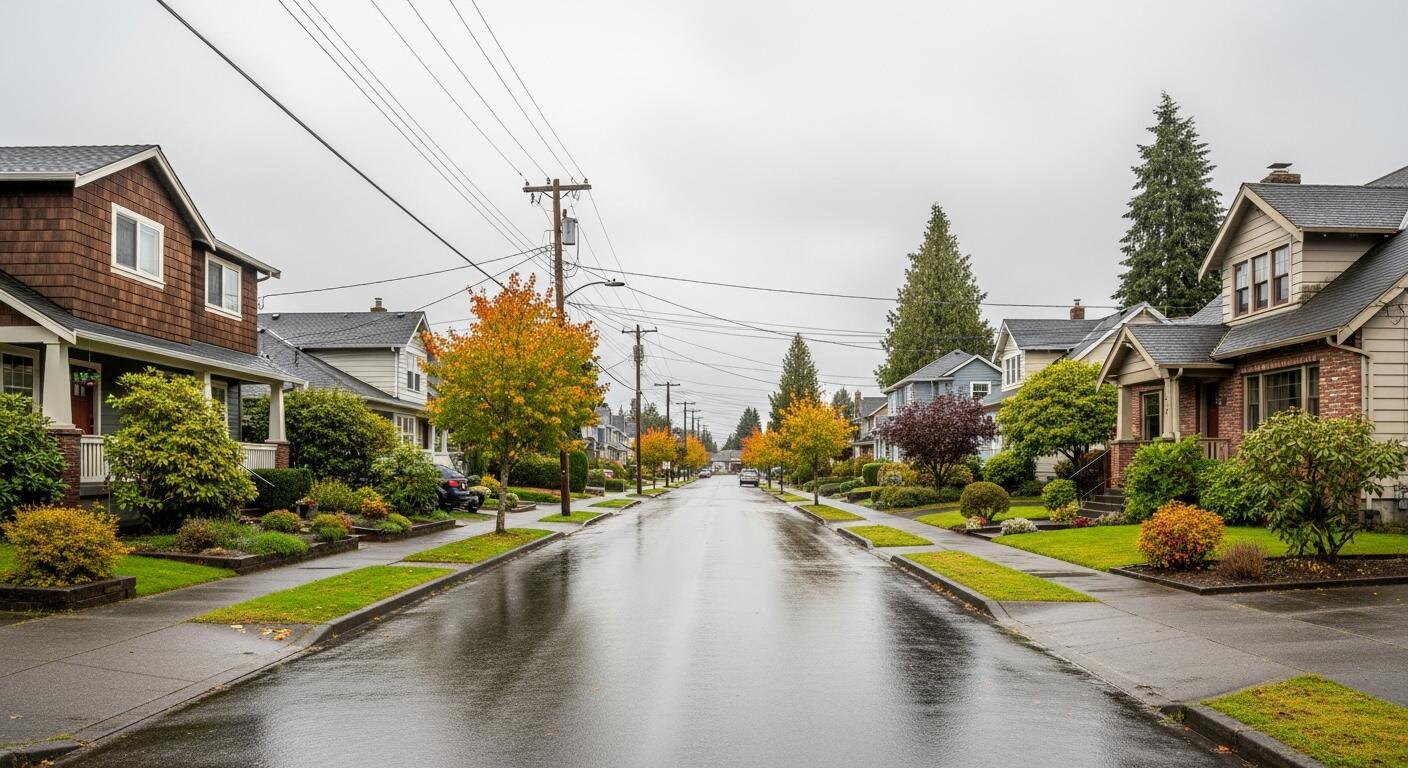
Many Tacoma neighborhoods are known for their beautiful tree-lined streets and abundant green spaces. While these features contribute to the city's charm, they can also create favorable conditions for pests.
Trees and dense vegetation provide:
Shelter from predators
Nesting locations
Moisture retention
Easy travel routes for rodents
Branches that hang over rooftops can provide direct access to attics and upper portions of homes. Dense landscaping around foundations can also create hidden areas where pests remain undetected.
Homes located near wooded areas, greenbelts, parks, or natural corridors often experience higher levels of pest activity because pests already have established habitats nearby.
Older Homes Often Face Greater Pest Risks
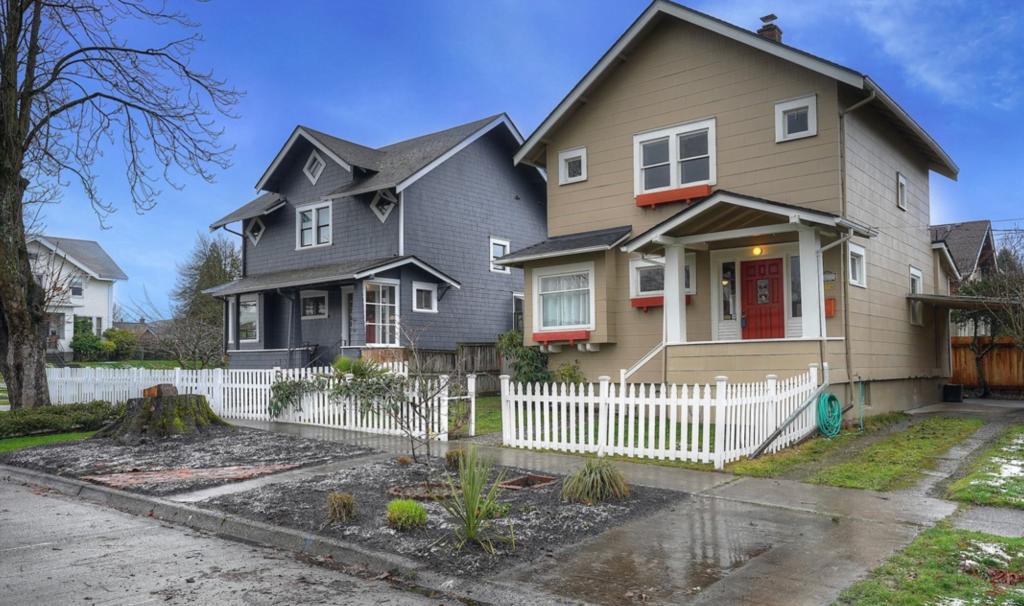
Many Tacoma neighborhoods feature older homes with unique character and historic charm. While these homes are highly desirable, they can also present more opportunities for pests.
Over time, homes naturally develop:
Small foundation cracks
Gaps around windows and doors
Aging weather stripping
Utility penetrations
Ventilation openings
Even tiny openings can allow pests to enter.
Older crawl spaces and attic designs may also provide more access points than newer construction methods.
This does not mean older homes are destined to have pest problems. It simply means regular inspections and maintenance become even more important.
Crawl Spaces Play a Major Role in Tacoma Pest Activity
Tacoma's housing stock includes many homes built with crawl spaces rather than full basements.
While crawl spaces serve important structural functions, they can also become ideal environments for pests when moisture accumulates.
Common crawl space conditions include:
High humidity
Limited airflow
Damp insulation
Standing water
Dark, sheltered spaces
These conditions attract rodents, insects, and moisture-loving pests.
Once pests establish activity beneath a home, they often gain access to wall voids, utility openings, and other hidden areas throughout the structure.
For many homeowners, the crawl space becomes the starting point for larger infestations.
Moisture Levels Vary by Neighborhood
Not all Tacoma neighborhoods experience the same moisture conditions.
Factors such as elevation, drainage patterns, tree coverage, and proximity to water can influence how much moisture accumulates around homes.
Neighborhoods with:
Dense vegetation
Poor drainage
Low-lying terrain
Shaded properties
may experience higher moisture levels throughout the year.
Excess moisture attracts pests by providing reliable water sources and creating favorable nesting conditions.
This is one reason two homes with similar construction can experience very different levels of pest activity.
Landscaping Can Make a Big Difference
Many homeowners unintentionally create pest-friendly conditions through landscaping choices.
Features that may attract pests include:
Mulch placed directly against the foundation
Firewood stored near the home
Overgrown shrubs and bushes
Thick ground cover vegetation
Excessive leaf buildup
These areas provide shelter and protection while allowing pests to remain close to the home.
Simple landscaping adjustments can often reduce pest pressure significantly.
Maintaining clear space around the foundation and trimming vegetation away from structures can help limit access and reduce hiding places.
Signs Your Neighborhood May Have Higher Pest Activity
While every property is different, certain signs may indicate elevated pest pressure in your area.
These include:
Frequent rodent sightings outdoors
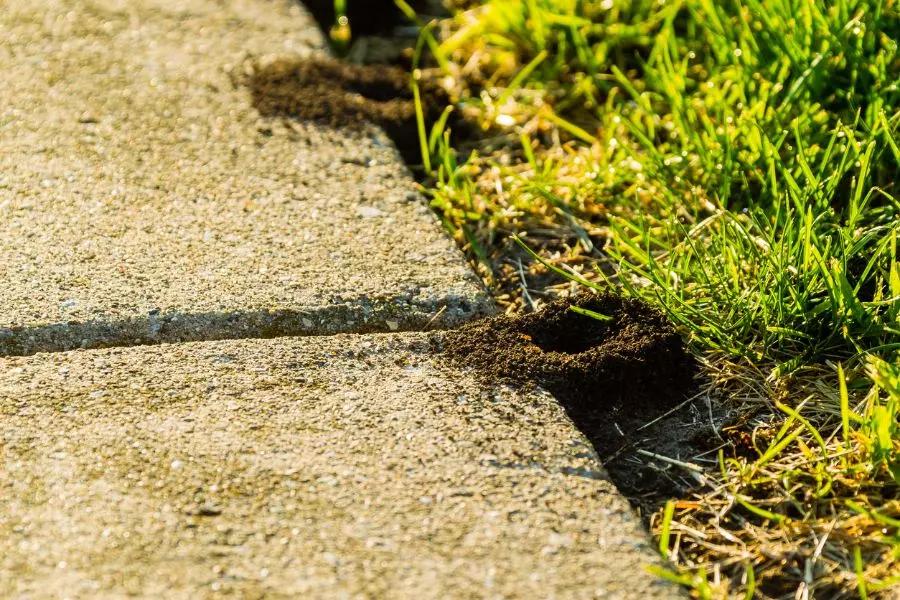
Ant activity around sidewalks and landscaping
Heavy tree coverage near homes
Consistently damp soil conditions
Nearby wooded areas or greenbelts
Recurring pest issues among neighboring properties
If multiple homes in the area experience similar pest concerns, environmental factors may be contributing to the problem.
Why Prevention Is Especially Important in Tacoma
Because many of Tacoma's environmental conditions naturally support pest activity, prevention is often more effective than waiting for a problem to develop.
Preventative measures may include:
Sealing entry points
Managing moisture
Improving crawl space conditions
Maintaining landscaping
Scheduling routine inspections
Addressing these factors early can help reduce the likelihood of infestations and limit long-term damage.
Understanding Your Environment Helps Protect Your Home
Pest activity is not always random. In many cases, the environment surrounding a home plays a significant role in determining how attractive that property becomes to insects and rodents.
Tacoma's climate, vegetation, crawl spaces, and moisture levels all contribute to varying levels of pest pressure across different neighborhoods.
By understanding the conditions that attract pests and taking proactive steps to reduce risks, homeowners can better protect their properties and avoid many of the problems that lead to infestations.
The more you understand your home's environment, the easier it becomes to stay one step ahead of potential pest issues
