Why the Area Beneath Your Gutters Matters After the Rain Stops
Introduction: The Rain May Stop, but the Water Keeps Moving
When rain falls on your home, the roof and gutters do an important job. They collect water and direct it toward downspouts, helping move it away from the structure.
But the story does not end when the rain stops.
Once water reaches the ground, where it travels next can affect soil, mulch, landscaping, and moisture levels around your foundation. In Tacoma and throughout the Puget Sound, where wet weather is a regular part of life, these areas are worth paying attention to.
From a pest prevention perspective, the important question is not simply whether your gutters are working. It is also what is happening beneath them.
Gutters Are Only the Beginning of the Drainage System
It is easy to think of gutters as a complete drainage solution.
In reality, they are only one part of the process.
Rain falls onto the roof, enters the gutters, travels toward a downspout, and eventually reaches the ground or another drainage system.
What happens at that final point matters.
If water is directed away from the house effectively, the surrounding area may dry more predictably. If it repeatedly collects near the foundation, however, certain areas may remain wetter for longer periods.
That difference can influence the environment immediately around your home.
Look at Where Your Downspouts End
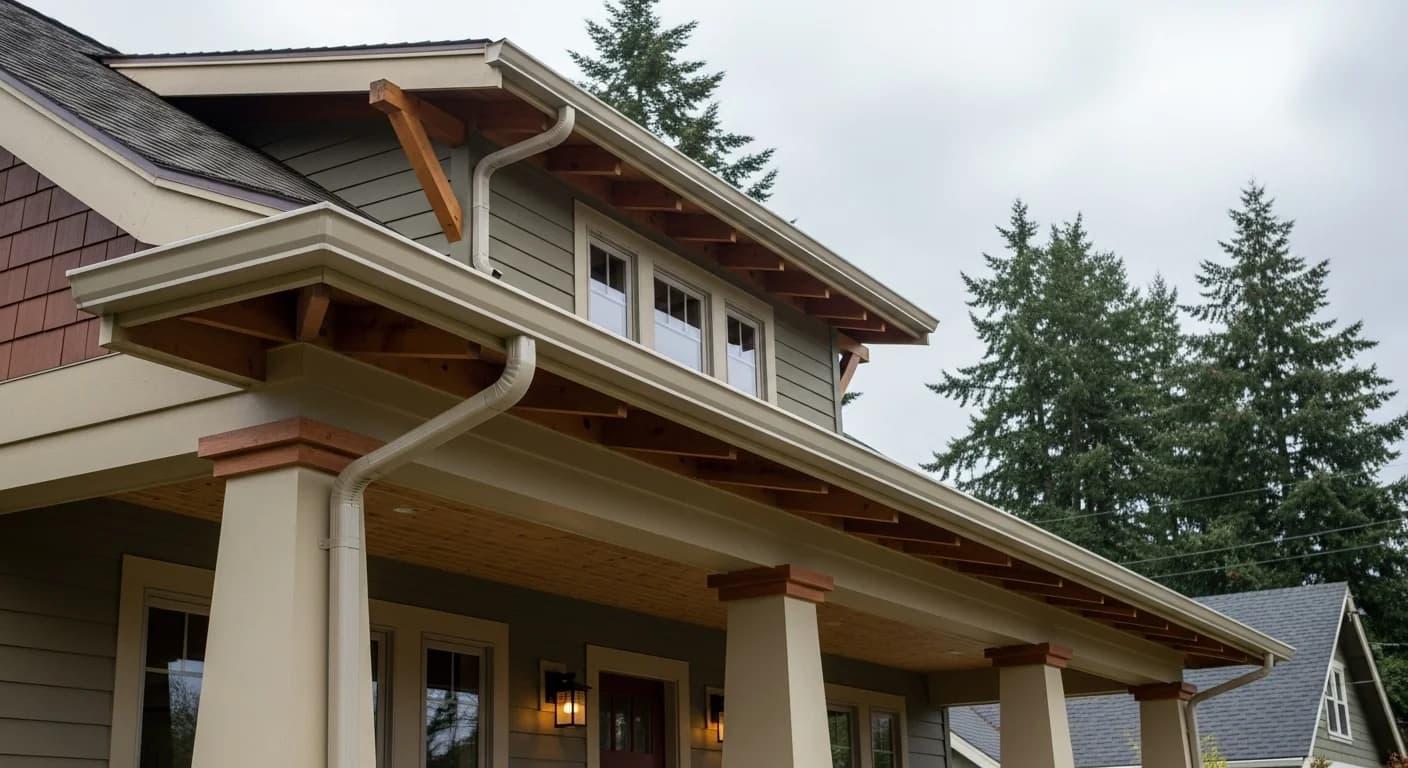
One of the simplest things homeowners can observe is where each downspout sends water.
Some downspouts connect directly to drainage systems. Others use extensions or splash blocks to move water farther from the foundation.
The important thing is to understand what happens once the water leaves the downspout.
Does it move away from the house?
Does it collect in one spot?
Does it flow directly into a mulch bed?
Does the surrounding soil remain noticeably damp?
These observations can reveal a lot about how water behaves around the property.
Saturated Soil Can Stay Damp After the Sky Clears
After several rainy days, soil can absorb a considerable amount of water.
Even when the sun returns, shaded areas around a home may remain damp.
This is especially true near dense vegetation, beneath decks, along narrow side yards, and around foundations where airflow or sunlight may be limited.
Many pests naturally prefer protected environments where moisture is available. Damp soil itself does not automatically mean there is a pest problem, but persistent moisture can contribute to conditions that make an area more attractive.
The key is noticing which parts of your property dry quickly and which ones remain wet.
Mulch Can Hold More Moisture Than It Appears To
Mulch is common around Tacoma homes because it helps landscaped areas look clean and finished.
It also behaves differently from exposed soil.
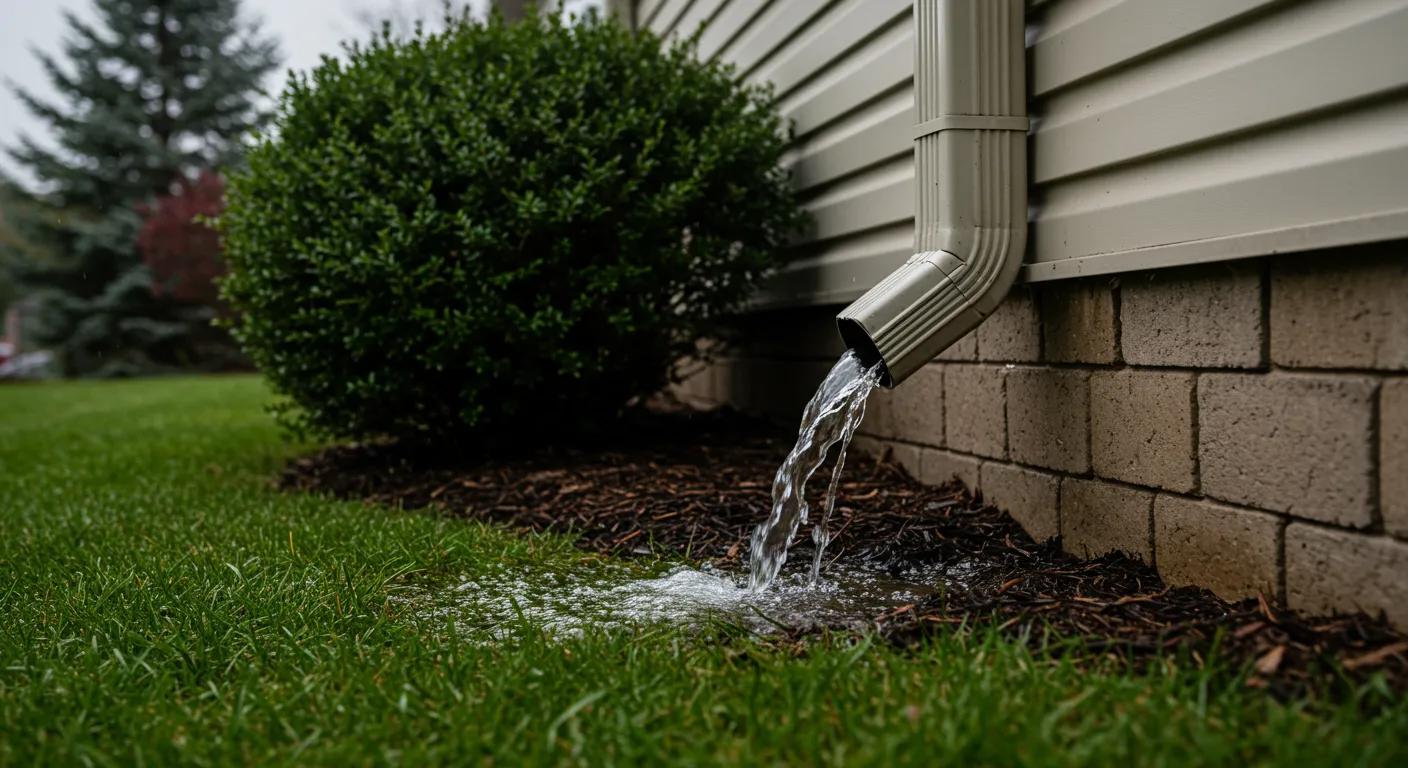
The surface may appear relatively dry while the material underneath remains damp. If a downspout repeatedly releases water into or beside a mulch bed, that area may retain moisture longer than homeowners realize.
This becomes especially important when mulch extends directly toward the foundation or lower siding.
Periodically checking these areas can help you understand how much moisture is actually being retained near the structure.
Splashing Water Can Affect More Than the Ground
Water does not always stay exactly where it lands.
When a downspout empties onto hard soil, concrete, gravel, or another firm surface, water can splash onto nearby siding, foundation walls, trim, or other exterior materials.
Repeated exposure can keep small areas wetter than surrounding surfaces.
It can also move soil or mulch over time, gradually changing the area beneath the downspout.
These changes may seem minor from day to day. After months of Pacific Northwest weather, however, they can become much easier to notice.
This is another reason to occasionally inspect the area after rainfall rather than only looking at the gutters themselves.
Landscaping Can Hide Drainage Problems
Beautiful landscaping can sometimes make it difficult to see what is happening close to the foundation.
Shrubs, ground cover, decorative grasses, and other plants may partially conceal downspout outlets or areas where water collects.
Dense vegetation can also reduce airflow and shade the soil, allowing moisture to remain longer.
For homeowners, the goal is not necessarily to remove landscaping. Instead, it helps to maintain enough visibility around key drainage areas to understand where water is going.
If you cannot easily see the ground beneath a downspout, you may also miss changes occurring there.
Standing Water Is Worth Paying Attention To
Small puddles immediately after heavy rain are not unusual.
What matters more is how long the water remains.
If the same area repeatedly holds standing water long after surrounding areas have begun drying, it may be worth investigating why.
The ground may be compacted, drainage may be limited, or water may simply be concentrated in that location.
Standing water can also attract insects and contribute to consistently damp conditions near the home.
Watching what happens several hours after rain can sometimes tell you more than looking outside while the rain is still falling.
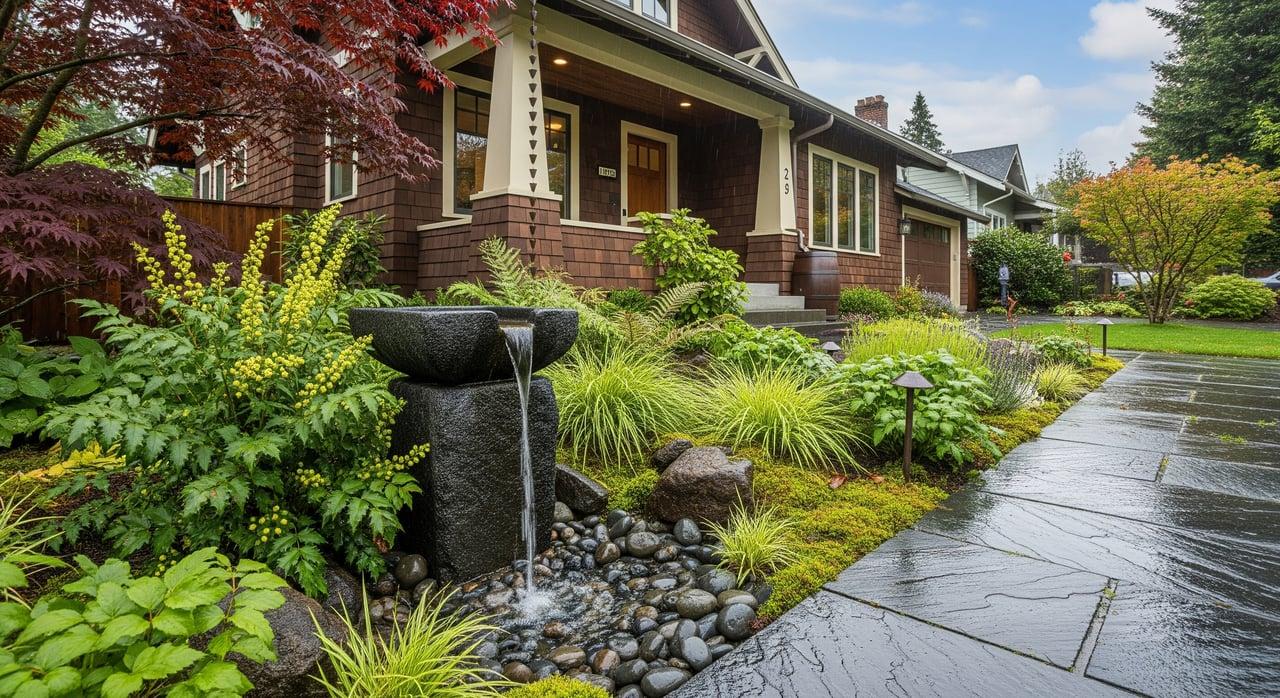
Check the Foundation Near Downspouts
The foundation area deserves particular attention because it sits directly beside the structure.
After rain, take a look at where downspouts meet the ground and follow the nearby foundation line.
Look for noticeable changes such as:
Persistent dampness
Soil erosion
Displaced mulch
Standing water
Vegetation pressed against the structure
Debris collecting near the outlet
Changes around foundation vents
Water repeatedly flowing back toward the home
These observations can help homeowners recognize drainage patterns that might otherwise go unnoticed.
Seasonal Changes Can Affect Where Water Travels
Drainage around a property does not necessarily remain the same throughout the year.
Leaves can collect near downspouts. Vegetation grows and dies back. Soil can shift or compact. Mulch can move. Storms may introduce debris into gutters or drainage areas.
A system that worked well during summer may behave differently during the wetter months.
This is why seasonal checks are helpful.
In Tacoma, fall can be an especially useful time to look at gutters, downspouts, and surrounding landscaping before extended periods of wet weather become more common.
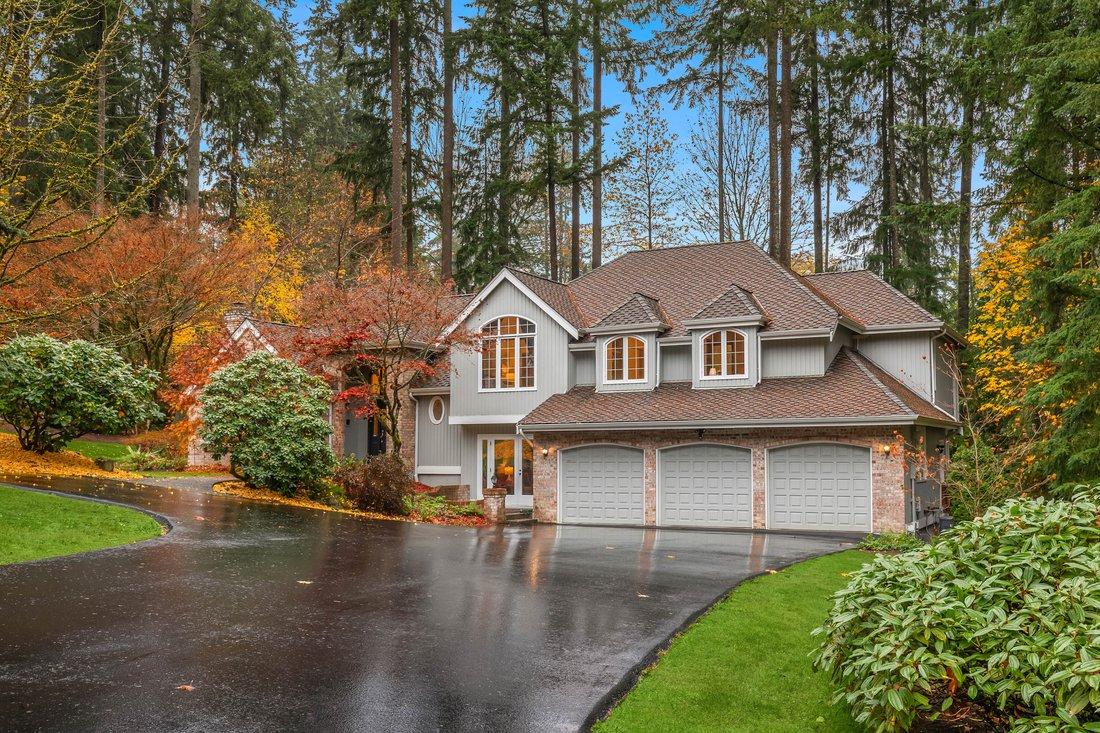
Small Maintenance Habits Can Make These Areas Easier to Monitor
You do not need to redesign your entire yard to pay closer attention to drainage.
Simple habits can make conditions easier to observe.
Keep leaves and debris away from downspout outlets. Avoid allowing dense vegetation to completely hide drainage areas. Watch where water travels during heavier rainfall. Check whether soil and mulch are being displaced.
It can also help to walk around the property again after the rain stops.
That second look may reveal puddles, saturated soil, or drainage patterns that were difficult to see during the storm.
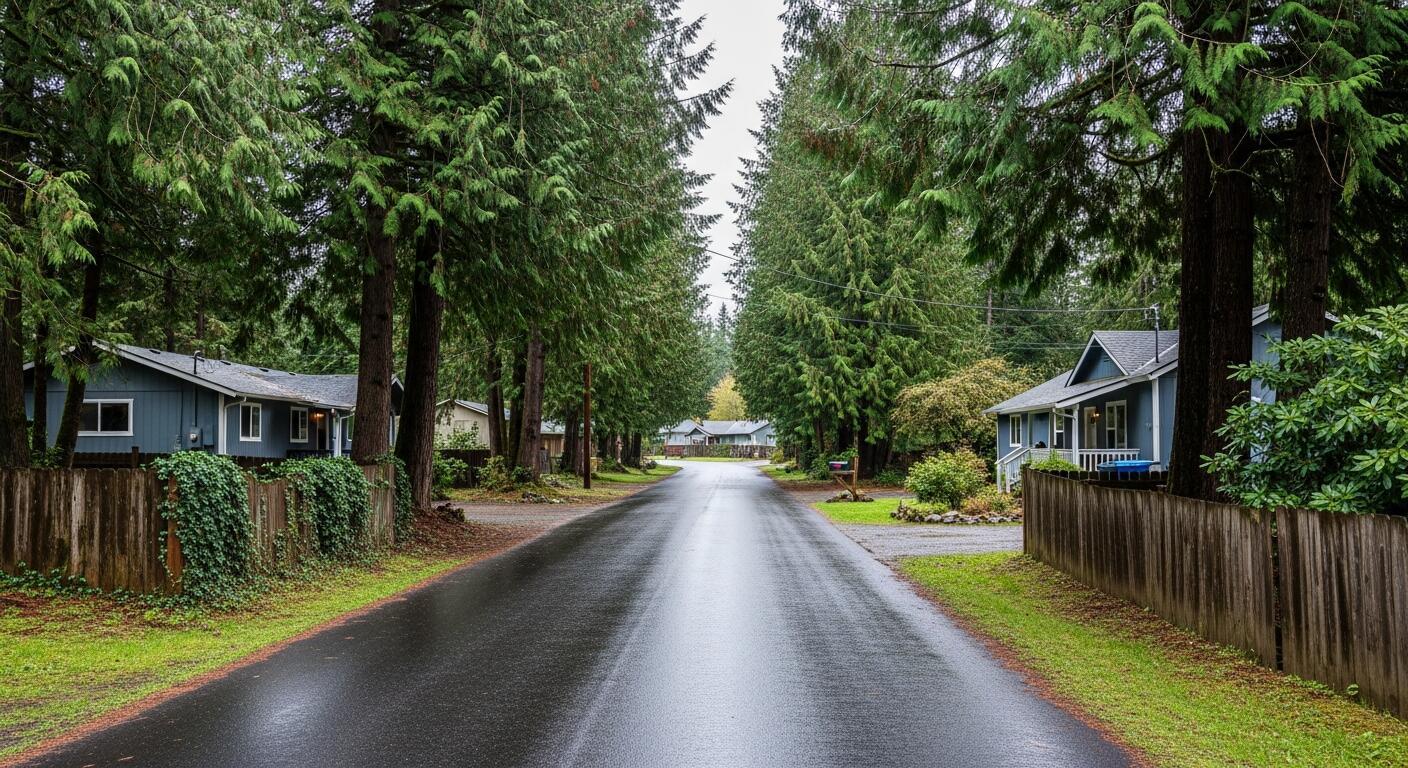
Every Tacoma Property Handles Rain Differently
Two homes on the same street can respond very differently to the same rainfall.
One property may have sloped landscaping that naturally carries water away from the structure. Another may contain shaded areas where soil stays damp for days.
Differences can include:
Soil composition
Property slope
Mature landscaping
Tree coverage
Gutter configuration
Downspout placement
Drainage systems
Foundation design
Sunlight and airflow
Understanding your own property is more useful than assuming every home behaves the same way.
Conclusion: Follow the Water After the Rain
Gutters may be above your head, but some of the most important clues appear at ground level.
After rainwater travels across your roof and through your gutters, pay attention to where it goes next.
Look beneath downspouts. Check nearby mulch and soil. Notice whether water moves away from the foundation or remains close to the house. Pay attention to areas that stay damp long after everything else begins to dry.
For Tacoma and Puget Sound homeowners, these simple observations can help reveal how wet weather is shaping the environment around the home.
When it comes to pest prevention, sometimes the best place to look after the rain stops is directly beneath the system designed to carry that rain away.
