Why Pests Often Find Their Way Indoors as Tacoma Homes Prepare for Winter
As fall transitions into winter in Tacoma, homeowners begin making familiar seasonal adjustments. Heating systems run more frequently, outdoor furniture gets stored, and attention shifts toward keeping living spaces warm and comfortable.
But people aren't the only ones responding to changing conditions.
As temperatures drop and rainfall becomes more frequent across the Puget Sound region, certain pests begin searching for protected environments. Garages, crawl spaces, attics, and small openings around residential buildings can provide the shelter they need.
Understanding how seasonal changes influence pest activity can help Tacoma homeowners recognize potential concerns before they become larger problems.
Cooler Temperatures Change Where Pests Look for Shelter
During warmer months, many pests find suitable conditions outdoors. Gardens, landscaping, woodpiles, and other sheltered areas can provide food, moisture, and protection.
As temperatures decline, those conditions begin to change.
Some insects become less active or enter dormant stages, while rodents may seek warmer, more protected environments.
Homes can offer several attractive features:
Protection from wind and heavy rainfall
More consistent temperatures
Hidden spaces with limited disturbance
Potential access to food and water
Not every pest moves indoors during winter, but seasonal changes can increase the likelihood of certain species exploring residential structures.
For Tacoma homeowners, this makes late fall an important time to pay attention to exterior conditions.
Small Exterior Openings Become More Important During Fall
A home doesn't need obvious damage to have potential pest entry points.
Small openings can develop naturally as building materials age, weather exposure increases, and exterior components experience normal wear.
Common areas worth checking include:
Gaps around utility lines and plumbing penetrations
Openings beneath exterior doors
Damaged weatherstripping
Spaces around foundation access panels
Gaps where siding meets other building materials
Mice can squeeze through openings approximately the size of a dime, making seemingly minor gaps worth investigating.
An occasional exterior inspection can help homeowners identify visible openings before pests begin using them.
Sealing appropriate gaps with durable, pest-resistant materials can be an important part of prevention.
Garages Often Provide the First Opportunity for Entry
Garages are particularly relevant during Tacoma's cooler months.
They frequently connect outdoor environments with interior living spaces, and garage doors may not always seal tightly against the ground.
Even when a garage appears organized, stored belongings can create protected areas where pest activity goes unnoticed.
Cardboard boxes, seasonal decorations, and equipment may provide hiding places, especially when items remain undisturbed for extended periods.
Homeowners can reduce potential concerns by:
Checking the condition of garage door seals
Keeping stored items organized and elevated when practical
Removing unnecessary clutter
Inspecting corners and areas behind storage
Making sure doors connecting the garage and home close securely
A well-maintained garage can help limit opportunities for pests to move farther into the home.
Crawl Spaces Can Offer Shelter From Winter Weather
Many Tacoma-area homes have crawl spaces beneath their living areas.
These spaces can be particularly appealing to certain pests because they are protected from direct weather exposure and often experience less human activity.
During the rainy season, moisture conditions beneath a home may also change.
Damp soil, damaged access covers, and openings around foundation vents can create conditions that deserve attention.
A crawl space doesn't need standing water to experience moisture-related concerns.
Homeowners should periodically check accessible exterior components, including crawl space doors and foundation vents, for visible damage or openings.
Professional inspections can help evaluate areas that are difficult or unsafe to access.
Attics Become Another Area Worth Monitoring
While crawl spaces are located beneath the home, attics provide a different type of shelter.
Attics are generally protected from rainfall and wind, and some may contain insulation and enclosed spaces where rodents can remain undisturbed.
Potential entry points may develop around:
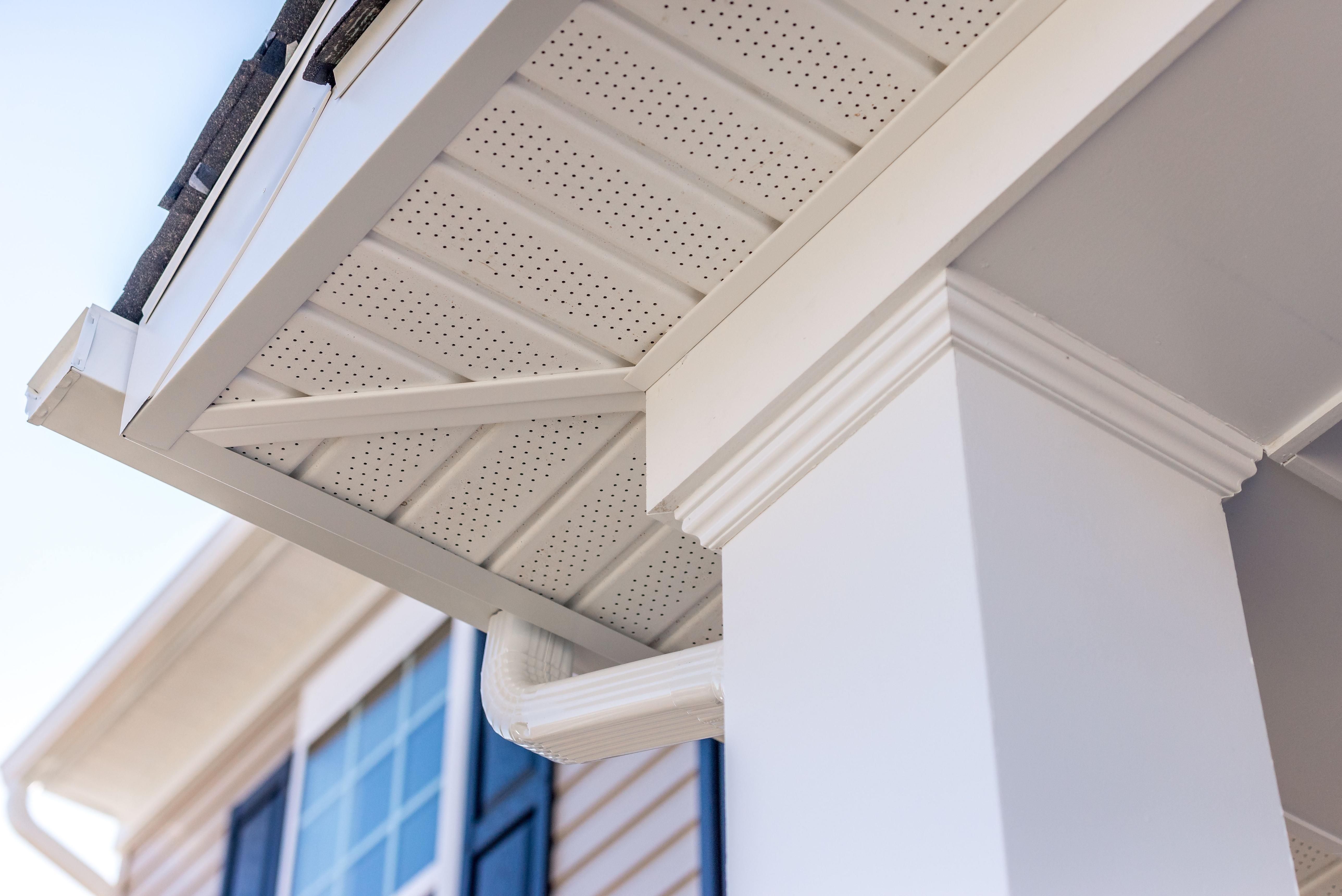
Roof edges and eaves
Damaged soffits
Roof and wall intersections
Openings around exterior penetrations
Deteriorating building materials
Signs of possible activity can include scratching sounds, droppings, damaged insulation, or evidence of gnawing.
However, sounds alone don't confirm a pest problem.
If unusual activity becomes consistent, a professional inspection can help determine whether pests are present and identify appropriate next steps.
Fall Rain Can Influence Pest Activity Around Foundations
Tacoma's rainy season changes more than the temperature.
Repeated rainfall can leave soil, landscaping, and shaded foundation areas damp for extended periods.
Moisture can influence where certain insects and other pests are found around residential properties.
Areas that deserve occasional attention include:
Garden beds directly against exterior walls
Locations beneath downspouts
Shaded foundation corners
Spaces beneath decks and porches
Areas where leaves and debris accumulate
These conditions don't automatically indicate an infestation.
However, understanding how water moves around a property can help homeowners identify areas where pest activity may become more likely.
Keeping drainage systems functioning and reducing unnecessary moisture near the foundation can support both building maintenance and pest prevention.
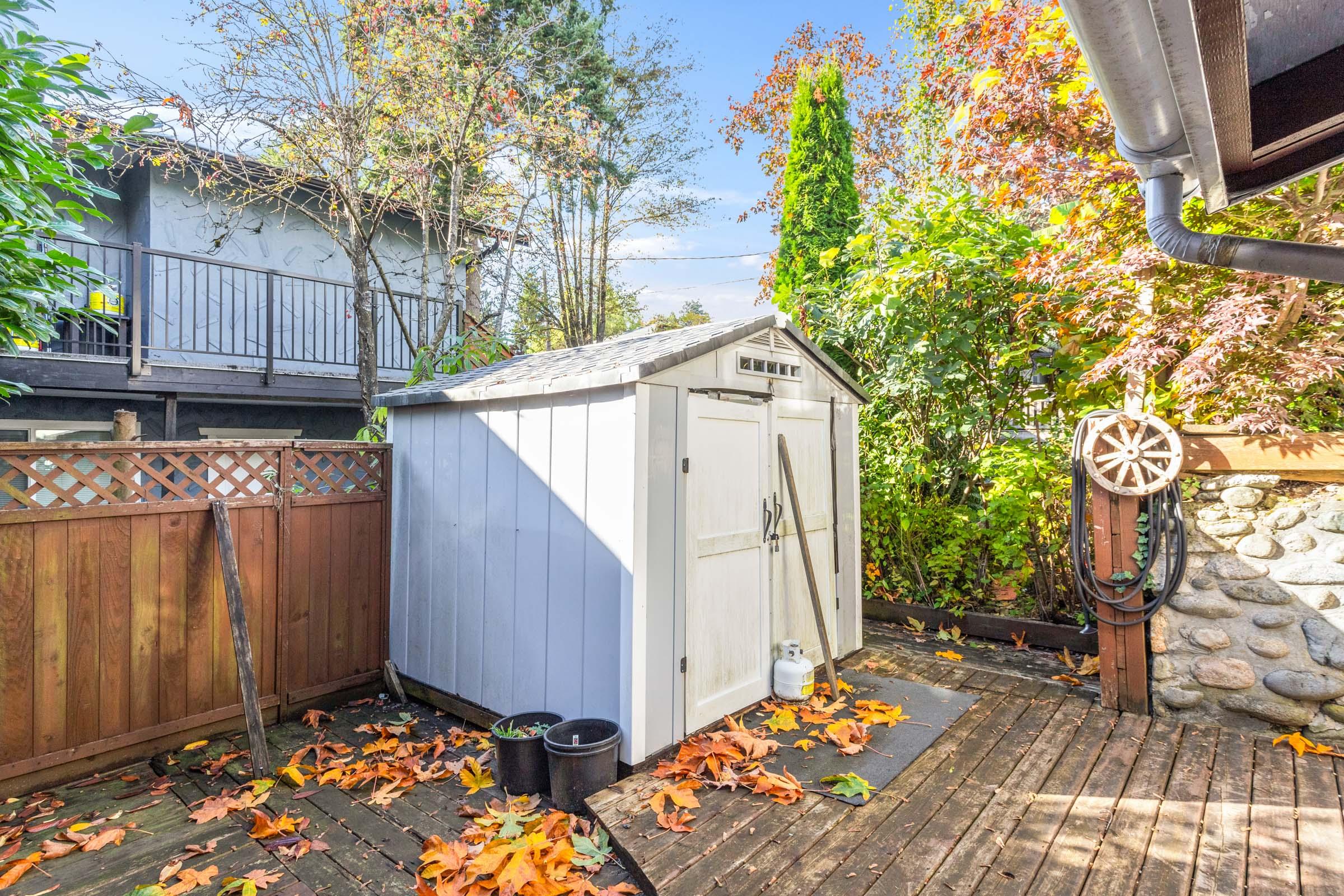
Outdoor Storage Can Create Shelter Close to the House
Fall is often when homeowners reorganize outdoor spaces.
Patio furniture, gardening supplies, firewood, and seasonal equipment may be moved closer to the house for convenience.
Unfortunately, certain storage arrangements can create sheltered areas near exterior walls.
For example, firewood stacked directly against siding can provide cover for insects and rodents.
Likewise, storage containers placed in damp, shaded corners may make it harder to notice changes around the foundation.
Whenever practical, keep firewood and outdoor storage away from exterior walls and maintain enough clearance to inspect the surrounding area.
Small adjustments can make routine maintenance easier while reducing potential shelter opportunities.
Indoor Food and Water Sources Can Encourage Pest Activity
Exterior entry points are only part of the picture.
Once pests gain access to a building, available food and water can influence whether they remain.
Kitchens, pantries, laundry rooms, and utility spaces may provide resources that attract certain pests.
Helpful prevention habits include:
Storing pantry items in sealed containers
Cleaning food crumbs and spills promptly
Keeping trash containers covered
Addressing plumbing leaks
Avoiding leaving pet food out overnight
These habits are especially valuable during winter, when homeowners spend more time indoors and exterior pest activity may be less noticeable.
A clean home cannot guarantee pest prevention, but limiting accessible resources can make indoor spaces less attractive.
Early Warning Signs Are Easy to Overlook
Pest activity doesn't always begin with an obvious sighting.
In some cases, the earliest indications are small changes around areas that homeowners rarely inspect.
Possible warning signs include:
Droppings in garages, cabinets, or storage areas
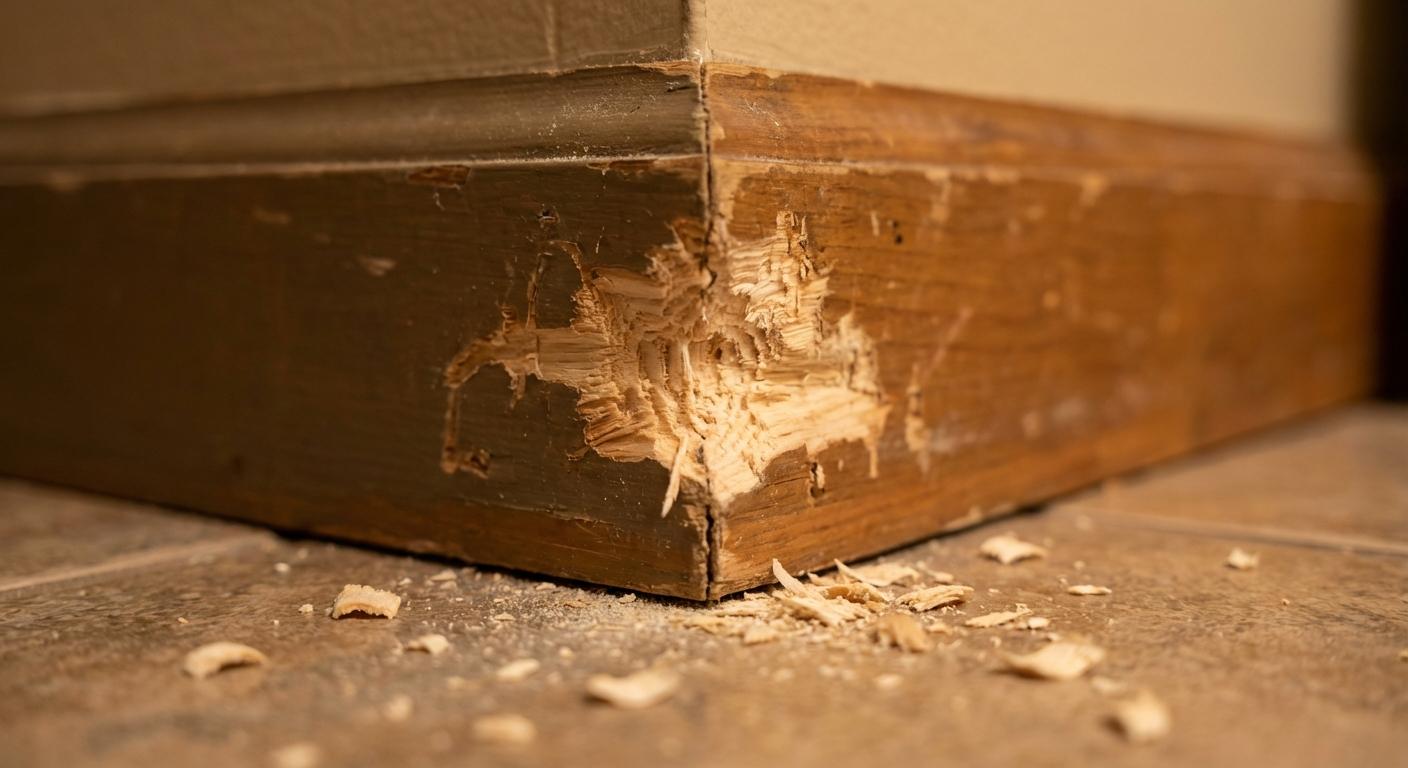
Gnaw marks on packaging or building materials
Scratching or movement sounds in enclosed spaces
Damaged insulation
Nesting materials in protected locations
New openings around exterior components
These signs deserve attention, but identifying the pest correctly is important before choosing a treatment approach.
Different species require different prevention and control methods.
A qualified pest control professional can help distinguish between occasional activity and a developing infestation.
Winter Pest Prevention Starts Before Problems Become Visible
One of the most useful approaches to pest prevention is addressing conditions before indoor activity becomes noticeable.
For Tacoma homeowners, late fall provides an opportunity to review the exterior of the property while preparing for colder weather.
A practical seasonal inspection might include checking exterior doors, inspecting accessible foundation areas, clearing accumulated leaves, evaluating outdoor storage, and looking for damaged vents or openings.
No single maintenance task can eliminate every potential pest concern.
However, consistent attention to these details can reduce opportunities for pests to enter and establish themselves inside a home.
A More Comfortable Winter Starts With a Well-Maintained Home
As Tacoma moves toward winter, changing temperatures and wet weather can influence pest behavior around residential properties.
Garages, crawl spaces, attics, foundation edges, and exterior openings all deserve attention because they can provide pathways or shelter for certain pests.
The goal isn't to assume every home will experience pest problems. It's to understand how seasonal conditions change and recognize opportunities for prevention.
At All-Shield Pest Control, we help Tacoma and Puget Sound homeowners identify pest concerns and take practical steps toward protecting their homes throughout the year.
Paying attention to the small details now can help support a more comfortable, well-maintained home throughout the winter season.
