Why the Transition Between Your Yard and Home Matters for Pest Prevention
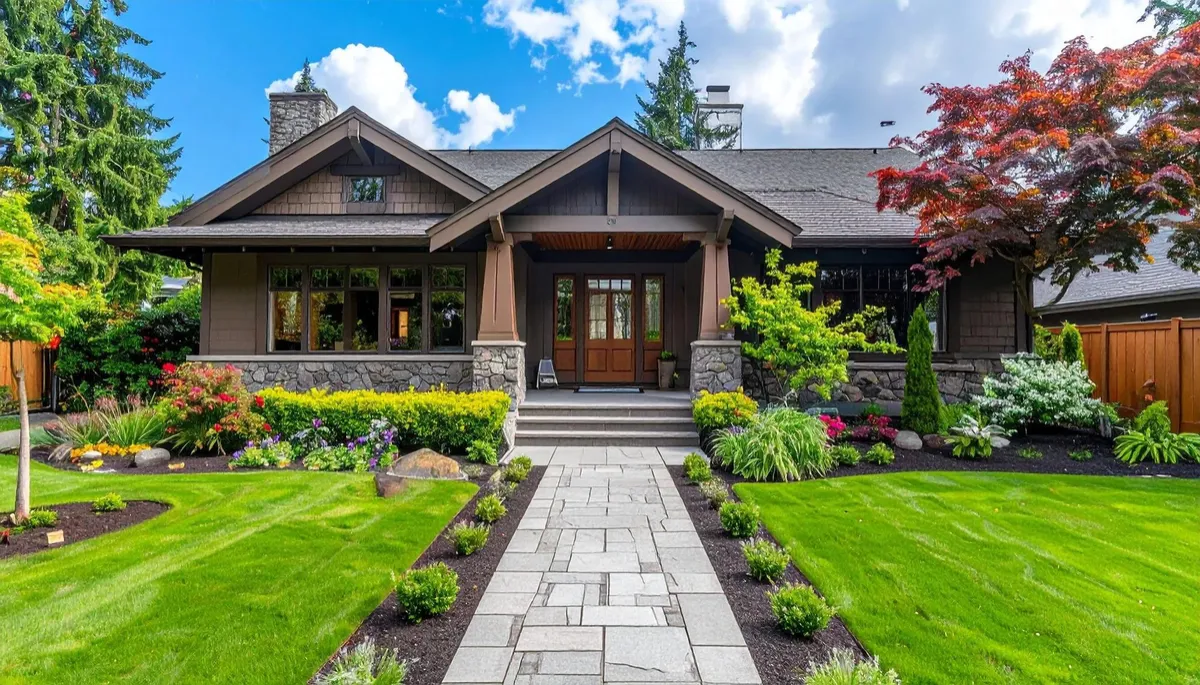
Your yard and your home may seem like two separate spaces, but the area where they meet plays an important role in pest prevention.
Around Tacoma and the Puget Sound region, landscaping, moisture, seasonal rainfall, and changing temperatures can influence conditions along a home's exterior. While homeowners often focus on maintaining their lawns, gardens, and indoor spaces, the narrow transition between the yard and the house can receive less attention.
This transition includes foundation edges, garden beds, walkways, patios, siding, and areas where vegetation grows close to the structure.
Understanding how these features interact can help homeowners recognize conditions that may attract pests before problems become more noticeable.
1. The Edge of Your Home Is a Natural Transition Point
The area where your yard meets your home creates a boundary between outdoor conditions and the protected spaces inside.
Pests naturally explore their surroundings while searching for food, moisture, and shelter. Foundation edges, exterior walls, and nearby landscaping can provide pathways that guide movement around a property.
Some areas may offer additional protection from wind, rain, and temperature changes.
For Tacoma homeowners, periodically checking this boundary can help reveal changes that are easy to miss during everyday yard maintenance.
The goal is not to eliminate every natural feature around the house, but to understand how those features affect the exterior.
2. Landscaping Can Create Sheltered Areas Near the Foundation
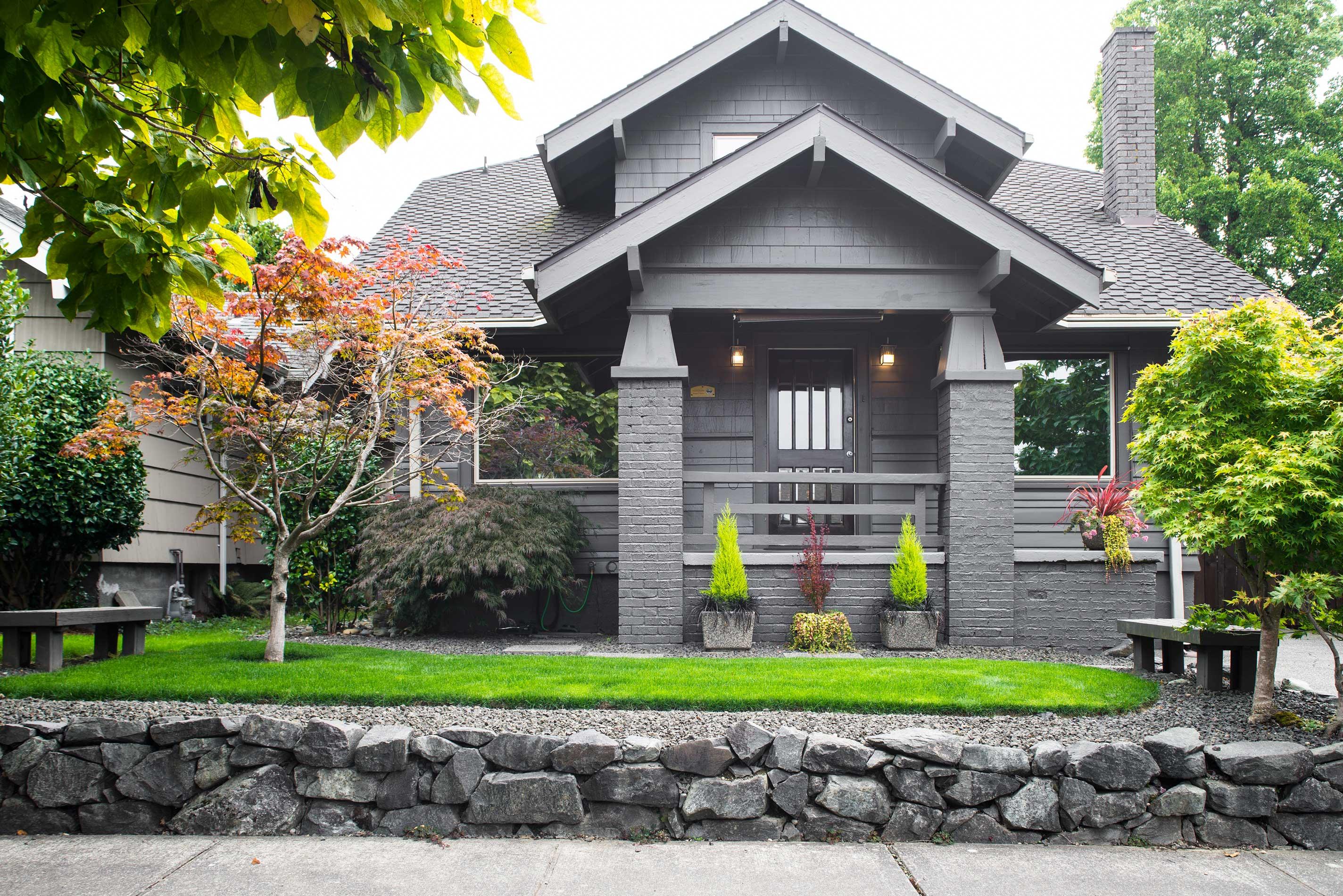
Shrubs, ornamental plants, and garden beds can make a property more attractive, but their placement also affects conditions around the home.
Dense vegetation growing directly against siding or foundations can create shaded spaces with limited airflow.
These areas may:
Hold moisture after rainfall
Collect fallen leaves and debris
Conceal small exterior openings
Provide sheltered pathways for pests
This does not mean landscaping should be removed.
Instead, maintaining reasonable clearance between vegetation and the structure makes the foundation easier to inspect and allows homeowners to notice changes.
3. Moisture Often Collects Where the Yard Meets the House
Tacoma's wet fall and winter weather makes moisture management particularly important.
Rainwater can move across lawns, through garden beds, and along walkways before reaching the foundation.
Depending on grading, drainage, and soil conditions, some areas may remain damp longer than others.
Persistent moisture can attract certain pests and create favorable conditions for insects and other organisms.
Homeowners should pay attention to:
Soil that remains wet for extended periods
Water collecting near foundation corners
Downspouts releasing water close to the house
Landscaping that prevents damp areas from drying
Observing where water travels after rainfall can reveal conditions that are not obvious during dry weather.
4. Mulch and Fallen Leaves Can Change Conditions Along the Foundation
Mulch is useful for landscaping because it helps retain soil moisture and supports plant health.
However, thick mulch placed directly against exterior siding or foundation openings can create sheltered conditions.
Fallen leaves can have a similar effect.
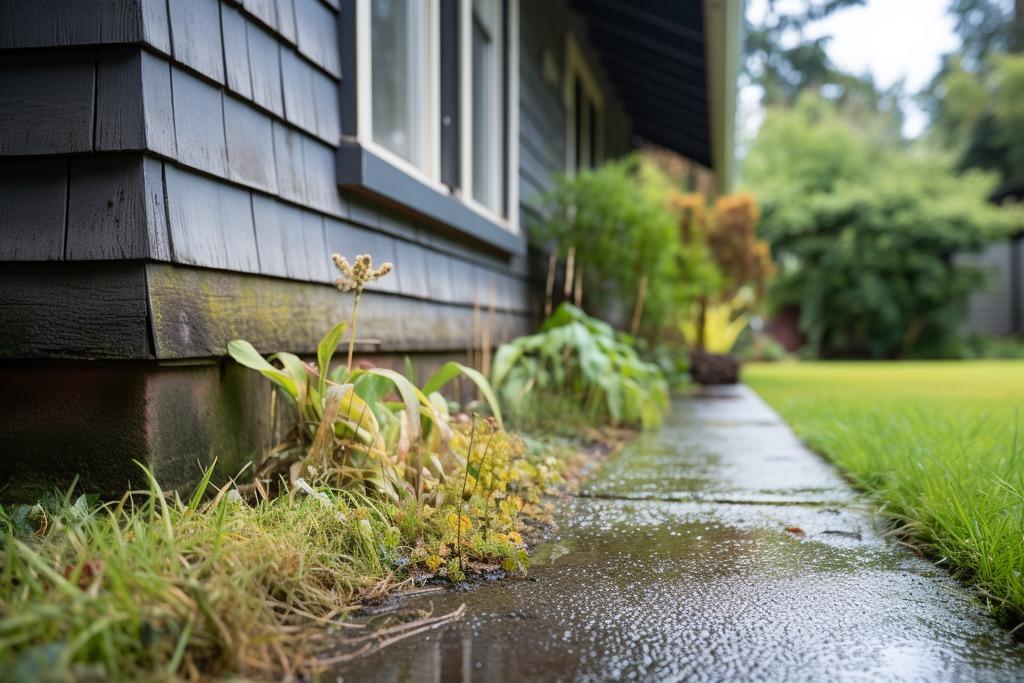
During Tacoma's rainy season, leaves may accumulate beneath shrubs, beside walkways, and around foundation corners.
Once wet, these materials can remain damp and make the underlying soil difficult to inspect.
Keeping mulch below siding and maintaining visible foundation edges can help reduce hidden moisture and debris buildup.
Regularly clearing accumulated leaves also makes exterior inspections easier.
5. Walkways and Patios Can Hide Small Exterior Changes
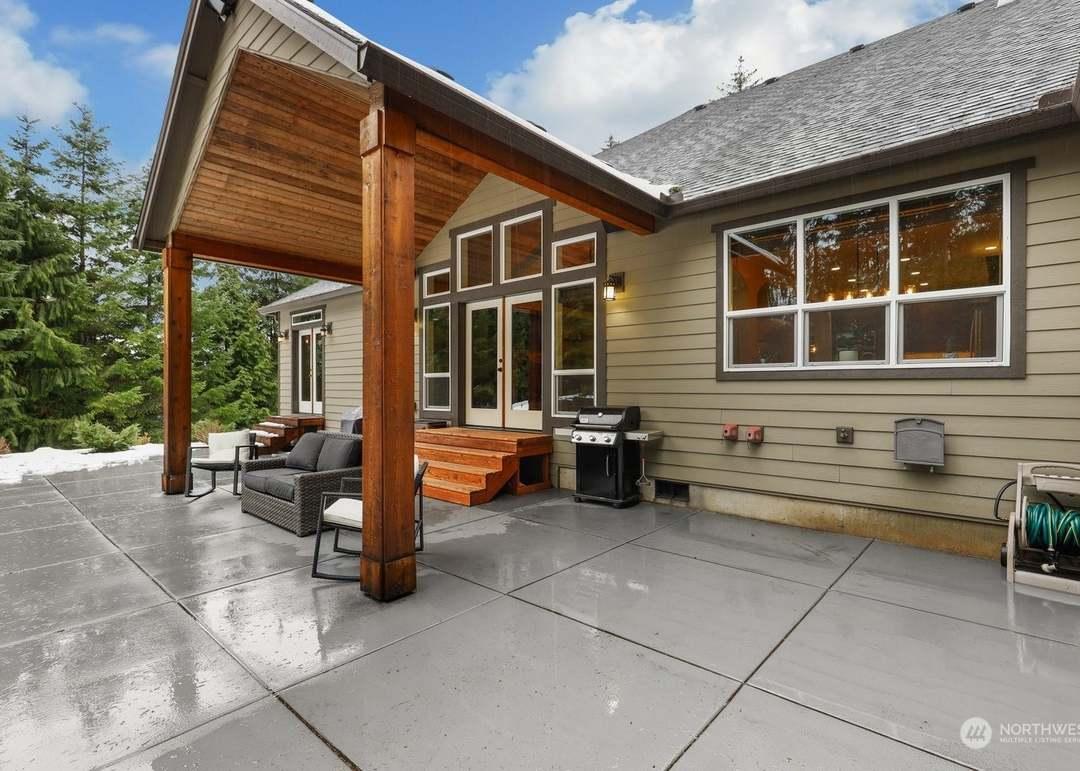
Walkways, patios, and paved surfaces often connect outdoor living areas directly to the house.
These transitions may include expansion joints, foundation edges, door thresholds, and narrow gaps between materials.
Over time, settling, weather exposure, and normal wear can change these connections.
Small openings may become more noticeable, particularly around exterior doors or where paving meets the foundation.
While not every gap creates a pest problem, some openings can provide access for insects or rodents.
Checking these transitions periodically helps homeowners identify changes that may need maintenance.
6. The Bottom Edge of Your Siding Deserves Attention
The lower portion of a home's exterior is especially important because it sits close to soil, landscaping, and outdoor moisture.
Depending on the home's construction, siding may meet concrete foundations, masonry, trim, or other exterior materials.
These junctions can be difficult to see when plants or mulch cover them.
Homeowners should look for:
Visible gaps around lower trim
Damaged or deteriorating materials
Debris collecting against siding
Vegetation touching exterior walls
Changes around foundation vents
Keeping these areas visible helps make routine maintenance more effective.
7. Garden Beds Can Affect How Easily You Inspect Your Home
Garden beds often follow the outline of a house, making them an important part of the transition between yard and structure.
Mature plants can gradually spread beyond their original boundaries.
As shrubs grow wider and groundcover becomes denser, the space between landscaping and the home may become harder to access.
This can make it more difficult to notice moisture, exterior damage, or signs of pest activity.
Occasional pruning and thoughtful plant spacing help preserve both the appearance of the landscape and access to the home's perimeter.
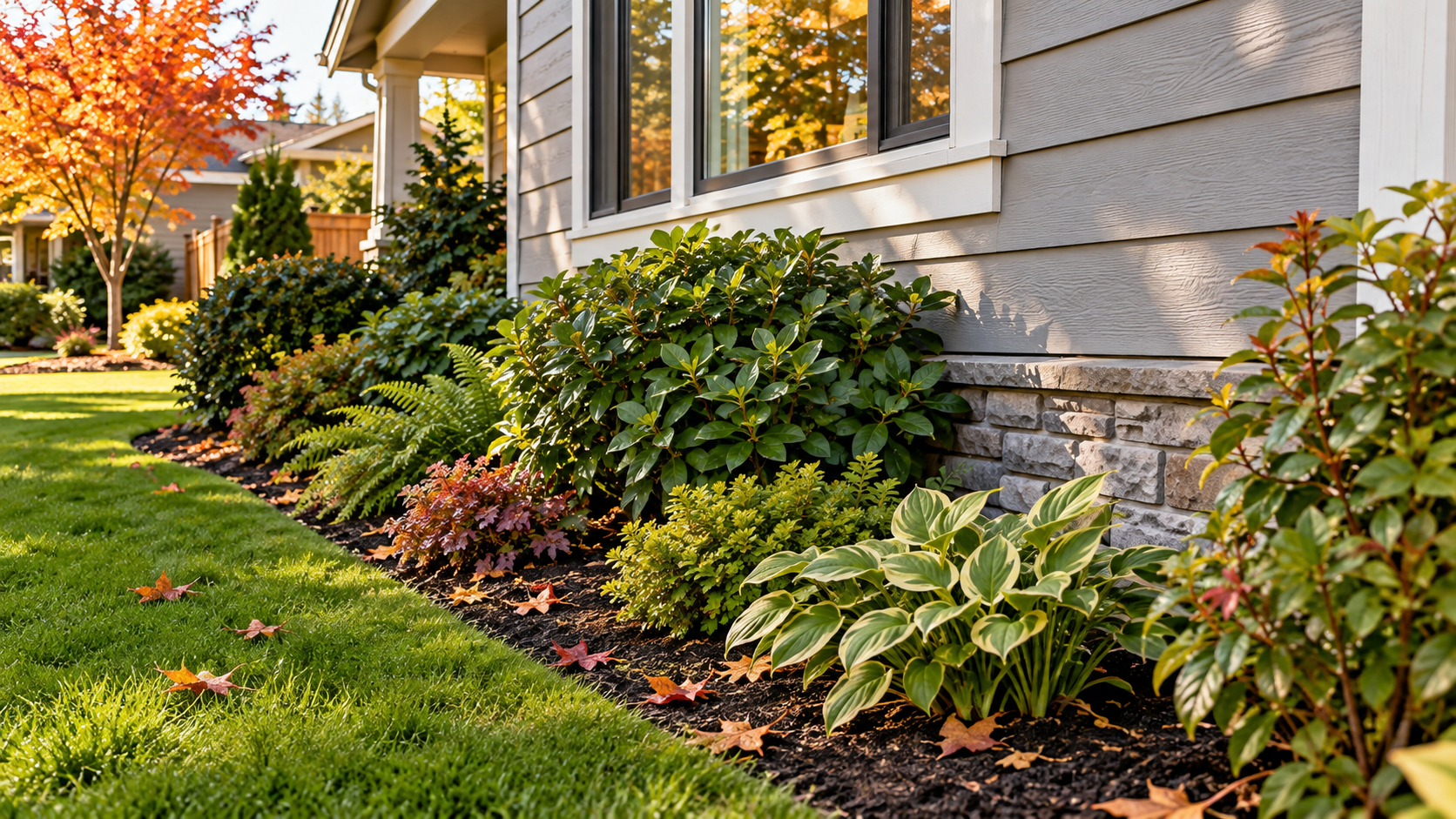
8. Seasonal Weather Changes the Yard-to-Home Boundary
Conditions along a home's exterior are not constant throughout the year.
During Tacoma's warmer months, some areas may dry quickly and receive more sunlight.
As fall progresses, shorter days, increased rainfall, and falling leaves can change those conditions.
Areas that remained dry during summer may become persistently damp.
Vegetation can also shift, exposing some spaces while creating new areas of debris accumulation.
These seasonal changes make fall a useful time to revisit foundation edges, walkways, garden beds, and exterior openings.
9. Small Maintenance Habits Can Support Long-Term Pest Prevention
Effective pest prevention often involves consistent attention rather than major property changes.
Simple habits can make the transition between yard and home easier to monitor.
Consider:
Trimming vegetation away from siding
Clearing leaves from foundation edges
Checking drainage after heavy rain
Keeping mulch away from vulnerable exterior materials
Inspecting door thresholds and utility openings
Maintaining access to crawl-space vents
When homeowners understand how outdoor conditions affect their home's exterior, they can recognize potential concerns earlier.
If recurring pest signs or suspected entry points appear, a professional inspection can help identify the appropriate next steps.
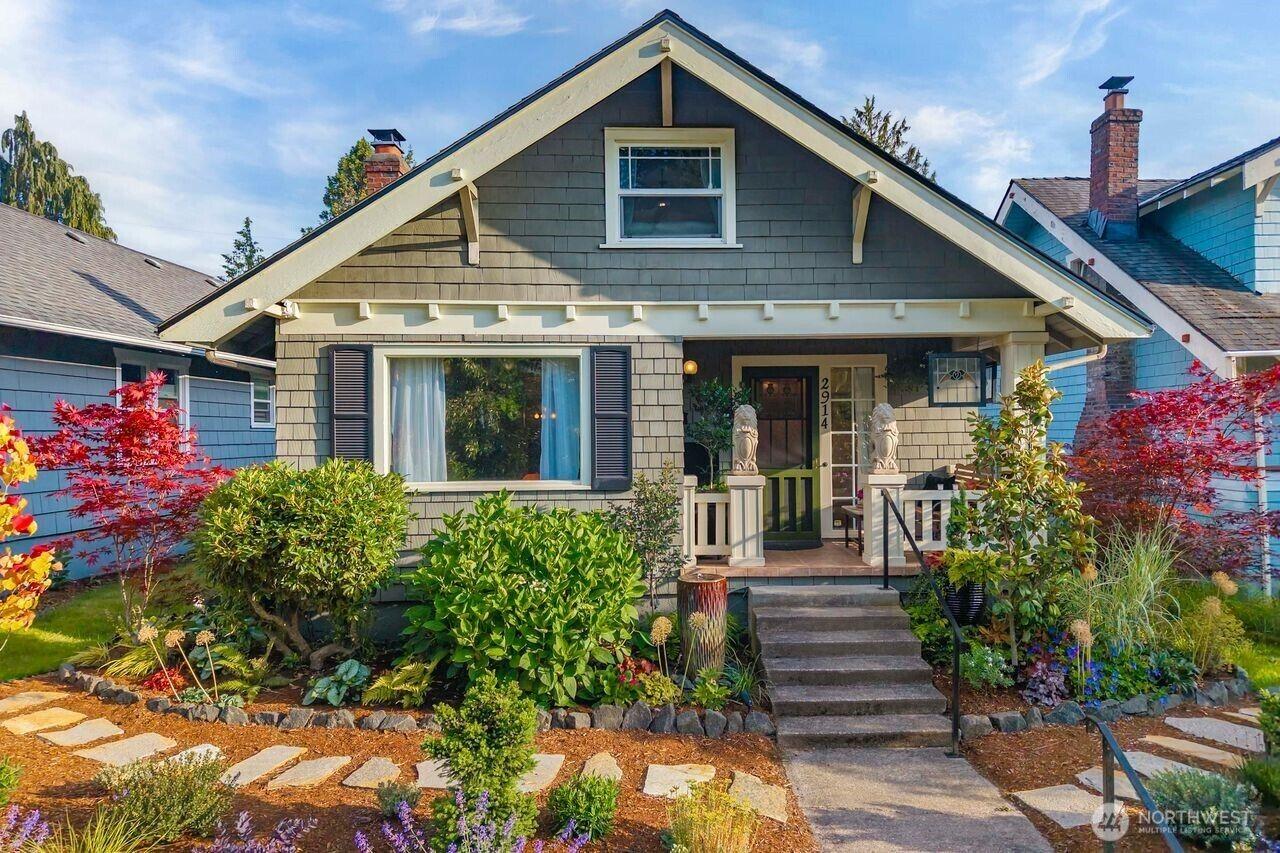
10. Every Tacoma Property Has Different Exterior Conditions
No two properties handle moisture, landscaping, and seasonal changes in exactly the same way.
A home surrounded by mature evergreen trees may experience more shade and leaf accumulation than a property with an open yard.
Older Tacoma homes may also have different foundation materials, siding details, and exterior transitions than newer construction.
Lot grading, drainage systems, and nearby structures can further influence conditions.
Understanding the specific characteristics of your property is more useful than assuming every home requires the same maintenance approach.
Conclusion: Pay Attention to Where Your Yard Meets Your Home
The transition between your yard and home may seem like a small part of the property, but it connects many important exterior features.
Landscaping, drainage, siding, walkways, and foundation edges all influence how moisture and debris accumulate around the structure.
For Tacoma and Puget Sound homeowners, paying attention to these areas throughout the year can support better exterior maintenance and help reduce conditions that encourage pest activity.
Sometimes effective pest prevention begins by taking a closer look at the places where your yard and home come together.
